
Curated Maximalism: Make Your Studio Feel Vibrant and Functional
Last updated By Maya Bennett
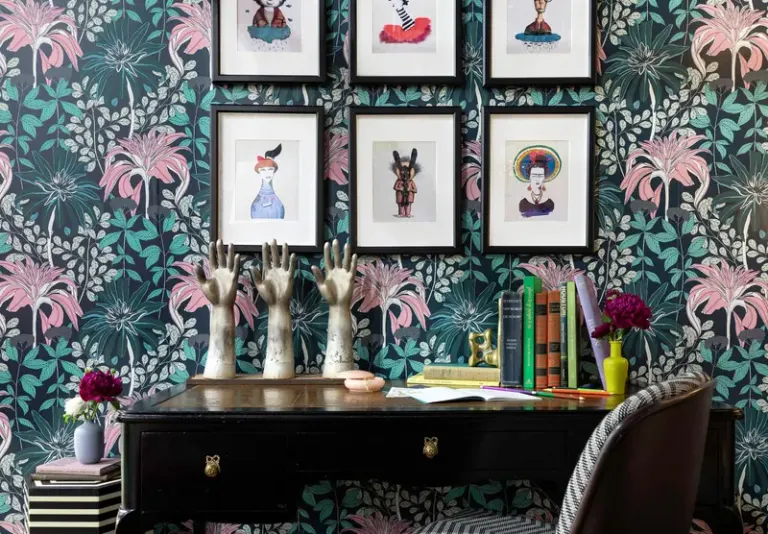
I'll be honest: when I first moved into my tiny apartment, I thought maximalism meant stuffing everything I loved into one room. Spoiler: it did not feel cozy. It felt chaotic. After months of moving things around, donating the "maybe" pile, and learning to edit, curate, and arrange with intention, my place finally started to feel abundant and useful at the same time. This post is what actually stuck from those experiments.
Key takeaways
- What Curated Maximalism Really Means in a Tiny Home
- Plan, Edit, Repeat: The Secret to Controlled Abundance
- Smart Furniture and Storage That Feel Intentional, Not Cluttered
- Layering Color, Pattern, and Texture for a Cozy Maximalist Look
In the sections ahead I'll show you how to make a compact footprint feel layered and joyful while still working day to day. We'll cover five things I wish I'd known sooner: what curated maximalism actually means, practical planning and editing, furniture and storage that save space, how to layer color, pattern and texture, and simple routines to keep the look intentional. Expect honest tips, realistic layouts, and hands-on fixes that respect small-space limits while letting your personality shine. If you want a home that feels full of life rather than full of stuff, keep reading. I learned most of this by doing, and then fixing, my own mistakes.
What Curated Maximalism Really Means in a Tiny Home
I used to think maximalism was an excuse to hoard. Curated maximalism is different. It's about choosing lots of meaningful things and arranging them so each object has a purpose, a place, and a little personality. In a small space that matters more than anywhere else, because every item is competing for real estate.
This approach solves two common tiny-home problems: feeling cluttered and feeling sterile. With a few rules about scale, rhythm, and cohesion, a room can read as intentional instead of accidental. It's not about filling every inch. It's about creating layers and focal points that work together while leaving room to move and live.
Later I'll get into the practical side: how to decide what stays, where pieces need breathing room, and how to combine function with joy. Think of this as the design mindset you'll use when planning layouts, choosing furniture, and keeping the look over time.
What is curated maximalism
Curated maximalism keeps the personality and warmth of a maximalist home but trims the excess that makes a small place feel cramped. For me that meant learning to love abundance in layers rather than plastering every surface. It's about selecting many things so the whole reads as deliberate, not accidental. The result is collected and lively, not chaotic.
Think of your space like a tiny gallery with pockets of display and functional zones that quietly tuck away what you don't want on show. In practice that means choosing a couple of statement anchors - a bold rug, a sculptural lamp, or patterned curtains - then building smaller groupings around them so each cluster can breathe. I learned this after stacking my first living room with every souvenir and photo I owned. Once I pared things down into purposeful vignettes, each object mattered and the whole room relaxed.
Curated maximalism also relies on scale and rhythm. Mixing big and small items prevents visual overload. A large framed print beside three small ceramics feels deliberate. Repeat texture and color across the room so your eye can travel instead of getting stuck. I stick to two or three main tones and let accents change with the seasons to keep variety without chaos.
Practical rules to start with
- Anchor first. Pick one or two bold elements per room and arrange everything else to support them.
- Edit by function. Keep daily essentials accessible; store or rotate less-used pieces. I keep a rotation box for decor I love but don't want out all the time.
- Create clear boundaries. Decide which surfaces are for display and which are for work or storage. Nightstands and kitchen counters deserve strict limits.
- Group with intention. Display objects in odd numbers and varied heights so they read curated, not accidental.
- Use hidden storage generously. Baskets, ottomans with lids, and closed shelving let you show texture and color without exposing clutter.
Small spaces reward restraint in placement, not in personality. Curated maximalism lets you keep what you love, but you have to edit where it matters. The homes I've loved most let each object contribute to a story. When I arrange with that in mind, my tiny apartment feels alive instead of overwhelmed.
Plan, Edit, Repeat: The Secret to Controlled Abundance
I underestimated planning at first and paid for it with clutter. In a small space, a bit of planning goes a long way: map zones, check sight lines, and work out how many "moments" you can support without blocking circulation. Editing is deciding what to display, what to tuck away, and what to let go.
This matters because a maximalist look can collapse into chaos without rules. Set simple decision criteria: keep things you use weekly, things that tell a story, and things that fit the scale. Group objects into clusters like a reading nook, a coffee corner, or a display shelf. Use a floor plan or photos to test ideas before buying anything big.
Below you'll find editing exercises, a quick checklist for prioritizing belongings, and layout tips that preserve flow. Plan with intention so your abundance reads as curated, not crowded. Editing is the discipline that makes maximalism sustainable in a small home.
Start with a needs map
Before you move anything, write down how you actually use the room. Do you work from the couch, make coffee twice a day, host one friend a month? Sketch your morning routine, evening routine, and cleaning routine. Seeing real use makes it easier to prioritize what needs to be accessible and what can live tucked away. I put my desk in a "perfect" corner once and it never got used because the light was terrible.
Mock it out on the floor
Cut cardboard or use painter's tape to mark furniture footprints, door swings, the path to the bathroom, and where the sun hits in the morning. This cheap experiment prevents the "it looked smaller on paper" mistake. Aim for 24 to 30 inches for main walkways where possible, and about 18 inches between seating and a coffee table so you can set a drink down without performing a yoga move. I once taped a couch to the wall and discovered it blocked the radiator. That tape saved me hours of moving heavy furniture.
Edit in purposeful passes
Editing works best in stages. First pass: remove anything broken, duplicate, or unused for six months. Second pass: group like with like and stage one surface at a time, like the top of a bookcase or the entry table. Leave negative space around groupings so items can breathe. Third pass: photograph the room and live with it for a week. Photos reveal clutter hotspots your eye ignores. If something still bugs you after a week, box it up.
Practical decision rules
Create quick heuristics to speed choices. A few that helped me: if it doesn't serve at least one daily function or spark real joy, it goes. Limit visible surfaces by setting a display budget (pick a number of items per shelf or table and stick to it). Adopt a one-in, one-out rule for decorative objects. These rules stop sentiment from taking over.
Keep editing part of life
Make it low-effort. Schedule a 15-minute weekly tidy for one zone. At the end of each season reassess larger items and rotate decor. Small, frequent edits preserve the curated feel without dramatic purges. Aim for a living system that adapts, not a one-time purge that falls apart after a party.
Smart Furniture and Storage That Feel Intentional, Not Cluttered
Multifunctional furniture saved my sanity. In a tiny home every piece must earn its place. Think convertible, vertical, and hidden. A sofa with storage, a bed with drawers, or a narrow console that doubles as a desk gives you surface and storage without adding visual noise. Scale matters, so pick pieces that fit the sightlines and leave breathing space around them.
Storage isn't just about boxes. It's about making things accessible and attractive. Use tall shelving to free floor space, shallow wall cabinets for entryways, and open baskets for textiles so things stay visible but tidy. When storage pieces are cohesive in color or material they feel like part of the design, not an afterthought. Prioritize modular systems that adapt over time instead of single-purpose bulky solutions.
Below I'll share specific furniture suggestions, placement ideas, and storage hacks that worked for my tiny layouts. You'll get rules of thumb for dimensions, tips on where to invest versus thrift, and simple custom solutions that maximize every cubic inch while keeping the room intentional.
Multipurpose pieces that actually live well
I stopped buying single-use furniture. Every piece has to earn its square footage. Daybeds or twin-length sofas that act as seating by day and a proper bed at night are lifesavers. Look for beds with built-in drawers or add risers to create under-bed bin space for off-season clothes and bulky bedding. A narrow console in my entry became the perfect catch-all for keys, mail, and sunglasses without blocking flow.
When choosing seating, favor slim silhouettes with exposed legs. They read lighter and show the floor, which tricks the eye into more space. Avoid overstuffed, low-slung sofas unless you have a solid storage plan. I swapped a chunky armchair for a compact slipper chair and the room suddenly felt like it could breathe.
Vertical and modular storage you can live with
Treat walls as usable real estate. Install modular shelving or a ladder-style bookcase that reaches upward. For books and framed art pick shelves about 10 to 12 inches deep. For baskets, thick cookbooks, or pantry items choose deeper modules, roughly 14 to 16 inches. Space shelves so you can stack items without them feeling jammed; 12 to 15 inches between shelves works for most uses.
Mix open display with a few closed compartments to avoid visual mess. I keep two shelves for favorite objects and one cabinet door to hide chargers and papers. Pegboards, rails, and a row of hooks in the kitchen or behind an entry door turn vertical walls into functional, decorative storage. If you use a tall bookcase as a room divider, anchor it so it won't tip.
Smart buying and daily reality checks
Measure everything. I learned the hard way that a great-looking sofa wouldn't fit up my stairs. Measure doorways, stair turns, and elevator clearances before ordering. Choose pieces that are easy to move (modular sofas, pieces on casters, or units that break down) so you can reconfigure for guests or cleaning.
Think about day-to-day use. A drop-leaf table or a wall-mounted fold-down desk saved me from eating on the bed and doubled as a workspace. Rolling carts are lifesavers for kitchen overflow and make great portable serving surfaces when friends stop by.
Plan for maintenance. Systems that look pretty but are impossible to tidy become clutter magnets. Keep a predictable place for daily items, invest in shallow trays and small lidded boxes for drawers, and commit to a five-minute nightly reset. The right furniture plus simple habits keeps curated maximalism intentional rather than frazzled.
Layering Color, Pattern, and Texture for a Cozy Maximalist Look
I learned the hard way that too many competing patterns make a small room feel frantic. The trick is to anchor the space with a cohesive color story, then introduce patterns and textures in scaled layers. Start with a dominant hue for big surfaces, add a complementary secondary color, and use pattern sparingly so the eye can move through the room.
Texture creates depth without taking up space. Rugs, throws, woven baskets, ceramic vases, and layered pillows give the tactile richness that photos and mood boards often miss. Vary pattern scale: one large-scale print, one medium, and one small accent works better than several mid-sized prints all fighting for attention. Keep some neutral breathing room so the layers feel intentional instead of chaotic.
Below I'll share palettes that translate well in small footprints, examples of pattern mixing that read cohesive, and swap-out strategies to refresh the look without overcommitting. These techniques let you enjoy an exuberant, colorful home that still feels calm and livable every day.
Start with a restrained palette
Pick one dominant color, one secondary color, and a small accent. The dominant color covers larger surfaces (walls, big furniture). The secondary color appears in mid-sized elements (rugs, curtains). Use the accent sparingly (pillows, small ceramics). Limiting the palette keeps maximalism readable. If you love many colors, tie them together by repeating a neutral or a single accent across the room.
Use pattern scale to avoid visual noise
Mix three pattern scales: one large, one medium, one small.
- Large: an oversized rug or a bold upholstered chair.
- Medium: curtains, a throw, or a smaller rug near seating.
- Small: pillows, a lampshade, or framed prints. This rule prevents patterns from fighting. I follow it now; when I didn’t, the room felt like a collage gone wrong.
Layer texture deliberately
Think from the ground up. Start with the rug, add upholstery, then throws and pillows, finishing with small tactile accessories.
- Floor: low-pile or flatweave rugs keep a small room feeling open.
- Seating: mix smooth leather or linen with a bouclé or knit throw.
- Accents: ceramics, woven baskets, and matte metals add contrast. Texture hides life. A textured sofa or a chunky knit throw forgives daily wear and makes a space feel lived-in, not fragile.
Anchor busy areas with calm zones
If you have a bold pattern like floral wallpaper or a large rug, keep adjacent surfaces calmer. Solid curtains, a painted wall, or a single-color sofa give the eye a place to rest. I wallpapered an entire corner once and realized my eyes needed a break. Balance matters more than matching everything.
Practical swaps and maintenance
- Start small. Swap pillow covers and a throw before committing to large purchases.
- Collect swatches and tape them to walls to test in morning and evening light. Photograph the arrangement to judge it at different times.
- Choose washable or replaceable soft goods. In a tiny home things get used, so removable covers save you from stress.
- Rotate one element seasonally. A new pillow cover and a different throw refresh the room without adding more stuff.
Layering color, pattern, and texture should feel curated, not chaotic. Use clear rules, repeat colors, and let texture do the heavy lifting. The result reads intentional, personal, and livable - even in the smallest footprint.
Styling, Maintenance, and Routines That Keep It Fresh
My embarrassing truth: styling looks great for a day, then real life happens. The secret to sustained curated maximalism is simple routines and containment systems. Short five-minute resets, weekly surface clears, and seasonal edits keep the energy upbeat without turning upkeep into a chore. When everything has a place, styling becomes a quick, rewarding ritual rather than an endless battle.
Small spaces show disorder fast. Implement habits like a nightly clear of counters, a catchall tray by the door, and a rotating display shelf so you can refresh items without creating clutter. Use containers and labels for hidden storage so you can retrieve and return things with ease. Treat styling as part of living, not as a separate project.
Below are realistic routines, quick styling tips for guests, and simple systems to store seasonal items. These checklists and low-effort rituals help your curated maximalist home enhance your life instead of complicating it.
Daily rituals that keep styling effortless
Small habits prevent design fatigue. Each morning I straighten one vignette while my coffee brews. Two minutes and the surfaces stay intentional. Pick two micro-tasks you can do daily, such as fluffing cushions or folding a throw. Keep a shallow tray or small bowl near the door for loose items so keys, sunglasses, and receipts don’t migrate across the apartment and wreck your styling.
Weekly and monthly maintenance that actually fits life
Once a week do a 20 to 30 minute styling check. Walk through the room and remove anything that doesn't belong in its zone. Wipe down surfaces where dust shows on decorative objects. Launder pillow covers or swap them with a backup set every few weeks so textures look fresh. Monthly, photograph your main rooms and note three things that feel off. Photos reveal balance problems you miss in daily life. Set a calendar reminder and treat it like any other appointment so the look doesn't slowly slip.
Seasonal rotation and storage strategies
Decide on two or three swap windows per year. At each swap rotate a handful of accent pieces, change a throw, and replace one wall grouping. Store off-season or surplus decor in labeled, stackable bins so you can pull items quickly without rifling. Keep a short inventory list taped to the lid. When you unpack a box, try a 48 hour rule: if you don't find the perfect place for an item within 48 hours, it goes back into storage. That rule stopped me from stuffing shelves with "maybe" pieces.
Quick fixes for guests and last-minute styling
Have a guest-ready kit: a folded throw, two extra pillows, a small tray for drinks, and a candle or diffuser. When guests arrive, swap the kit into your living area and toss clutter into a single laundry basket for later sorting. For instant polish, level frames and tweak heights so groupings read deliberate. A lint roller on standby does wonders on textured sofas and rugs.
Repair, replenish, and rethink
Schedule minor repairs and replacements. Replace burnt bulbs, tighten loose knobs, and fix a chipped frame before small problems become eyesores. Keep a tiny drawer with essentials: spare hooks, picture-hanging wire, fabric-safe cleaner, and a stain stick. Finally, do a two-minute inventory at the end of each season. Ask if every visible item still earns its place. The edits you delay are the hardest. Do them quickly and with compassion. That keeps the curated look alive without making your life harder.
What to Remember
Curated maximalism in a small home is about intentional abundance, not visual chaos. Anchor a room with one or two bold elements, plan and edit before you buy, choose multifunctional furniture and vertical storage, and layer color, pattern, and texture at different scales so each item can breathe. Make upkeep realistic with short daily and weekly rituals so your space stays lively, not overwhelmed.
Start with one practical step. Measure a room and tape out a couch footprint, or pick your anchor piece and edit one shelf down to your display budget. Try a one-week experiment: practice one-in, one-out and a nightly two-minute reset. If you want, share a before and after photo in the comments or tag me on social so I can cheer you on. It won't be perfect. Start small, keep editing, and let your tiny home become a place that feels abundant, functional, and undeniably yours.
Related product reviews
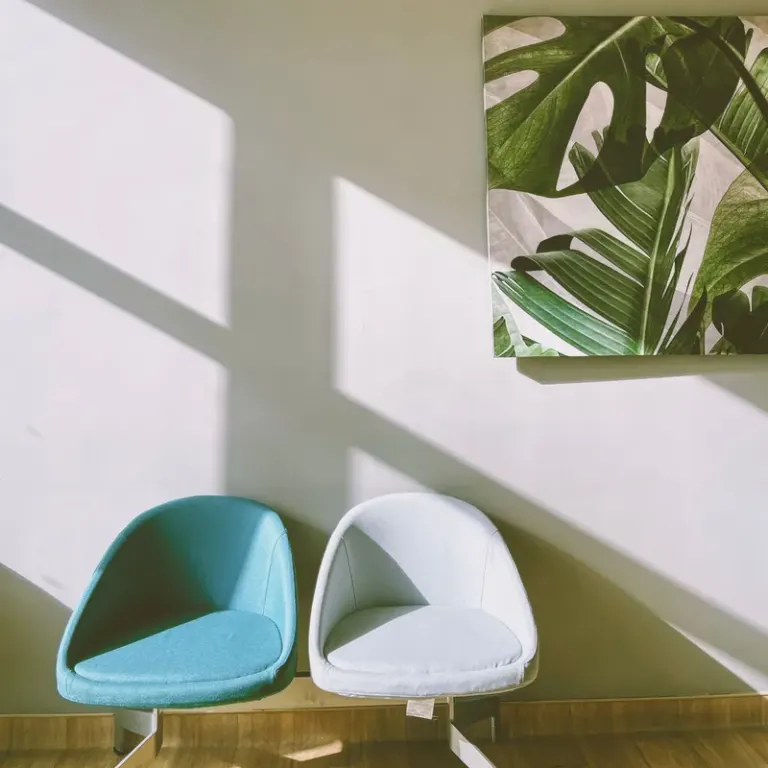
Best Acoustic Art Panels with Shelving for Small Space
Discover acoustic art panels with built-in shelving for small space - absorb echoes, reclaim floor space, and stylishly display plants, books, and tech gear.
Read more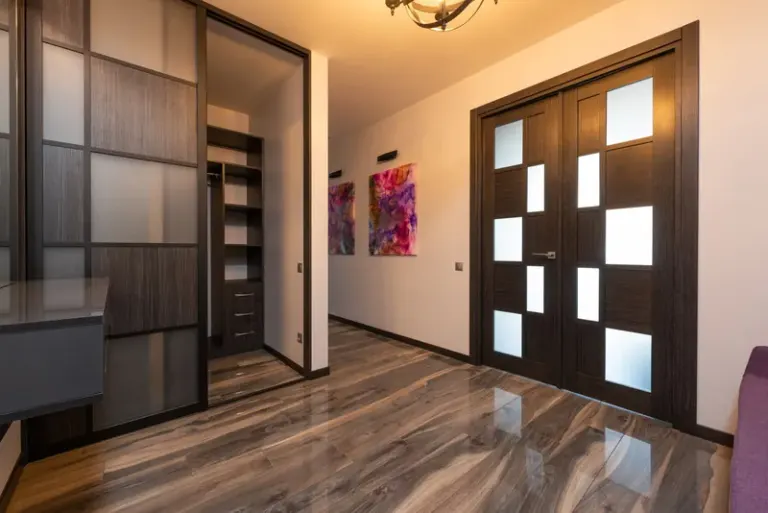
Best Mirrored Sliding Doors with Integrated Art for Small Spaces
Discover space-saving mirrored sliding doors with integrated art that open your small space, hide clutter, add style, and unlock multifunctional rooms.
Read more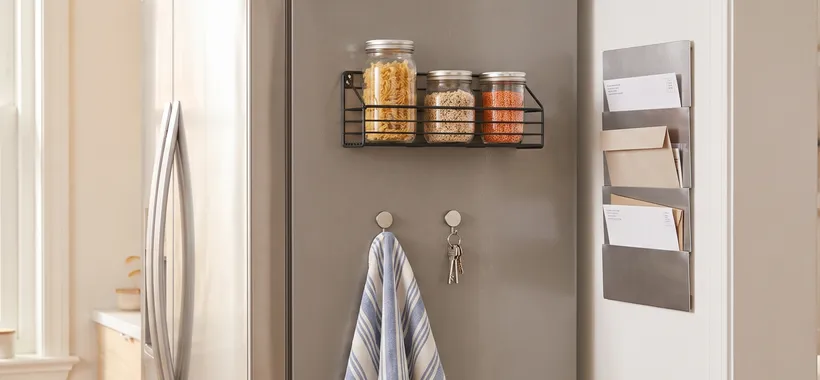
Best Magnetic Modular Storage for Small Space Living
Match magnetic shelves, file pockets, wall panels, and hooks to the metal surface you actually have. Five picks for kitchen, office, entryway, and hanging jobs, plus what a weight rating really holds and what to measure first.
Read more