
DIY Fold-Away Wall-Mounted Workbench: Maximize Workspace in Your Studio
Last updated By Maya Bennett
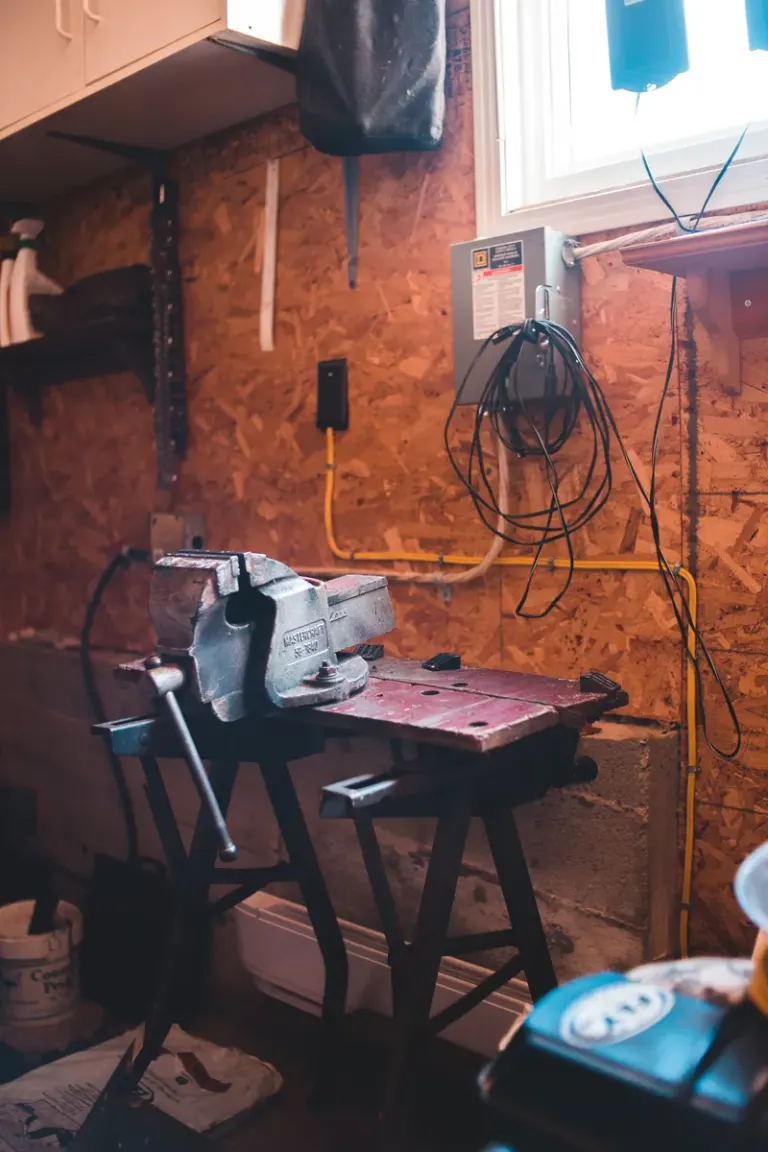
Title: DIY Fold-Away Workbench for Micro-Apartments
Description: Transform a tiny apartment with a wall-mounted fold-away workbench, plans, materials, tools, build steps, mounting tips, and smart storage ideas.
Key takeaways
- Why a Fold-Away Workbench is a Game Changer
- Designing for Small Spaces: Measurements That Work
- Materials and Tools: What to Buy and What to Borrow
- Build and Install: Step-by-Step Without the Mystery
Before I moved into a 300 square foot studio, my "workbench" was the kitchen table. Laptop, crafts, dinner - all on the same surface, all at once. It was messy, stressful, and every little project felt like bargaining for space. When I finally installed a slim wall-mounted fold-away workbench, it changed how I live and work. It gives me a real surface when I need one, and then it disappears against the wall when I don't. That switch from constant clutter to a neat, tucked-away surface is what drove me to write these plans.
This post is a practical, no-nonsense guide to building a fold-away workbench that works in tiny homes, apartments, and even vans. I walk through five areas: why fold-away, design and measurements, materials and tools, build and install, and storage and maintenance. Expect real measurements, trade-offs that actually matter, tips for tricky walls, and storage ideas that keep things within reach. Whether you like weekend DIY, rent your place, or need furniture that pulls double duty, this intro will get you ready for the build. Reclaim the floor without losing a usable, durable workspace.
Why a Fold-Away Workbench is a Game Changer
Have you ever tripped over a half-finished project because there was nowhere to put it? That was my life before the bench. In small spaces, furniture that disappears isn't a luxury, it's survival. Mounting a bench on the wall turns dead vertical real estate into on-demand workspace, and that frees up the floor for living, sleeping, and not bumping into things.
This matters because small places demand multi-use solutions. A fold-away bench can be a laptop desk, hobby table, meal prep surface, or assembly station. It creates a boundary between tasks without carving up the room. For renters or people who move often, something removable and easy to reinstall keeps options open while still being genuinely useful.
There are trade-offs. Some fold-away systems are super slim but can’t hold much. Others stick out more than you expect when folded. I’ll show you which compromises are worth making depending on whether you need to support a sewing machine, a laptop, or some light woodworking. The goal: help you pick a setup that fits your day-to-day, not just looks good in photos.
This section sets the tone for the details that follow. Know what you want the bench to do, and that will steer your choices on size, mounting, and hardware.
Why I chose fold-away
Living small forces choices. I wanted a legitimate surface that didn’t live in the middle of everything. The fold-away bench gave me both: a full-size workspace when I need it, and nearly nothing when I don't. More floor, less visual noise, fewer awkward negotiations about where dinner happens. It felt like reclaiming a room, even if it’s the same square footage.
Practical, real-world benefits
A fold-away bench changed how the rest of my place functions. I use mine for laptop work, hobby projects, and meal prep when I host. Because it tucks away, I don’t have to clear it every evening. That saved me time and a surprising amount of low-grade stress. Cleaning is easier too. Moving a chair and vacuuming is way quicker than shifting a whole table.
It’s versatile. On weekdays it’s low for seated work. On weekends I flip it up, clamp something down, and suddenly I’ve got a stable workspace. If you share space, it keeps tools and small messes off the floor and out of sight, which matters more than you think.
Lessons from living with one
Design for what you actually do, not what sounds cool. Measure your seated elbow height and use that as a guide. Mock up the depth with a temporary shelf before you cut plywood. Keep the tools you use every day within arm’s reach so you don’t have to set up from scratch each time. Add a simple latch or magnetic catch so it doesn’t unfold when someone walks by.
I tested an 18 inch deep shelf at chair height for a week before committing. It saved me from rebuilding later.
Quick practical wins:
- Mount working height to your seated elbow height minus 2 inches for comfort.
- Start with 16 to 20 inch depth for multi-use work; go deeper only if you really need it.
- Use shallow vertical storage beside the bench for the tools you use daily so everything stays handy when it’s folded down and invisible when folded up.
A fold-away bench isn’t a gimmick. It’s a deliberate trade-off: less permanent furniture footprint for more usable, focused work time. Get the proportions right and you’ll wonder why you didn’t do it sooner.
Designing for Small Spaces: Measurements That Work
Good design starts with honest measurements. Micro-apartments don’t forgive guesswork. Measure the available wall width, the elbow room you need, and the clearance both folded and unfolded. A comfortable desk depth is around 20 to 24 inches, but in tight spots you can get by with 16 inches if you plan for compact storage above and beside the bench.
Height matters more than people expect. Standard desk height sits around 28 to 30 inches. If you switch between sitting and standing, consider a taller bench or pair the bench with a tall stool. Measure legroom and watch for baseboards or heaters that might block clearance. Also plan for the swing of the folding supports so doors, cabinets, and radiators don't collide when you open the bench.
Load planning should drive your hinge and support choices. A lightweight bench for laptop work needs modest brackets. If you plan to use clamps, light power tools, or mount a sewing machine, pick stronger supports and deeper anchoring into studs. Sketch a simple elevation and top-down view and mark stud spacing, outlets, and anything else that affects mounting.
Take your time here. Good measurements prevent surprises during install and make the bench feel like it belongs.
Sizing the work surface
Pick proportions based on what you do. I settled on a 48 inch wide top: wide enough for a laptop and a small project, narrow enough to fit between shelves. Typical widths that work well in tiny homes: 36 inches (very compact), 48 inches (balanced), 60 inches (roomier if you have the wall). Depth depends on use. For sewing or assembly go 20 to 24 inches. For laptops and paperwork, 14 to 18 inches keeps it unobtrusive. If you want to eat at it sometimes, lean toward the deeper side.
Height matters. Seat heights vary, so aim for a seated desk range of about 28 to 30 inches for standard chairs. If you plan to stand, 40 to 42 inches fits people of average height. If you need both, either compromise or add a separate tall ledge.
A useful trick: mock up the size with cardboard first. It cuts down the guesswork and avoids a costly rebuild.
Building for strength and comfort
Thickness and framing determine how solid the bench feels. A 3/4 inch plywood top with a 1x3 perimeter frame underneath gives a stiff, rattle-free surface. For heavier use add a 1x4 front rail and a center crossmember every 16 to 24 inches. If you want a heftier feel, glue a 3/4 inch solid edge to the front for a 1.5 inch comfort lip.
Edge comfort matters. Round the front edge a bit or add a soft bullnose. You’ll rest your forearms there. Small detail, big comfort.
Load targets. Design for at least 150 to 200 pounds distributed load for hobby woodworking or multiple devices. That means strong brackets, multiple studs, and a reinforcing cleat behind the top.
Clearances, mounting and hardware
Hinges and bracket choice determine the folded profile. A piano hinge gives perfect alignment across long spans. Two or three robust butt hinges work for shorter benches. For support, folding stay arms or telescoping brackets are common; pick hardware rated above your load target.
Mount into studs when you can. A horizontal cleat screwed to studs spreads the load. For a 48 inch bench I anchored into three studs and used 3 inch screws into the cleat. If baseboard interferes, set the cleat out from the wall with a 1/4 to 1/2 inch spacer so the top folds flat.
When folded, aim for a depth under 3 inches if practical. That keeps the profile slim and avoids collisions in narrow walkways. A small magnetic catch or simple latch keeps it closed when you walk by.
Practical note from living small: pick the features you’ll use every day. A comfortable shallow depth and a tiny shelf for essentials beats an oversized surface you never use.
Materials and Tools: What to Buy and What to Borrow
Choosing materials means balancing weight, durability, cost, and looks. Plywood is the sensible choice: stable and fairly light. Use 3/4 inch plywood (about 18 mm) or cabinet-grade plywood for a tidy finish without a lot of bulk. If you want a nicer visible top, consider a hardwood or butcher block. Avoid heavy particle board if your studs aren’t perfectly positioned.
Hardware choices affect performance and price. Heavy-duty folding brackets or a piano hinge with removable supports are common. Check rated weight capacities and choose hardware with a safety margin. For wall mounting, lag bolts into studs are best. If studs aren’t available, toggle bolts or masonry anchors are safer than relying on adhesives.
Tools are straightforward: a drill with bits, stud finder, level, circular saw or track saw for clean cuts, clamps, and a sander. A router is nice but not required. If you don’t own everything, borrow the circular saw and clamps. Invest in safety gear: eye protection, ear protection, and a dust mask for cutting plywood.
Later in the full write-up I include a parts list with brand suggestions, cheaper swaps, and tips for sourcing reclaimed wood so your bench can look high-end without costing a fortune.
Materials
- Work surface material. Plywood or a solid wood panel that fits your budget and look. If you want a hardwood finish later, build the structure from cheaper sheet goods and add a thin hardwood veneer or solid strip for the front edge.
- Framing and reinforcement lumber. Short boards to stiffen the underside and tie the top to the wall, cut from common dimensional lumber.
- Fasteners. Wood screws, machine screws for metal brackets, and finishing screws for trim. Use corrosion-resistant options if moisture is a factor.
- Wall hardware options. If you can modify walls, use heavy-duty anchors or through-fastening into framing. If you rent, pick removable anchors rated for shear loads or plan a non-invasive fallback.
- Closure and safety hardware. Small catches, a simple latch, or a magnetic catch to keep the bench folded. Add rubber bumpers to protect the wall and top when closed.
- Finish supplies. Wood glue, sandpaper from coarse to fine, stain or paint, and a clear topcoat for expected wear. Masking tape and a tack cloth make finishing neater.
- Optional storage add-ons. A pegboard sheet, small bins, magnetic strips, and a cup or tool caddy to keep daily items handy.
Essential tools and shop tips
- Measuring and layout. Tape measure, pencil, combination square, and a small level.
- Cutting and shaping. Circular saw or handsaw for sheet goods. Jigsaw for cutouts. A compact table saw helps with repeat rip cuts if you have it.
- Joining and finishing. Cordless drill/driver, countersink bit, and clamps. A random-orbit sander speeds finishing.
- Detail and comfort tools. Router with a roundover bit for a comfy front edge, or sand by hand. Utility knife and putty for tidy seams.
- Safety. Eye and ear protection, dust mask, and a drop cloth to keep your living area clean.
Practical tips from my small-space builds: have the big panel cut at the store to save apartment floor space. Work outside or on the balcony when you can, and vacuum as you go so dust doesn’t take over. For installs that need an extra set of hands, recruit a friend. The bench is much easier to align while someone steadies it. If you rent, favor reversible mounting or anchors that minimize patching later.
Build and Install: Step-by-Step Without the Mystery
Building a fold-away bench breaks into clear steps: cut the top, finish edges, mount supports, and secure to the wall. Do this methodically to avoid rookie mistakes like misaligned hinges or a wobbly surface. Cut the top to size and dry-fit all hardware before you finish the surface so you can confirm clearances and hinge placement.
Pre-drilling and pilot holes make life easier when joining hardware to plywood or mounting into studs. For wall installation, find and mark studs, then measure and double-check levels before drilling. Use carriage bolts or lag screws through the cleat and into studs for the strongest connection. If you must use anchors, follow weight limits and consider a reinforced cleat system to spread the load.
Installation goes faster with a helper. Holding the bench while securing the first fasteners ensures it’s flush and level. Adjust folding brackets so the bench stops level when opened. Add catches or childproof latches if you share space. Test with incremental loads rather than trusting rating numbers alone.
Below I walk through measured steps and include common mistakes I learned the hard way, like inadequate edge support and sloppy finishing, and how to fix them before you mount the final piece.
I built mine on a rainy Saturday, with the panel pre-cut and a friend helping during the awkward lift. The build is straightforward, but installation is where small-space sense matters. Follow these steps and your bench will go up fast and stay solid.
Prep and dry fit
Assemble the top and any underside framing on sawhorses first. Dry-fit hinges and supports without screws. Check that the bench clears baseboards, outlets, and trim when folded and open. Mark hinge lines on both the top and the wall cleat. Pre-drill holes for all fasteners to avoid splitting and to make the final install quicker.
Mounting the wall cleat
A full-length cleat or French cleat spreads load and makes leveling forgiving. Find studs with a stud finder and mark the cleat line with a level. Anchor the cleat into studs with long lag bolts and large washers when possible. Space screws at each stud or roughly every 16 inches. If studs aren’t where you need them, use heavy-duty toggles for hollow walls and sleeve or masonry anchors for concrete. Leave a small shim (1/8 to 1/4 inch) behind the cleat if baseboard will otherwise stop the top from folding flat.
Attaching the top and hardware
Bolt the hinges or piano hinge to the bench first, then lift into position and secure to the cleat. Two people makes this easy. Use countersunk screws for a flush connection. Install folding support brackets or stays per manufacturer instructions and test full travel. Adjust bracket stops so the folded profile is tight to the wall but not bowed. Add a simple latch or magnetic catch to hold the bench closed and small rubber bumpers to protect the wall and tabletop when folded.
Final checks and real-world tips
Load test gradually. Start with 25 to 50 pound increments and watch for movement in anchors or fasteners. If anything wiggles, reinforce the cleat with another screw into a stud or add a diagonal brace. Fill gaps with wood filler, sand, and finish with paint or topcoat to match your space. For renters, a removable French cleat gives a secure hold while making removal and patching easier later. Lastly, plan storage around the bench. A narrow tool caddy or peg strip beside the bench keeps everyday items reachable and stops the surface from turning into a permanent catch-all.
A solid install takes a little planning and a couple of hands. Do the checks, test the weight, and then enjoy a workspace that disappears when you don’t need it.
Smart Storage and Ongoing Care to Keep It Working
A fold-away bench is only as useful as its storage and maintenance. Adding vertical storage like pegboard, magnetic strips, shallow shelves, or hanging pouches above the bench turns a small footprint into a proper workshop. Put heavy items low and keep frequently used things at arm’s reach when the bench is open.
Cable and accessory management keeps the area tidy. Install a power strip with a quick switch, use Velcro straps for cords, and route cables along the wall to avoid pinch points when folding. A slim drawer or narrow shelf under the folded bench hides small supplies but keeps them handy.
Routine maintenance extends the bench’s life. Check fasteners and bracket hardware every few months, touch up finishes to prevent water or oil damage, and sand and recoat the top if it gets beat up. In humid places use moisture-resistant finishes and inspect anchors seasonally.
Below I give storage layouts, modular accessories, and a simple maintenance checklist. A bit of planning and a twice-yearly check keeps the bench solid and ready.
Daily habits that keep the bench useful
Small habits beat big overhauls. I clear the surface every evening. Not because the bench will break, but because a cleared surface means I’ll actually use it the next day. Keep a shallow tray or canvas caddy on the bench for the three or four items you use most. When you fold the bench, slide the caddy into a narrow shelf or hook it on a nearby peg. It takes 30 seconds and stops tools and junk from slowly turning the bench into another permanent table.
Wipe the top after messy projects. Use a damp cloth for dust and a mild cleaner for sticky residue. For butcher block or oil finishes, reapply mineral oil or maintenance oil every few months depending on use. For painted or laminated surfaces, use a non-abrasive cleaner and touch up chips with matching paint.
Monthly and seasonal maintenance
Once a month, do a quick inspection. Check hinge and bracket fasteners and tighten any loose screws. Look at anchor points for movement or gaps in the cleat. If you feel wobble, stop using the bench and reinforce the connection before adding weight. Lubricate metal hinges or folding stays with a little lubricant and wipe away excess so dust doesn’t stick.
Seasonally check for humidity effects. In humid months the wood might swell and the bench could bind. A light sanding on contact points and a new coat of finish on the edge usually fixes that. In very dry conditions small cracks can appear; fill them with matching wood filler and seal.
Smart storage that protects the bench
Design storage to avoid clutter landing on the surface. Vertical organizers are lifesavers. A magnetic strip for small metal tools, a narrow pegboard, or a slim rail with hanging bins keeps essentials accessible without sitting on the bench. Put soft silicone bumpers at wall contact points to prevent scuffs when folded. Store heavier tools on a separate low shelf so the bench stays for light-to-medium tasks.
If you need to move the bench, label hardware and tape the fasteners to the underside. A removable cleat makes detaching simple and keeps wall repairs minimal. Replace worn screws or anchors instead of reusing tired hardware.
A short maintenance checklist
- Wipe surface after each messy use.
- Monthly: tighten fasteners, lubricate hinges, inspect anchors.
- Every 3-6 months: reapply oil or finish to wood tops as needed.
- Seasonally: check for swelling, binding, or cracks and address promptly.
Those small routines kept my bench reliable for years. It stays out of sight and ready for work because maintenance is part of regular living, not an emergency.
Conclusion
A wall-mounted fold-away workbench gives you usable space when you need it and disappears when you don’t. Focus on fit over fancy finishes. Mock up the top with cardboard to confirm depth and height. Plan for a 150 to 200 pound distributed load if you expect clamps or light tools, and size your cleat, brackets, and anchors accordingly. Use 3/4 inch plywood for stiffness, add a front rail or rounded edge for comfort, and pick supports rated above your expected load. Keep the folded profile slim, under 3 inches if practical, and add a magnetic catch so it stays closed.
Next steps: measure the wall and locate studs. Get the plywood cut at the store so you only handle smaller pieces at home. Dry-fit hinges and supports on sawhorses, pre-drill holes, then mount the cleat level into studs or use quality toggles if you rent. Attach the top, adjust bracket stops, and load-test incrementally. After installation, set a maintenance rhythm: wipe the top after messy projects, tighten hardware monthly, lubricate hinges, and reapply oil or finish on wood tops every few months.
Go try a one-week cardboard mock-up this weekend. Order or cut the plywood once the fit feels right. If you get stuck, post a photo or ask a question. Small experiments saved me from expensive mistakes, and I want this to work for you the same way it worked for me. Reclaim that floor space and enjoy a workspace that fits your life.
Related product reviews

Best Fold-Down Wall-Mounted Picnic Tables for Small Space Living
Compare fold-down wall tables that free floor space on balconies, in RVs, or at campsites. Find sturdy, quick-set options for eating, working, or relaxing.
Read more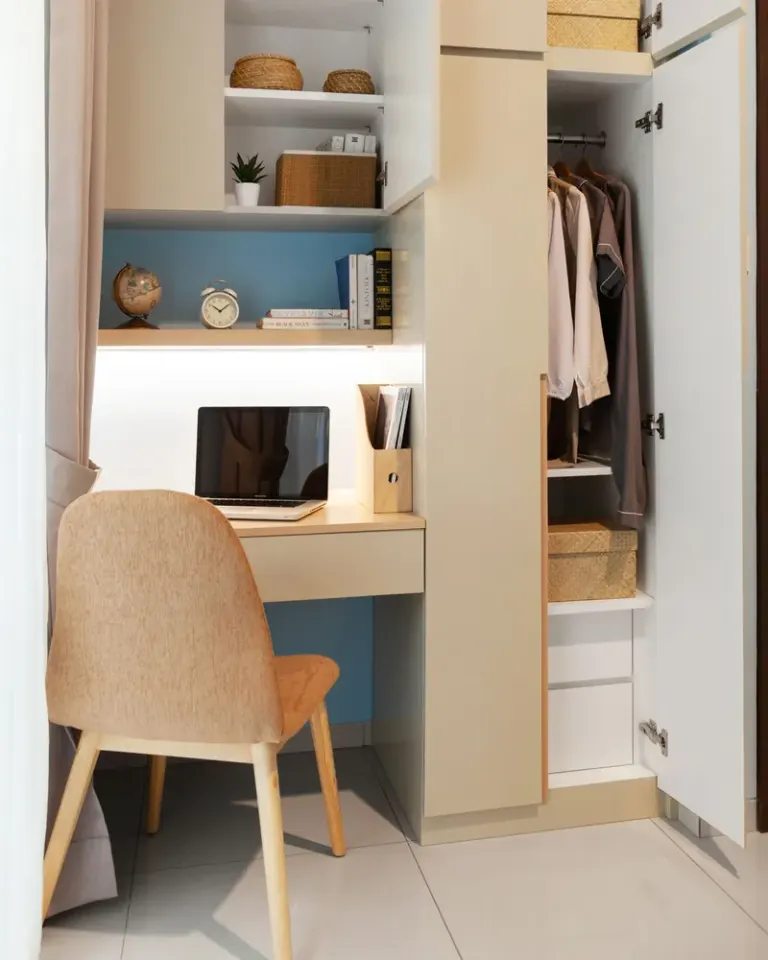
Best Fold-Away Closet Desks to Maximize Your Home
Discover bi-fold and fold-away closet desks that reclaim floor space, hide a home office in your home, with smart storage, cable management and easy setup.
Read more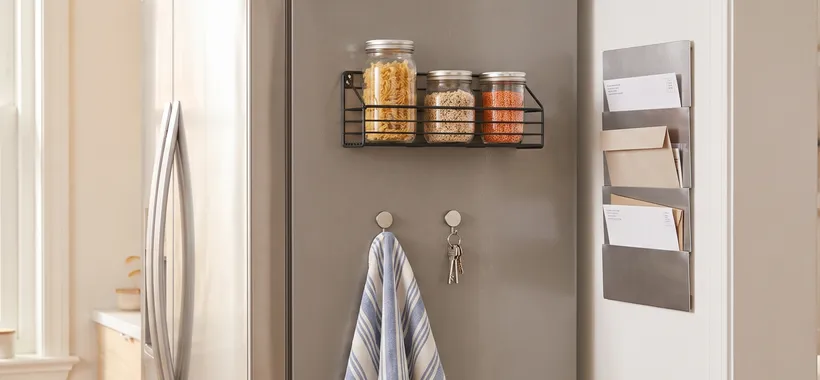
Best Magnetic Modular Storage for Small Space Living
Match magnetic shelves, file pockets, wall panels, and hooks to the metal surface you actually have. Five picks for kitchen, office, entryway, and hanging jobs, plus what a weight rating really holds and what to measure first.
Read more