
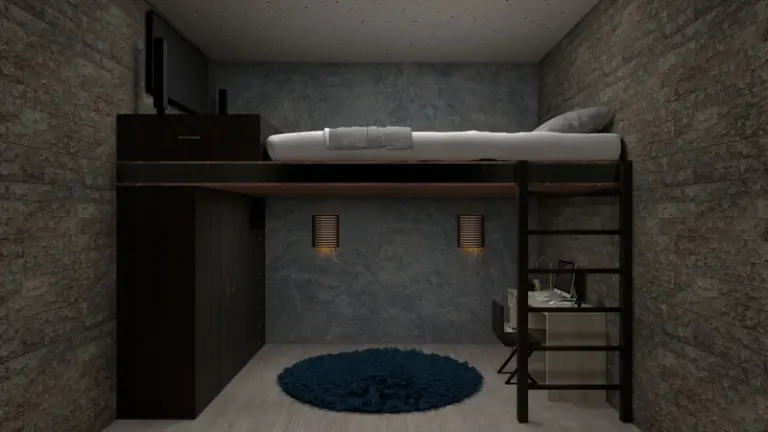
Small ceilings don't have to mean small possibilities. I still remember my first night in that tiny room: the mattress on the floor, boxes stacked like a cardboard fort around the edges. It was claustrophobic and not how I wanted to live long-term. Building a raised bed with hidden storage changed everything. Suddenly the room felt bigger, everything had a home, and getting in and out of bed stopped being an obstacle course.
Key takeaways
- Start Smart: Assessing and Planning for Low-Ceiling Builds
- Materials and Tools That Make This Project Work
- Build It Right: Step-by-Step Construction Overview
- Clever Storage Solutions to Maximize Every Inch
Below I’ll walk you through how to turn low ceilings into a useful sleep platform with storage that actually gets used. I’ll cover how to decide if a platform will work in your room, the materials and tools that make the build solid and affordable, a step-by-step construction plan, storage and organization tactics that work day-to-day, and safety and maintenance tips so this thing lasts. This is what worked for me after moving into compact living, not theory - real mistakes, fixes, and hacks included. Read on for the checklists and practical notes that make this a doable weekend project.
Start Smart: Assessing and Planning for Low-Ceiling Builds
If your ceiling barely clears an adult, start with a blunt, honest look at the room. Not every tiny space should get a raised platform. Rush in and you can end up with a bed that blocks a window, kills natural light, or makes the room feel like a coffin. I almost learned that the hard way. Before you cut wood, measure carefully and imagine how you'll sleep, get in and out, and move around doors, lights, and vents. Those things steer your design.
Planning is more than numbers. Think about how you sleep, whether you actually need to walk around the bed, and how much storage you truly want. Sketch a couple layouts to test different heights and orientations. Account for bedding clearance, a ladder or steps, and any radiators or vents. If you rent, check building codes and landlord rules. Get these basics right up front and you'll save time, money, and headaches.
Measure and mock up first
Draw the room in plan and elevation before you buy lumber. Measure ceiling height in several spots. Mark the mattress footprint and walkways on the floor with painter’s tape. I once built from memory and discovered an inch or two made a big difference when I tried to sit up. The two numbers that matter are platform height and mattress-top-to-ceiling clearance. Aim for 24 to 30 inches of headroom if you want to sit upright comfortably. If the ceiling is very low, accept a lower platform and plan to sit sideways or use floor cushions for reading.
Make a life-size mock-up. Stack boxes to the planned platform height and lie down on the mattress in different positions. Practice getting in and out. If you can, sleep a night on the mock-up. It’s the cheapest way to avoid regrets.
Structure and load planning
Treat the platform like a small floor. For most small rooms a ledger screwed into studs with perpendicular joists or sleepers works best. You can also build a freestanding box frame if you prefer. Use 3/4 inch plywood for the deck over 2x8 or 2x6 framing depending on span. If your platform will span long distances, double-check span tables or consult a pro.
Design for distributed load. Don’t only count your sleeping weight. Add mattress, storage, and movement. Plan to support several hundred pounds spread across the deck. Use good fasteners and blocking so drawers and hinged lids don’t wiggle loose after a few months. Spend a bit of time on joinery and blocking up front and you’ll avoid a creaky platform.
Storage layout and access
Decide whether you want drawers, sliding bins, or a lift-top. Drawers need frontal clearance and sturdy glides. A practical drawer depth for everyday clothing is 12 to 18 inches. Deeper drawers work for seasonal storage but are heavier and harder to reach. If you go with a lift-top, factor in gas struts or counterweights so the lid stays open safely and won’t crush fingers.
Sketch each storage compartment full-size on your mock-up. Think which items you use daily and which are archive-level. Put daily stuff near the mattress edge. Store seasonal or rarely used things in the deepest, hardest-to-reach cavities.
Safety and everyday use
Plan ventilation under the mattress to avoid moisture. Keep outlets accessible and relocate them if a drawer would block them. Add a low lip or simple guardrail if the platform is high enough to present a fall risk. Anchor tall items so they can’t tip in a tight space. Include removable access panels so you can reach wiring or plumbing later. A little forward thinking here saved me hours of future trouble.
Materials and Tools That Make This Project Work
Picking the right materials and tools decides whether the platform is sturdy, comfortable, and serviceable. In small rooms you want materials that balance strength, weight, and cost. I used construction-grade lumber and plywood for the frame, reinforced a few high-stress areas with metal brackets, and built drawer boxes from plywood with hardware-grade slides. If your room is damp or near a bathroom, pick materials that resist warping.
Tools depend on how hands-on you want to be and what you can borrow or rent. A circular saw, drill/driver, tape measure, and level will cover most of the work. If you can borrow a miter saw or table saw for big cuts, your fit will be cleaner. Community shops and rental centers make this doable on a budget. Clamps and a straightedge make a surprising difference, and an extra pair of hands is worth its weight in screws. Below I list what mattered most for me and a few budget alternatives.
Materials to buy and why they matter
Choose materials that balance weight, durability, and finish. For visible surfaces pick plywood with a smooth face or a furniture-grade panel so paint or stain goes on nicely. Use construction-grade lumber for internal framing where looks don’t matter. For drawer boxes, plywood or hardwood plywood resists sagging better than thin particleboard. Fasteners and glue are cheap insurance. Good wood screws, construction adhesive, and a few finishing nails make joints quiet and solid.
Think through hardware: full-extension drawer slides for clothes, sturdy hinges for lift lids, and gas struts if you want hands-free opening. Small things like catches, edge banding, and felt pads make daily life nicer.
Essential tools and rental options
You don’t need a full shop. A circular saw and a straightedge will cut most panels. Borrow or rent a miter saw or table saw for batch cuts if you can. A cordless drill and an impact driver are your workhorses. Add a jigsaw for cutouts and a random-orbit sander for smoothing edges. Clamps are underrated; get several long bar clamps and a few quick-release clamps. A good speed square, tape measure, and pencil beat fancy gadgets when you’re on a budget.
If you don’t own the tools, many home centers will rip plywood to width for a small fee or free. Rent a saw for a half day. Pocket-hole jigs help with fast, strong joinery but you can get by with screws, glue, and clamps.
Shop tips, workflow, and safety gear
Label every part as you cut it. Lay out the platform on the floor and dry-fit panels before you glue or screw anything. Pre-finish faces you can’t reach once the build is assembled, then do touch-ups after install. Countersink screws and use wood filler where appearance matters.
Protect yourself: eye protection, hearing protection, and a dust mask are non-negotiable. Keep a small fire extinguisher handy when using power tools in cramped spaces. Work in a ventilated area when gluing or finishing. Put down cardboard under your work to protect floors, keep a shop vacuum for dust, and have a small toolkit for on-site tweaks.
Build It Right: Step-by-Step Construction Overview
This is where plans turn into something you can sleep on. Break the build into stages: prepare and mock up, build the main frame, add decking and mattress support, then integrate storage. Each stage has a few checks to avoid the usual mistakes: uneven frames, squeaks, or poor ventilation. When I built mine, a staged checklist kept the project moving and saved me from backtracking.
Expect to work in tight quarters. That changes how you cut and assemble, and often means assembling panels flat on the floor before standing them up. I’ll share joinery choices that are forgiving for beginners, secure connections you can make without complicated hardware, and shortcuts that save time without compromising safety.
Prep and mock-up
Clear the room and mark the platform footprint with painter’s tape. Make a life-size cardboard mattress template so you can confirm placement against doors, windows, and that ceiling light you hate. Transfer stud locations to the wall. Cut and label your framing pieces before you start assembly. Labeling is a sanity-saver, especially when you’re working solo and things start to look like jigsaw pieces.
Build the frame on the floor
Assemble the outer box flat so you can check squareness. Use glue and 2.5 inch wood screws for primary joints, spacing screws about 8 to 10 inches along long members. Add internal joists or sleepers perpendicular to the long span and pre-drill your holes. Dry-fit drawer openings and lid cutouts so you know where blocking will be needed. Clamp while you screw to avoid gaps. If the final piece is narrow enough, make the box in two halves to make moving easier.
Anchor and raise
If you’re fastening to studs, install a ledger strip at the planned height and use long lag screws into the marked studs. Use a helper or a temporary jack or stacked boxes to hold the frame while you fasten it. Check level in two directions before you tighten everything up. If freestanding, shim and level the frame on the subfloor and secure it to floor framing if you can.
Decking and storage installation
Cut deck panels so seams land over joists. Pre-finish any faces that will be hard to reach later. Screw the deck down with 1.25 to 1.5 inch screws, countersinking each head. For drawers, install full-extension slides on the drawer box and matching rails in the opening, using 1.25 inch screws and a scrap spacer to keep rails aligned. For lift-tops, mount hinges and test with temporary props before you commit to gas struts. Gas struts need correctly measured mounting points or the lid will slam or drift.
Ventilation, trim, and safety checks
Cut small ventilation slots or drill a grid under the mattress area. Add a 1 inch toe-kick or a low guardrail if the platform height requires it. Apply edge banding or trim to visible plywood edges to stop splinters. Install drawer stops or catches so heavy bins won’t slide out unexpectedly.
Final test and tweaks
Do a load test. Have a friend sit and bounce gently while you listen for creaks. Cycle every drawer and lid dozens of times and tighten anything that moves. Sleep on the platform for a night before you stash valuables under it. Small tweaks now save you from midnight repair runs I’ve been on more than once.
Clever Storage Solutions to Maximize Every Inch
Hidden storage is why most of us build raised platforms. But poorly organized or hard-to-reach storage becomes wasted space. Treat storage as usable real estate: pull-out drawers and modular organizers let you see and reach items without emptying half the platform. In my tiny room I used full-width drawers for bulk items, shallow pull-outs for shoes and linens, and vertical slots for boards, brooms, and seasonal gear. The clutter vanished and daily routines got a lot easier.
Design storage around how often you use things. Put daily items in the easiest drawers, seasonal items deep inside, and heavy stuff near the strongest part of the frame. Below are ideas that actually make life easier, not just look good in photos.
Organize by frequency and function
Think in zones. Stop mixing everyday items with seasonal overflow. Put what you use daily in the shallowest, easiest-to-open drawers or nearest the mattress. Reserve the deepest cavities for out-of-season clothing, spare bedding, or luggage. My one rule: if I need it more than twice a month, it goes in easy reach.
Organize by function instead of by item type. Keep a grooming bin, a nightstand kit, and a tech drawer separate from outdoor gear or holiday decor. That way you don’t have to pull out half the platform when you just need socks.
Make access effortless
If you can’t reach it quickly, you’ll stop using it. Slide-out trays for shoes and baskets that pull like drawers are lifesavers. Put battery LED strips or tap lights inside deep compartments. Lighting alone turns a black hole into useful space.
Label drawer fronts or use clear-faced bins so you can find things at a glance. Keep heavy items toward the center of the platform where lifting is easiest and the frame is strongest.
Smart containers and inserts
Match container size to the task. Shallow trays for underwear and electronics, taller fabric bins for sweaters. Vacuum bags are great for bulky winter coats but add a moisture absorber when storing fabrics long-term. Use thin foam or adjustable dividers in drawers to stop small things turning into chaos.
Under-lid storage is underrated. Velcro pocket organizers on the underside of hinged lids keep chargers and manuals within reach but out of sight. Felt or rubber liners reduce noise and protect fragile items when drawers slide.
Quick checklist:
- Clear or labeled bins for visibility
- Low-profile dividers for small items
- Moisture packets or desiccants for textiles
- Battery LED lights for dark cavities
Maintain the system
Do a ten-minute tidy each month. Open each drawer, refold what went soft, and toss items you no longer use. Keep a simple inventory on your phone and update it when you swap seasonal gear. Systems fail when they grow messy. A tiny habit keeps everything usable.
Organization isn’t a one-time miracle. Start simple, test it for a month, then tweak. You’ll be surprised how much breathing room a few thoughtful choices create.
Safety, Finishing, and Maintenance to Keep It Working
Safety first, looks second. That means guard options for restless sleepers, secure fastenings to stop wobble, and ventilation to prevent mold. I once had a drawer catch pop loose after a few months of heavy use, so I reinforce moving parts and add fail-safes. Also check local regulations and your lease before you build.
Finishing touches reduce maintenance. Seal edges, use easy-to-clean liners, and include access panels. I keep a short maintenance checklist for seasonal inspections, tightening fasteners, and rebalancing drawers. Those small routines keep a platform reliable for years.
Safety checks and everyday precautions
Treat the platform like furniture that carries people and storage. Label the weight limit somewhere discreet but visible. Test moving parts on day one and again after a week. Drawers that drop out or lids that drift announce themselves quickly. Install simple mechanical stops and catches. They are cheap and prevent faceplants.
Think fire and electrical. Don’t block vents and avoid stuffing extension cords into tight drawers. If you add outlets or lighting, tuck junction boxes behind accessible panels so an electrician can reach them later. Keep smoke and CO detectors at the recommended heights. Consider pets and kids. My cat loved the under-platform crawlspace until she knocked over a stack of boxes; now there’s a small mesh gate and a labeled pet zone.
Finishing touches that last
Good finishing protects plywood edges and fastener heads from daily wear. Sand and seal edges to stop splinters. Prime before you paint and allow full cure between coats. Edge banding or a thin wood trim glued and sanded flush keeps plywood edges from chipping when drawers slide past them. Use a tougher topcoat on high-contact surfaces and sand lightly between coats for better adhesion.
Small details add big longevity: felt strips under drawer fronts to soften slams, rubber bumpers where lids meet the frame, and thin foam liners to prevent rattling. I oil metal slides once a year. Five minutes and most of the squeaks disappear.
Routine maintenance that saves headaches
Make a quarterly checklist: tighten visible screws, check drawer alignment, test gas struts and hinges, replace desiccant packets, vacuum under the deck, and inspect for moisture. If you hear a new creak, go find it. Creaks don’t go away on their own. For stubborn squeaks try powdered graphite or wax on mating wood surfaces.
Expect small repairs. A popped screw or a chipped trim strip is fixable with glue, filler, and clamps. Keep a maintenance kit with wood glue, a few matching screws, wood filler, sandpaper, a replacement stop, and spare desiccants. It saved me during an awkward delivery day when a hinge bracket failed and I had to jury-rig the lid until I replaced it.
A little attention each season keeps the platform feeling new. It’s less work than waiting for an emergency.
Turn that low ceiling into your most useful square footage yet
You’ve got what you need to make a raised bed with hidden storage actually work in a tiny room. Start with assessment and planning: measure ceiling height at several spots, tape out the mattress footprint, and mock up platform height with boxes to test getting in and out and mattress-top-to-ceiling clearance. Aim for 24 to 30 inches if you want to sit upright. Treat the platform like a small floor when planning structure and load. A ledger into studs plus joists or a freestanding box frame will keep things solid. Choose 3/4 inch plywood for decking, construction-grade lumber for framing, full-extension drawer slides for daily access, and gas struts for a lift-top you’ll enjoy using. Don’t forget ventilation under the mattress, access panels for wiring, and finishing to prevent splinters.
Be honest about trade-offs. With low ceilings you may need lower headroom or to sit sideways to read, but you’ll get back floor space and a calmer room. Drawers and slide-out trays beat deep, hard-to-reach voids for daily use. Lift lids are great for archive storage but need correct struts and strong hinge blocking. Safety matters: anchor to studs when possible, post a weight limit, keep electrical access simple, and add a low guard or toe-kick where fall risk exists. Small, regular maintenance-monthly tidies, quarterly tightening, replacing desiccants, and oiling slides-keeps this build from becoming a headache.
If you’re ready, here’s a simple next-step sequence. This weekend, measure and mock up. Check landlord rules and local codes. Print or sketch the plan and tool list, then buy or rent the essentials: circular saw, drill/driver, clamps, and a speed square. Pre-finish panels you can’t reach later, build the frame flat on the floor, fasten to a ledger or shim for freestanding install, then add decking and install slides or hinges. Do a load test and sleep one night on the mock-up before committing to the full installation. Keep a small maintenance kit handy.
Ready to reclaim that floor and breathe again? Tape out your mattress tonight, take a photo, and post a question or before-and-after in the comments. If you build it, share your photos. Seeing the transformation is the best part and helps the next person taking the same leap into compact living.
Related product reviews
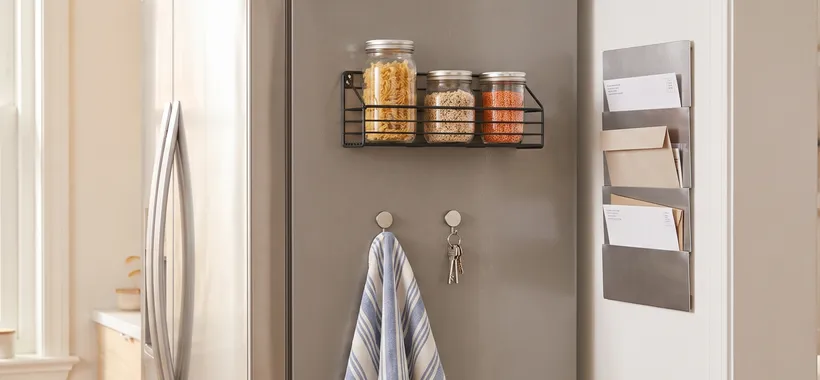
Best Magnetic Modular Storage for Small Space Living
Match magnetic shelves, file pockets, wall panels, and hooks to the metal surface you actually have. Five picks for kitchen, office, entryway, and hanging jobs, plus what a weight rating really holds and what to measure first.
Read more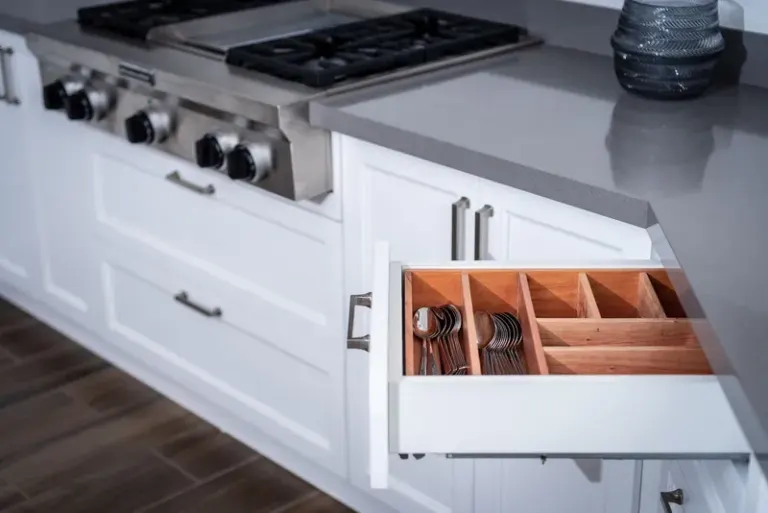
Best Under-Cabinet Charging Drawers for Small Spaces
Find under-cabinet retractable charging drawers that free counter space, hide cords and safely charge devices for small space studios, tiny homes and apartments
Read more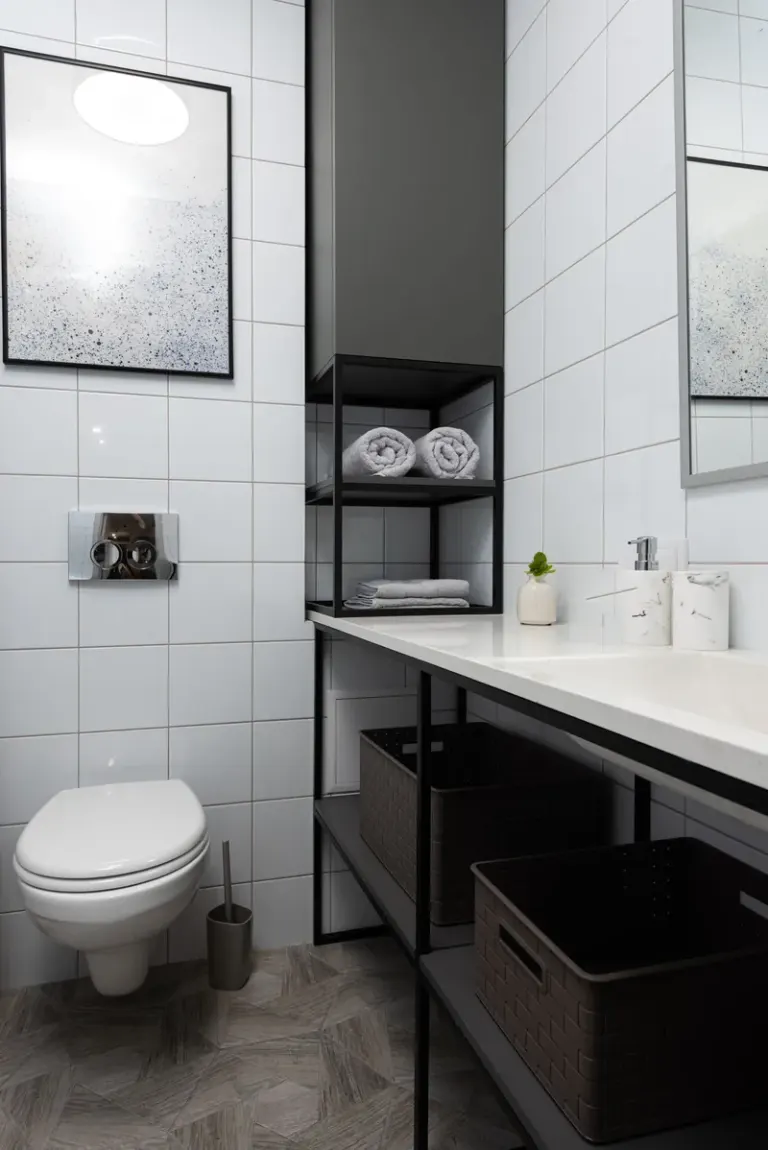
Best Fold-Flat Over-Toilet Storage for Small Spaces
Discover compact fold-flat over-toilet storage solutions that free floor space, organize towels and toiletries, and maximize clearance in your small space.
Read more