
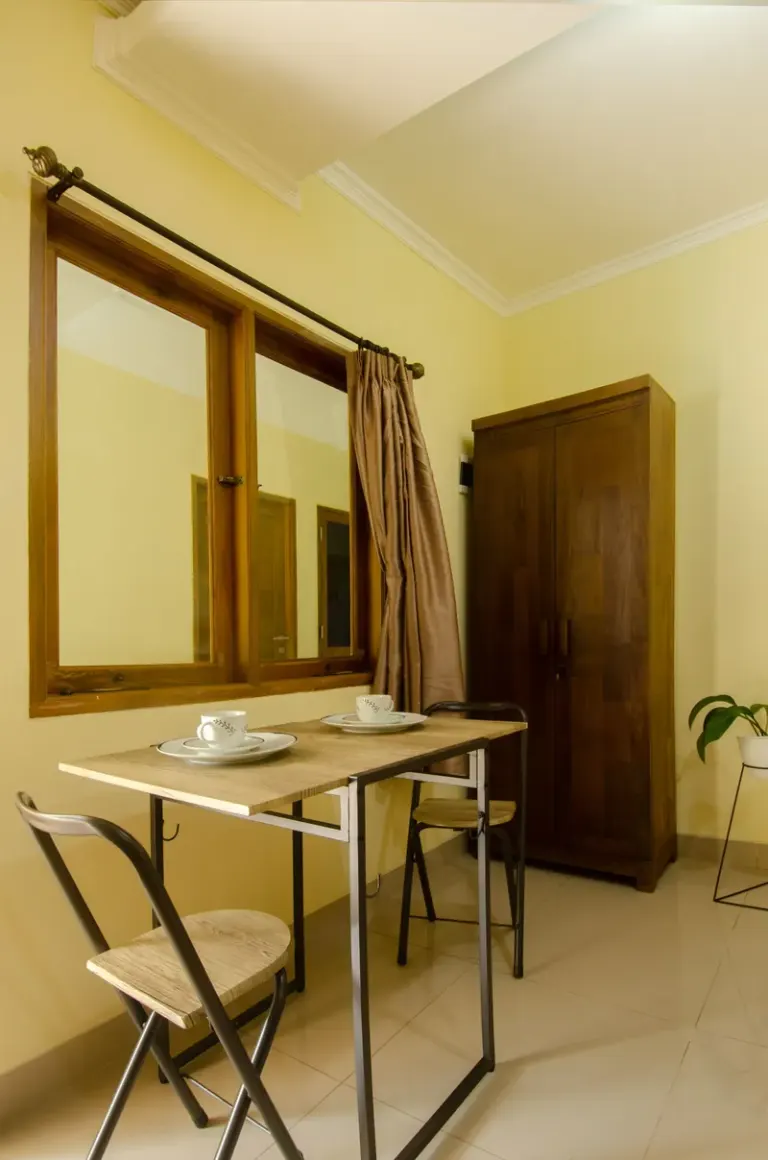
I still get a little thrill when I fold a table down and suddenly reclaim a room. That tiny win of creating breathing space, then snapping it back into a productive station, is exactly why foldaway dining that also serves as a workspace is such a joy in tiny homes, studios, and vans.
Key takeaways
- Measure Once, Enjoy Forever: Planning and Measurements for a Foldaway Zone
- Choose a Style That Works: Design Options for Dual-Purpose Tables
- Secure and Simple: Installation and Hardware Essentials
- Make It More Than a Table: Multifunction Features to Maximize Use
If you want a practical plan you can actually use, I’ve got you. I’ll walk you through planning and measurements, design options, installation and hardware, multifunction features, and styling plus maintenance. Expect hands-on tips, layout ideas, and DIY-ready guidance so you can make the most of every inch without giving up comfort or style.
Measure Once, Enjoy Forever: Planning and Measurements for a Foldaway Zone
The first time I taped out a fold-down table on my kitchen floor, it felt like a tiny, cheap prototype that saved me a lot of grief. That cardboard mockup caught clearance problems I never would have seen on paper and stopped me from cutting wood that would have ended up in the burn pile. Good planning and accurate measurements are where a foldaway solution lives or dies.
Why this matters. Small spaces don’t forgive mistakes. You need to know seated and standing clearances, door swings, traffic paths, and how thick and far your tabletop will sit when folded. Think about ergonomics and how whoever uses the table will actually sit, eat, and type. Get those basics wrong and you’ll have a frustrating piece of furniture.
What to expect next. Below I’ll show how to take the right measurements, make quick templates, and account for knee space, chair storage, and other clearances. I’ll also show easy mockup tricks with tape and cardboard and give rules of thumb for comfortable dining and working dimensions so your finished build actually fits your life.
Measure the realities, not the idea of the space
Start with a tape measure, but don’t stop there. Note widths and heights where the table will live, and then hunt for obstacles: baseboards, radiators, light switches, outlets, window sills, and trim that might interfere when the table is folded or open. Measure from the finished floor to the center of any studs you plan to use. If you want wall-hung brackets, mark stud centers at 16 inch intervals and confirm them with a stud finder. If you don’t have studs where you need them, plan for heavy-duty anchors and cut back on your load expectations.
Table heights and clearances that work
Decide if this is more of a dining table or a desk, or genuinely both. For a compromise that works well for both, aim for 28 to 30 inches high. That fits most dining chairs and many desk chairs. Allow 10 to 12 inches of knee clearance from the underside of the tabletop to the top of the seat. Depth matters: a one-person workspace can be 24 to 30 inches deep. If two people will sit side-by-side for meals, plan 36 to 48 inches of width. Give about 24 to 30 inches behind chairs so people can pull out and sit comfortably. In tiny studios you can push those numbers a bit tighter, but expect less comfort.
Mock up before you cut wood
Cut a cardboard template to the tabletop dimensions and tape it to the wall at the height you plan to use. Sit down, slide a chair underneath, put a laptop or plates on it, and get someone else to test the dining layout. This is the cheapest way to catch awkward clearances and fix them before you buy lumber. If you’re planning a drop-leaf or folding leg, mock the hinge placement with a thin strip so you can watch how the leg will swing. I once spent an afternoon moving a template three inches to the left and saved myself a month of regret.
Structural and hardware notes
Estimate the total loaded weight of the tabletop plus whatever you’ll put on it - laptop, books, a couple plates - then double that for safety. DIY tabletops typically weigh 20 to 40 pounds depending on size and material, so choose brackets and hinges rated above your worst-case load. Mount into studs when you can. If you must use anchors, pick ones rated for shear loads rather than just pull-out. Account for baseboard thickness by using spacers behind the bottom hinge so the folded top sits flush. Sketch where screws, hinge plates, and any support legs will land and pre-drill holes. A little planning now saves late-night runs to the hardware store.
Choose a Style That Works: Design Options for Dual-Purpose Tables
When I first sketched a combined dining-and-work table I stopped trying to make the space fit a preconceived table. Once I let the space drive the design, options opened up: wall-mounted flip-downs, drop-leafs with folding legs, corner pivots, and bookshelf fronts that fold into desks. Pick a form that matches how you live, not just what looks tidy in a catalog.
Why design matters. Different mechanisms suit different routines. A slim flip-top is perfect for occasional laptop work. A hinged folding table with storage makes more sense if you eat and work at the same spot every day. The right choice affects comfort, longevity, and how easily the table disappears when it’s not in use.
What you will get from the full section. I’ll sketch out practical design families, material choices, and space-specific ideas for tiny homes, apartments, and vans. You’ll get tabletop size guidelines, support options, edge treatments for comfort, and quick comparisons so you can pick something that balances function, durability, and style.
Types of foldaway tables to consider
Pick the basic action first. The mechanism changes what the table can do and how it feels.
- Flip-down (horizontal hinge along the wall). Great when you want a wide surface that tucks flat against the wall. Works well as a dining and laptop station for one or two people.
- Drop-leaf with folding legs. Classic and flexible. The leaf drops and is supported by swing-out legs or a folding bracket, which makes hosting guests simple and stowing easy.
- Pivot or corner table. A triangular top that swings out from a corner. Perfect for ultra-tight footprints and single-person use.
- Shelf-to-table conversions. A bookshelf or cabinet front that folds down into a desktop. Storage and a hidden workspace in one unit.
- Extendable leaf systems. A small fixed top with a hidden leaf that slides out or unfolds when you need an extra diner.
- Bench-integrated tables. A hinged bench seat or back that flips up to become a tabletop, with stools tucked under when the table is stowed.
Materials and finishing choices that work in small spaces
Material affects weight, durability, and the look. Plywood with a hardwood veneer is a lightweight, sturdy go-to. Solid reclaimed boards add character but weigh more. Laminate or painted MDF is tough and easy to clean, which is great where food and laptops coexist.
Finishing tips. Use edge banding or round over the edges for safety in narrow walkways. A wipe-on oil gives a warm, forgiving surface; for heavy dining use pick a durable clear coat that resists coffee rings and laptop heat marks.
Practical multifunction features
Think beyond the top. Small, built-in touches make the table behave like a real workstation and dining zone.
- An underside cable channel and a small mounted power strip for easy charging.
- A shallow drawer or a magnetic strip for cutlery, pens, or chargers.
- A folding monitor shelf or a shallow pegboard on the wall behind the table.
- Hooks or cup holders under the top for folding chairs, placemats, or mugs.
Quick DIY builds and hacks
A simple flip-down is a weekend project. Six-step quick build:
- Cut the tabletop to size and finish the edges.
- Attach a continuous piano hinge or a strong strap hinge to the back edge.
- Fit a folding bracket or a homemade 2x2 swing leg to support the top when down.
- Install a bumper or clip so the folded top sits flush against the wall.
- Mount a cable grommet and a small power strip under the top.
- Test the load and tweak hinge stops or shims as needed.
Hacks I love. Use reclaimed drawer runners to hide a sliding leaf. Repurpose an old shelf bracket as a decorative support. Add felt pads where chairs slide to protect finishes. Those little tricks make a cheap build feel intentional.
Secure and Simple: Installation and Hardware Essentials
My early builds taught me to respect hardware. Cheap hinges and undersized fasteners turned a neat idea into a shaky, unsafe shelf. The right mounting approach and decent hardware make a foldaway table reliable every time you fold and unfold it.
Why installation details matter. Even a smart design can fail if it’s mounted on weak studs, uses the wrong hinge, or lacks proper support. You need a plan for anchoring into solid backing, choosing the right hinge type, and sizing screws and bolts for the expected load. Stability, safety, and feel all come down to these choices.
What the section will cover. I’ll walk step-by-step through mounting strategies, recommended hardware, weight calculations, and troubleshooting sagging or wobble. Expect clear guidance on reinforcing anchor points, choosing gas struts versus support brackets, and finishing touches that make the motion smooth and secure.
Get the right mounting strategy for your wall type
Treat the wall as part of the system, not just a place to screw things. For wood-stud walls run screws into the centers of at least two studs spaced across the table width. If the table spans more than two studs, add a horizontal 3/4 inch plywood ledger anchored to studs first to spread the load. That makes future removals easier too.
If you have plaster or hollow walls without studs in the right spot, mount a plywood block to nearby studs and fasten your hardware into that, or use through-bolts or rivet nuts that put the load path through the wall. For masonry, drill and use anchors rated for shear loads and seal the holes to keep moisture out.
Use stainless or corrosion-resistant fasteners in kitchens, bathrooms, and vans. In mobile builds, use lock nuts and a threadlocker. True story: I once stopped a camper table from working loose by swapping plain nuts for nylon-insert lock nuts. The rattling stopped overnight.
Pick hardware that matches function and weight
Match the mechanism to how you live. A continuous piano hinge spreads the load and resists twist on wider tops. Heavy-duty folding brackets with positive locking points give the cleanest feel for dining loads. For frequent open-and-close, friction stays or gas struts make the motion controlled and gentle. If you want removable supports, use quick-release pins or carriage bolts with washers so the legs come off without tools.
Screw length matters. Aim for at least 1.5 inches of screw penetration into wood studs or structural backing. Use wider washers or backing plates under bracket flanges to stop screw heads from pulling through thin plywood tops. If you’re mounting to metal studs, use self-drilling screws for metal or install rivet nuts to accept proper machine bolts.
Installation steps and practical checks
- Install a test ledger or template at the final height and check clearances with a chair and a laptop. Adjust now, not later.
- Mount the backing (plywood or cleat) to studs, using a level. Pre-drill pilot holes sized for the fastener shank to avoid splitting.
- Temporarily attach the hinge or bracket assembly and check that the tabletop sits flush and level when dropped. Shim behind the lower hinge if baseboards push it out.
- Fasten all screws hand-tight, then torque them evenly. Don’t overtighten and strip drywall or squeeze metal brackets flat.
- Add stops or bumpers so the folded top sits flat against the wall. Install removable supports with clear indexing so they lock securely each time.
- Load-test incrementally: try 25 percent of the expected max, then 50 percent, then full load. Inspect fasteners after the first week and retighten if needed.
A tidy final touch is to cap visible hardware with paintable covers or small wooden plugs so the build looks intentional. Proper mounting turns a clever idea into a reliable piece of daily furniture.
Make It More Than a Table: Multifunction Features to Maximize Use
I love adding small built-ins that surprise you, like a hidden charging strip or a bench that folds into a bookshelf. Those extras turn a table into a multi-tool for tight footprints and they usually cost a lot less than the space they save. Thinking about multifunction early saves headaches later.
Why multifunction features matter. When a dining surface also stores kitchen items, houses a workstation, and conceals gear, you cut clutter and increase usable square footage. Integrated storage, power, adjustable features, and convertible seating reduce the need for duplicate furniture and make the area actually useful.
What you will see in the full guide. I’ll go through practical add-ons like removable work surfaces, fold-out lighting, cable management, storage under the table, and ways to make the surface shift smoothly between dining and focused work. The goal is to prioritize features that matter for your routine and budget.
Multifunction features make a foldaway table feel alive. Small inserts, clever hinges, and a few rails let the table adapt to the day’s job.
Convertible surfaces
Give the top more than one job. A reversible tabletop is simple and delightful: glue and clamp two thin panels back-to-back, one face hardwood veneer for dining and the other a chalkboard or writeable white surface for lists. Hang the whole top on a removable French cleat so you can flip it or lift it off when you want a change. For a cleaner swap, rout a shallow channel and inset thin panels that slide out like picture-frame inserts. Seal the edges so moisture from dishes doesn’t creep between layers.
Adaptive seating and hidden storage
Make seating do double duty. Build a short lockable cubby under the folded top with a shallow front hatch on piano hinges and a finger-pull recess. Store folding stools, cushions, or table linens. Use a simple stay or friction hinge so the hatch holds open while you load or unload. Keep the cubby shallow so it doesn’t add bulk to the folded profile.
Integrated lighting and privacy
Good light makes a workspace usable. Mount a small swing-arm lamp or an adjustable LED puck under a shelf above the table. Hardwire it to a switch or use a rechargeable lamp with a discreet charging bay. For privacy or to dampen sound, attach a slim fold-up panel covered in acoustic felt to the wall above the table. Secure it with piano hinges so it swings down into a semi-enclosed nook for focused work and tucks flat for dining.
Swap-in task inserts and clamp-on kit
Make the surface adaptable with inserts and clamps. Cut a flush slot that accepts a hardwood cutting board insert, a silicone hot pad, or a cushioned wrist rest. Fasten small T-track rails under the tabletop edge so clamp-on accessories (tablet holder, drink clamp, mini-lamp) locate to the same place every time. Aluminum T-track and matching clamps give a pro feel without complex joinery.
Quick project idea. Build a reversible top on a French cleat:
- Prepare two 3/8 inch panels and finish each face.
- Glue and clamp them together or join with a hidden spline.
- Mount a half-cleat to the wall and a matching cleat on the back of the tabletop.
- Add two locating dowels so the top seats the same way every time.
It’s a weekend build that flips function instantly.
Small Touches, Big Impact: Styling and Maintenance for Foldaway Tables
One quick lesson came from staining a tabletop that never saw sunlight: finishes matter. Pick the right surface, edge treatment, and hardware finish and your table will look purposeful and be much easier to live with. Styling and a few simple maintenance habits are the quiet workhorses of a build that lasts.
Why styling and maintenance matter. In compact living furniture gets heavy daily use and there’s little room for wear. Durable finishes, easy-clean materials, and cohesive styling help the foldaway piece blend in while standing up to spills, laptop heat, and constant folding. Regular maintenance keeps mechanisms smooth and prevents small issues from becoming safety problems.
What I will cover next. Below are finish and material recommendations for different budgets, quick maintenance routines for hinges and supports, and styling tips to make the foldaway read as built-in. You’ll get practical advice on protecting the top, swapping cosmetic covers, and seasonal care that preserves function and beauty.
Styling tips that make it feel built-in and intentional
Treat the foldaway zone like a built-in feature, not an afterthought. Pick two accent colors and a neutral base so the table reads as part of the room. A narrow shelf above the folded top plants the eye and gives you a place for a small lamp, a framed print, or a slim plant. Use textiles to soften edges: a runner that folds with the table or thin seat cushions that live in the underside cubby. Keep patterns small; loud prints take over in tight spaces.
Small, consistent details sell the look. Match the hardware finish to other metal in the room (light fixtures, cabinet pulls). Use low-profile placemats or a leather desk blotter that doubles for dining. Magnetic clips or a slim rail under the shelf give a tidy place for notes and napkins. One small tabletop accent, like a ceramic tray for keys, keeps the area feeling lived-in instead of staged.
Daily care and cleaning that keeps surfaces happy
Be specific with cleaners. For solid wood, wipe with a slightly damp cloth and then dry with a lint-free cloth. Avoid ammonia-based cleaners and bleach. For painted or laminate tops, a gentle dish soap solution handles most spills; rinse and dry immediately. For oil finishes, refresh once a year with a light rub of oil to restore water resistance. Use coasters for hot mugs and trivets for pans. Little habits make a big difference.
Keep crumbs out of hinges. A small handheld vacuum or a quick blast of compressed air makes the mechanism feel cared for. Store a microfiber cloth and the right cleaner in a drawer or hanging pouch so cleanup is always one reach away.
Preventive maintenance and quick fixes you can do yourself
Check fit and feel every few months. Tighten visible screws and hinge bolts. If a hinge squeaks, a drop of light machine oil or silicone spray at the pivot usually fixes it. For tiny surface scratches, rub a walnut or use a colored wax stick to blend the mark. Deeper gouges need light sanding and a spot recoat.
If the folded top sits proud of the wall or rubs in one spot, glue in a small wooden shim to correct alignment. For laminate chips, a little colored epoxy or a two-part filler hides damage neatly. Keep a small repair kit with a touch-up stick, clear finish, and a soft cloth. Most problems are weekend projects, not replacements.
Small rituals pay off: wipe spills right away, tighten fasteners seasonally, oil squeaky pivots, and stow cushions after use. Those tiny acts keep the table feeling new.
What This Means for You
You’ve got the map: plan and measure carefully so the table fits real life, pick a design that matches how you live (flip-down, drop-leaf, corner, or shelf-to-table), respect installation and hardware so the build is stable, add multifunction features so the surface works harder, and finish with styling and maintenance so it lasts.
Practical next steps for a weekend build:
- Measure and mock up with tape or cardboard.
- Choose a mechanism and source a piano hinge or folding bracket and a small sheet of plywood.
- Try the six-step quick flip-down or make a reversible top on a French cleat.
- Mount into studs or install a plywood ledger, then load-test incrementally.
- If you want multifunction right away, add a cable grommet and a shallow cubby under the folded top.
Use these rules of thumb: 28 to 30 inches for a combined dining/desk height, 10 to 12 inches knee clearance, and 24 to 30 inches behind chairs if you can. Pick hardware rated above your worst-case load: a piano hinge or heavy folding brackets for wide tops, and a ledger backed into studs for secure mounting. Those small upfront choices save hours and keep your build reliable.
Keep maintenance part of your routine. Wipe surfaces after meals, tighten visible fasteners seasonally, oil pivots, and touch up scratches with a walnut or wax stick. Little fixes like a shim for a rubbing spot, a dab of epoxy for a laminate chip, or swapping in lock nuts for mobile builds turn annoyances into weekend wins. Match hardware finishes, add a slim shelf above the folded top, and stow cushions in the cubby so the table reads like built-in furniture.
Now go make a small victory. Start with a taped template, build a simple flip-down, or glue up a reversible top on a French cleat. Snap a photo of your mockup or finished table and ask if you hit a snag. I want to hear which design you chose and how it changed your space. Reclaim the room and enjoy the satisfaction of optimizing every inch yourself.
Related product reviews

Best Fold-Down Wall-Mounted Picnic Tables for Small Space Living
Compare fold-down wall tables that free floor space on balconies, in RVs, or at campsites. Find sturdy, quick-set options for eating, working, or relaxing.
Read more
Best Fold-Down Balcony Bistro Sets for Small Space Living
Compare fold-down bistro sets that free up narrow balcony space in your small space. Get installation tips, pros & cons, and pick durable, weather-ready options.
Read more