
Title: Minimalism with Memory: Sentimental Items in Tiny Homes Description: Balance minimalism and memory: practical strategies to curate, display, and store sentimental items in tiny homes without clutter or regret.
Key takeaways
- Why We Keep What We Keep: The Psychology of Attachment
- A Practical Decision Framework for Sentimental Stuff
- Smart Storage and Thoughtful Displays That Save Space
- Rituals to Curate Sentiment Without Regret
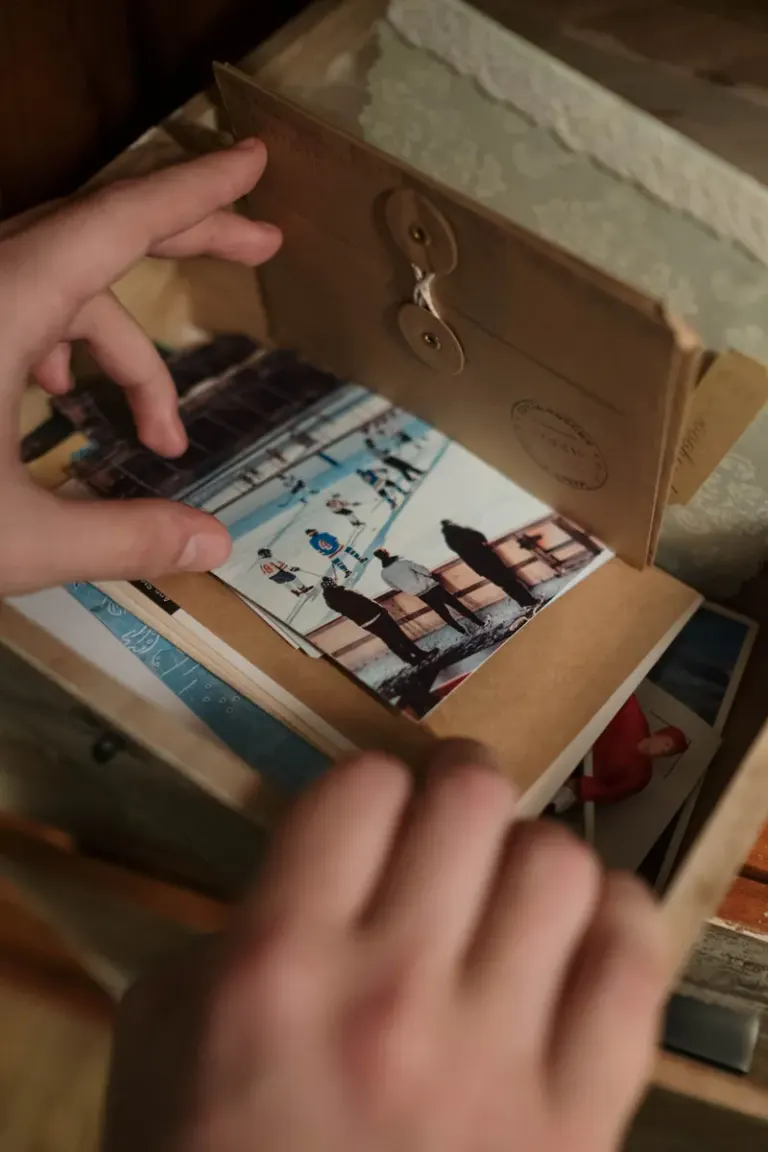
So, confession time. I have a box of ticket stubs shoved under my bed. Every time I open it I get this warm little rush and, not gonna lie, a tiny twinge of guilt. Living tiny sharpens that feeling. With limited square footage, every object is vying for attention. That makes choices about sentimental stuff less abstract and more immediate. It also feels freeing: you get to choose which memories stay physical and which you turn into lighter, smarter forms.
This post is a practical, compassionate guide to balancing minimalism and memory in a tiny home. We'll cover why you form attachments, a clear decision framework for what to keep, space-saving storage and display ideas, simple rituals to prevent future clutter, and emotional maintenance tactics so your memories stay honored without taking over. Expect hands-on tips, mental shortcuts that actually work, and systems you can use in a camper van, studio, or tiny house. Ready to make room for what matters without drowning in keepsakes? Let’s get into it.
Why We Keep What We Keep: The Psychology of Attachment
Sentimental things rarely feel like "stuff" until you try to remove them. A concert wristband, a chipped mug, or a crayon-covered school project can instantly pull a whole scene into your head. Those objects act like anchors for memory. If you see keepsakes as memory scaffolding rather than anonymous clutter, you can handle them intentionally instead of feeling guilty every time you tidy.
This section digs into why attachment happens and how limited space intensifies it. We'll touch on nostalgia, identity maintenance, and the cognitive quirks that keep items around-things like the endowment effect, the sunk cost trap, and nostalgia’s tendency to smooth over the rough parts. Once you can name the mechanics, letting go feels less personal and more practical.
Psychology of attachment
Our brains are wired to link objects with experiences. That little object becomes a shortcut to a scene, a person, or a feeling. So when you think about getting rid of it, it can feel like erasing part of yourself. Be honest with that. That honesty makes decisions kinder and clearer.
Most sentimental objects serve one of three emotional roles:
- Anchors. They trigger a specific memory when you see them.
- Identity props. They tell a story about who you were or who you want to be.
- Grief objects. They help you sit with loss, uncertainty, or unfinished transitions.
Each role needs a different response. Grief objects often call for a ritual and time. Identity props can sometimes be updated or replaced. Anchors are prime candidates for digitization or a representative token.
A few cognitive quirks get in the way. The endowment effect makes you overvalue what you own. Nostalgia paints the past nicer than it was. Sunk-cost thinking traps you with items you once invested in. Call these things out when they show up. Naming them cuts their power.
Try this quick 10-minute audit:
- Pause and name the feeling the item brings up. Joy? Guilt? Obligation? Pride? Comfort? Saying it out loud slows the automatic reach.
- Rate the intensity on a 1 to 5 scale. If it’s a 1 or 2, it probably lives better without you. If it’s a 5, ask whether you need the object or just the memory.
- Ask the future-self question. Will this matter in two years, or is it tied to a chapter you’ve already closed?
- Do the substitution test. Could a photo, a single token, or a short story capture the memory without the bulk?
- If you decide to keep it, give it a clear boundary. One box, one shelf, or one digital folder keeps sentimentals from swallowing your space.
One trick I use: tell the object's story out loud. If you can narrate the memory clearly without holding the item, its gravitational pull loosens. The memory stays, the object can go.
Letting go isn't about being ruthless. It's about choosing which memories you want living with you in physical form. Yes, you can still laugh at yourself for keeping that concert bracelet from 2009. Minimalism with feeling means keeping what fuels you and building systems so sentiment doesn't become clutter.
A Practical Decision Framework for Sentimental Stuff
You don't need a moral test. You need a short, repeatable set of criteria that respects your memories and your limited square footage. This framework should take 5 to 15 minutes per item and use criteria like emotional intensity, how often you interact with it, representational value, future intent, and storage cost. Pair those with simple tactics like a 30-day box or a one-in, one-out rule and gut-heavy decisions become quick and consistent.
We’ll also cover trial separation and time-boxing to ease decision anxiety, plus rules for incoming items so your sentimental pile doesn't creep back up. The goal is efficient, empathetic choices: preserve what matters, avoid regret, and keep your tiny home useful and peaceful.
Core principle: capacity first, sentiment second
Start by setting physical limits. Pick how much space sentimental items can take: one shallow box per person, one display shelf, one digital folder. Those limits force clarity. When the container fills, something has to go. That turns emotional debates into practical moves. Boundaries create freedom in small spaces.
A simple decision flow
- Identify the object's role. Is it an anchor, an identity piece, or a grief object? Each path needs a different handling.
- Choose the path. Anchors often digitize well. Identity pieces stay if you use them regularly. Grief items deserve ritual and time-limited space.
- Apply the representative rule. If you have a pile of similar items, keep one that stands for the rest. One ticket stub, one photo, one toy can represent dozens.
- Check the burden. Does this thing need special care, take up too much space, or block useful storage? If yes, prefer a lighter alternative.
Think of this flow as triage, not a final verdict. It makes repeatable moves out of agonizing choices.
Practical rules and examples
- One-in, one-out. Bring a new sentimental item in only if you remove an existing keeper. This prevents creep.
- Edit every year. Once a year, open your sentimental box and handle each item for no more than 30 seconds. Return it, digitize it, or release it. Keep the session brisk to avoid getting lost in memories.
- Size threshold. Anything bigger than a shoebox needs a strong reason to stay. Big items should earn their footprint by being functional or uniquely meaningful.
- Child art policy. Save one representative piece per year, photograph the rest, and make a slim portfolio or digital album.
- Heirloom exception. Items passed down with cultural or legal weight get a dedicated spot. Even then, document provenance and storage needs.
Probation and review
If you’re unsure, slip the item into a labeled “probation” envelope with a revisit date. Check it in six months. Most of the time, the anxiety around letting go fades and the object becomes easier to release. If emotions flare during the wait, honor that with a small ritual, then decide using your container rules.
Tiny living rewards systems. Build a compact, repeatable framework and trust it. Over time you’ll keep fewer things and enjoy them more.
Smart Storage and Thoughtful Displays That Save Space
Tiny homes force you to get creative. Think of space as a design feature, not a limitation. The right storage and display choices let a few meaningful objects shine without crowding surfaces. Below are practical options you can set up in a weekend.
Maximize vertical and hidden spaces
Think up and behind. A shallow picture ledge, 1.5 to 2 inches deep, holds framed photos, thin postcards, or a small sculpture without eating shelf space. Slim rails or a peg strip on an unused wall can hang a rotating selection of little items. Use the back of doors or cabinet panels for slim pockets or magnetic strips that hold pins, metal ticket stubs, or a tiny photo collage. Under-bench or under-bed drawers are perfect for flat memorabilia you want protected but out of sight.
Create a focused display zone
Pick one dedicated spot no larger than a small shelf or a 12 by 24 inch wall area. Limit the number of objects to three to five pieces. That keeps the display intentional and easy to rotate. Change the arrangement seasonally or every few months. A single framed shadow box for necklaces, medals, or folded fabric can present a lot of meaning in a compact footprint.
Protect fragile and textile keepsakes
Wrap delicate ceramics or brittle paper in acid-free tissue and store them flat when possible. Use silica gel packs in closed containers to control moisture for metals and textiles. Fold small garments with acid-free paper and place them in a shallow archival box or a cloth-lined drawer. For documents and photos, use clear polypropylene sleeves in a slim binder so you can flip through pages instead of scattering items.
Compact solutions for collections
For small collections use compartmented trays or drawer organizers. A jewelry tray with shallow sections prevents tangles and keeps things visible. Store ticket stubs, postcards, and thin ephemera in labeled accordion envelopes or a slim archival box. For three-dimensional collections, consider a single glazed cabinet that keeps dust off and surfaces tidy.
Digitize and celebrate digitally
Scan or photograph items in natural light with a simple background. Save high-resolution files in a labeled folder and add a short note with the story behind each item. Use a digital photo frame or a wall-mounted tablet as a rotating display for digitized keepsakes. That lets many memories live on display while originals stay protected or get released.
Pick a boundary, choose protective storage, and rotate with purpose. Your tiny home will feel calmer and more meaningful for it.
Rituals to Curate Sentiment Without Regret
Curating sentiment is a practice, not a one-off purge. Small, regular rituals stop accumulation and make letting go feel meaningful. These rituals are low-effort and repeatable so your collection evolves with you instead of overwhelming your space.
The Arrival Protocol (how new items enter your home)
Set an entry ritual for incoming keepsakes so they don’t sneak in. When something arrives, photograph it, write one sentence about why it matters, and place it in a slim “incoming” tray for seven days. That cooling-off period lets the first emotional surge settle. After a week, make one of three moves: keep (assign it a permanent home), digitize and release, or pass it on. The protocol takes under five minutes and prevents impulse accumulation.
Weekly fifteen-minute triage
Once a week I do a short walk-through with a timer. I handle each item that’s out of place for no more than 30 seconds. If it belongs in the display zone, I return it there. If it’s sentimental but stored, I check its container and drop a quick note in a log if something needs reboxing or digitizing. These micro-sessions keep small tasks from ballooning into emotional marathons. Set a calendar reminder and treat it like folding laundry.
The let-go ritual
Letting go can feel dramatic in a tiny space because the stuff is so visible. Create a brief ceremony: photograph the item if you haven’t already, say one sentence of gratitude aloud, then choose the release route (donate, recycle, give to a friend). I keep a small “gratitude note” pad. Writing one line about the memory softens the loss and gives closure without needing to store the object.
Rotate and recontextualize
Instead of keeping everything on display, schedule a monthly rotation. Swap two to three items. When you put an object away, add a one-line caption to its digital file or a tiny index card explaining the story. That caption becomes the bridge between the object and your memory. Over time you’ll notice which items you truly miss and which you don’t, and that makes future edits obvious.
A compact curation kit
Keep a small box with acid-free tissue, a camera or phone charger, sticky labels, a pen, and a few slim archival sleeves. Having supplies ready makes decisions immediate. You’ll digitize, tag, or protect an object in one sitting instead of letting it linger.
Make it habitual
Anchor rituals to existing routines. Do the Arrival Protocol after grocery trips. Do the weekly triage on Sunday night. Put yearly deeper edits on a birthday or a seasonal clean day. Small, consistent rituals reduce decision fatigue and keep your tiny home emotionally rich without being crowded.
Emotional Maintenance: Keeping Memories Alive in Small Spaces
Letting go doesn’t erase a memory, but it can stir up feelings. Emotional maintenance is the ongoing practice that keeps memories alive without letting them take over your living space. These are simple, practical ways to manage grief, guilt, and nostalgia while preserving the story behind an object.
What emotional maintenance looks like in a tiny home
Treat keepsakes like living things that need check-ins. Emotional maintenance is about tending the feeling a keepsake provides, not just the object. That keeps items nourishing rather than noisy.
A short, practical check-in routine
Set aside 20 to 30 minutes once a month for a memory tune-up. Pick one box, one shelf, or a single digital folder. Hold each item for no more than 60 seconds and do three things: name the emotion it brings up, jot one line in a log or on the photo file, and decide a low-effort next step (keep, swap into rotation, or schedule rehoming). The time limit keeps you from getting lost in nostalgia. Over months you’ll spot patterns: some items consistently spark joy, others only nostalgia-and-nothing-more.
Keep an emotion key. Use a short list like joy, comfort, guilt, grief, or obligation. Tag items with that word. When guilt or obligation shows up repeatedly, that object is the first candidate for release. When joy wins, give it a small permanent spot.
Manage stronger reactions with a plan
Some items trigger deep grief or overwhelm. For those, create a temporary holding plan. Put the item in a labeled pouch with a date and a specific action: “revisit in six months” or “photograph and gift.” If an object is tied to loss, pair the revisit with a ritual that acknowledges the feeling, like lighting a candle, writing a letter, or recording a voice note. The object then serves a purpose while it lives in your home.
If seeing an item provokes anxiety regularly, move it out of sight immediately. Physical distance reduces emotional intensity. You can still preserve the memory digitally and return to it intentionally when you feel steadier.
Keep memories useful, not burdensome
Create a simple maintenance file for heirlooms and fragile keepsakes. Note provenance, basic care instructions, and where the object is stored. That saves time and worry when you need to move, lend, or pass something on. For anything with sentimental or legal value, photograph it and back up the picture in two places. That protects the memory without requiring constant physical space.
Make storytelling part of maintenance. Every six months tell one story out loud about an item to a friend or into your phone. Vocalizing the memory often satisfies the emotional need that makes us cling to objects. In a tiny home, a well-told story can replace a dozen boxes.
Conclusion
Living small makes sentiment make sense. We covered the psychology of attachment, a compact decision framework, space-smart storage and displays, simple curation rituals, and emotional maintenance so your keepsakes fuel you instead of crowding you. That box of ticket stubs under my bed? That warm, guilty feeling is normal, and it’s also a signal that a system will help.
Start with capacity first and sentiment second: assign one shallow box, one display zone, and one digital folder. Use the decision flow (identify role, apply the representative rule, check the burden), apply the Arrival Protocol for new items, and use a probation envelope or 30-day box when unsure. Combine those rules with a weekly fifteen-minute triage and a 20 to 30 minute memory tune-up once a month. Digitize bulky items, rotate a small curated display, and your memories will stay vivid without taking over your floor plan.
Do one small thing today. Spend ten minutes on a quick audit: open a box, handle each item for 30 seconds, and try the substitution test. Or put one incoming item through the Arrival Protocol and set a calendar reminder for your weekly triage. Share a before-and-after photo or a single sentence about what you kept if you want to make the act real. Tiny changes add up fast, and your home will feel lighter and more meaningful when you start.
Related product reviews

Best Acoustic Art Panels with Shelving for Small Space
Discover acoustic art panels with built-in shelving for small space - absorb echoes, reclaim floor space, and stylishly display plants, books, and tech gear.
Read more
Best Mirrored Sliding Doors with Integrated Art for Small Spaces
Discover space-saving mirrored sliding doors with integrated art that open your small space, hide clutter, add style, and unlock multifunctional rooms.
Read more