
Kitchen Rituals: Design & Routines to Streamline Family Meals
Last updated By Maya Bennett
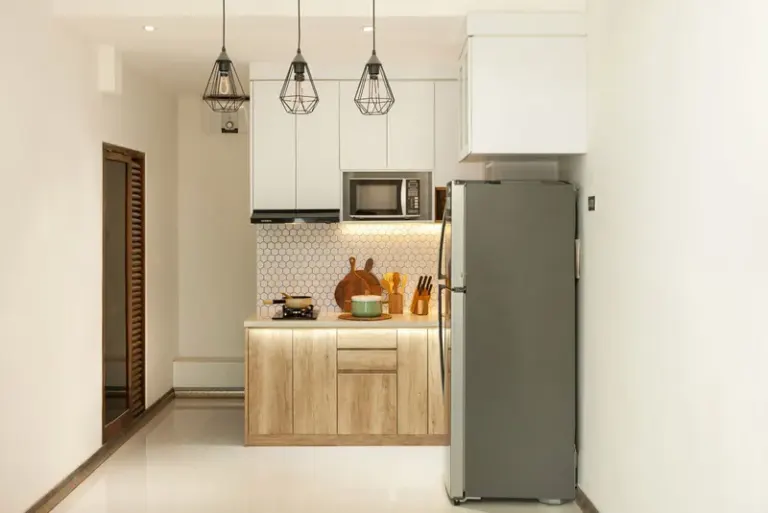
I still remember the first dinner we cooked in our 220-square-foot apartment. We had shoved the couch aside and the boiling pot sat where it had been an hour earlier. My partner and I took turns stirring and plating, elbows brushing, laughing because there really was no other way. That cramped, slightly chaotic meal felt like a revelation. Small kitchens compress more than appliances; they compress time, choices, and the little rituals that make a place feel like home.
Key takeaways
- Why Small-Kitchen Living Changes Everything
- Working Within Limits: The Real Spatial Constraints
- Rethinking Family Rituals Around the Counter
- Design Tricks That Make Small Kitchens Feel Big
In this post I'm going to show how compact kitchens change the way families cook, eat, and schedule their days, and what you can do about it. I'll walk you through five things: context, spatial constraints, social rituals, design strategies, and time management. This is practical stuff, not theory. These are fixes that worked for me and for folks I know who live in tiny homes, studios, and small apartments. Read on for concrete tweaks to your layout, routines, and mindset that cut friction and amplify the rituals that actually matter.
Why Small-Kitchen Living Changes Everything
Living with a small kitchen isn't just about square footage. It's a cultural and logistical shift that forces priorities into focus. When we moved into our compact place, meal prep stopped being background noise and became an event. The kitchen turned into a tiny stage where conversations, compromises, and family rhythms all squeezed into a few square feet. That matters because rituals that once sprawled across rooms or hours now happen elbow to elbow, in tight, intense pockets of time.
Understanding context means looking beyond storage and appliances to the life you actually want. Do you host weekend breakfasts? Juggle remote work with making dinner? Live in a van with a partner and a dog? Each situation creates different expectations for meals and togetherness. This section sets the scene: who lives in compact kitchens, why they choose small spaces, and how those reasons shape design choices and daily routines.
What I mean by context
Context is the backdrop the kitchen lives in. It's your family's clock, the comings and goings, work and school schedules, food likes and dislikes, and those tiny habits you only spot after a few weeks. In a small kitchen those patterns decide what's practical. If your weekdays end at 7 p.m., you can't realistically make a three-hour stew. If someone snacks at 9 p.m., you store differently. Noticing these realities is the first step toward making rituals help you instead of fighting the space.
Read your household rhythm
Spend one week just watching. Jot down when people get hungry, who actually likes to cook, and which surfaces get claimed. You're mapping friction points. Maybe mornings are a blur and no one has time to sit. Maybe weekends are slow and sweet, perfect for a shared project. Once you have those anchors, you can match meals and rituals to them. Quick breakfasts turn into grab-and-go rituals. Slow Saturday lunches become family projects.
Small, practical tweaks that follow context
Pick two small rules based on what you find. If evenings are rushed, commit to a three-ingredient dinner two nights a week. If weekends are social, turn one afternoon into a 30-minute batch-cook session where everyone pitches in. Keep the rules visible (a tiny note on the fridge or a whiteboard that says "Weeknights: quick. Saturday: cook together"). That alone cuts a lot of decision fatigue.
Chunk tasks instead of trying to do everything at once. Unpack groceries right away. Wash and dry the knife while the stove heats. Pick one landing spot for keys, backpacks, and lunchboxes so entryway clutter doesn't spill into the kitchen workflow.
A weird but useful trick that worked for us: designate a "ceremony shelf." A one-foot strip of counter or a high ledge where you keep two things that signal ritual that day: a jar of fresh herbs, a favorite bowl. Seeing it makes everyone pause and eat together, even for ten minutes.
Context isn't about perfect schedules, it's about honest adjustments. Learn your household's tempo, pick two simple rules, and set tiny markers that cue the rituals you want. Over time those small, consistent moves become the backbone of family life in a compact kitchen.
Working Within Limits: The Real Spatial Constraints
The physical limits of a small kitchen decide what you can store, cook, and do at once. Counter space vanishes the moment the cutting board comes out. One burner often means staggered cooking. My routine changed because the space forced sequence and prioritization. Figuring out your kitchen's real constraints is the first practical step toward reducing friction and making rituals repeatable.
We'll look at common bottlenecks: footprint and layout, storage depth versus height, clearance and circulation, and appliance capacity. I'll show how these constraints affect meal workflows and where small changes buy the most relief. The goal is clear examples that help you map your space and find the three or four pinch points that, once fixed, unlock a lot more calm and better rituals.
Small kitchens force choices. Every inch is an argument about what stays, what goes, and who gets the counter for ten minutes. Those constraints aren't just physical; they shape how you cook, who helps, and how often you invite people over. Here's how to understand those limits and work with them.
Read the physical pinch points
Walk the kitchen as if you're carrying a full plate. Notice where you slow down, where two people clash, and which cabinet doors block the counter. Measure rough clearances with a tape or even a chair. Aim for about a foot of usable landing beside the stove and sink, and keep the main walking path clear enough for someone to pass without moving a chair. These aren't laws, just practical anchors for decisions about furniture, seating, and storage.
Prioritize surfaces, not stuff
Decide what needs immediate counter access. For us it was the coffee station and the prep zone. Everything else moved up or into seasonal rotation. The waffle iron and holiday platters went high on a shelf instead of crowding the counter, and we keep a dedicated tray for afternoon snacks that slides into a lower cabinet. The rule: only keep stuff you use daily within arm's reach.
Reimagine circulation and workflows
Think of the kitchen like a small stage. Put prep tools by the counter, utensils near the stove, and dishes by the drying zone. If two people cook together often, create a secondary prep spot (a cutting board over the sink or a fold-down shelf). These temporary surfaces are lifesavers; they turn circulation bottlenecks into usable workspaces without permanently stealing room.
Small hardware, big impact
A few small hardware moves change everything: hooks inside cabinet doors, a magnetic knife strip, stackable pans, nesting bowls, or a slim rolling cart. Use the vertical face of a cabinet or the fridge side for spice rails or a pegboard. Under-shelf baskets add a hidden level inside a cabinet. These choices free counters and make retrieval fast.
When to accept limits
Not everything fits, and that's fine. We stopped buying large cookware because space was the true premium. Saying no to one item bought us ease every day. Small, embarrassing story: our collapsible colander lived behind the oven for months because it otherwise had no home. It was ugly. It worked.
Spatial constraints might seem boring, but they force clarity. Trim, arrange, and treat temporary surfaces as allies. The result is a kitchen that feels intentional rather than just cramped.
Rethinking Family Rituals Around the Counter
Compact kitchens concentrate social life. The stove becomes a conversation pit, the sink a little gathering spot. That compression can be a blessing: mealtime often feels intimate and intentional. It can also create friction when needs collide, like when someone needs a laptop surface while someone else is plating dinner. From my experience, the secret is to treat rituals as flexible choreography, not rigid routines.
Here we'll look at how rituals change in small spaces and how to protect the social value of shared meals. I'll cover ways to keep family traditions, create new rituals that fit a tight footprint, and negotiate competing needs without resentment. The aim is to turn constraints into connection, whether that's prepping together with one person handling plating, or simple rituals for weekday dinners and slower weekend feasts.
Why social rituals matter in a small kitchen
In a compact space, rituals do the job that furniture usually does. They create predictability, invite participation, and turn cramped moments into something shared instead of stressful. Rituals aren't about perfection; they're short, repeatable actions that signal togetherness. Over time those signals make a small kitchen feel roomy in a social way.
Practical rituals that actually fit small spaces
Pick three rituals that match your daily tempo and keep them simple. Things that worked for us: a two-minute pre-dinner pause where everyone wipes one surface and hangs aprons; a "pass-and-plate" routine where one person runs the stove and the other plates, using plates as a staging area; a bedtime snack ritual (one cookie, one cup of tea) that lives on the counter for five minutes and then disappears. Small, repeatable things.
How to start: choose a ritual, time it, and keep it under 10 minutes. Run it for two weeks and notice what feels natural. Adjust roles so each person has a predictable pleasant task. It's about cadence, not ceremony.
Cues, boundaries, and making space for people
Cues matter more than rules. Use one visible action to start a ritual: turn on a low lamp, open a particular drawer, or play a three-song playlist. That tells everyone to slow down and join in. Boundaries matter too. In a tiny kitchen, decide when the stove zone is off-limits (for example, 7 to 7:30 p.m. is cook-only). Say the rule out loud instead of leaving it implied. Clear expectations cut elbow friction and resentment.
Involving kids and guests without chaos
Give small hands a contained job. Kids can be the official herb ruffler, napkin folder, or spoon washer. Guests like having one simple task, like refilling water or opening a picnic-style bowl. Keep tools and tasks low-risk and easy to undo.
A quick honest tangent: we tried an evening "formal" dinner for a month. It lasted three days. The simpler ritual that replaced it, lighting a cheap LED candle and serving everything family-style, lasted for years and felt better.
Rituals are tiny commitments that shape how people use a compact kitchen. Start with one, keep it brief, give it a clear cue, and let it evolve. Over time those small patterns turn cramped minutes into something you remember.
Design Tricks That Make Small Kitchens Feel Big
Good design in a tiny kitchen is about choices that multiply functionality. I learned to favor pieces that do more than one job: a rolling cart that is prep surface, pantry, and dining table; a fold-down shelf that becomes an herb garden and spice rack. The right strategies stretch perceived space and reduce conflicts over surfaces and tools.
I'll outline practical design strategies that give the biggest payoff. You'll get advice on layout priorities, vertical storage, multiuse furniture, scaled-down appliances, and lighting that makes a space feel larger. I'll give rules of thumb for shopping or reorganizing, plus low-cost tweaks that change daily flow. These are things I tested in real life and that other compact-living families swear by.
Design strategies
Designing a small kitchen is less about squeezing everything in and more about making each element earn its keep. I learned this the hard way after buying a bulky butcher block that looked great but turned our kitchen into a traffic jam. Design for actions, not objects.
Plan around tasks, not appliances. List the three things you do most in the kitchen. For us it was morning coffee, weekday dinners, and weekend baking. Arrange counters and storage so those tasks flow left to right. Keep the most-used tools within the natural reach of each task. If you're unsure, tape out work zones on the counter for a week and watch where you naturally move.
Make surfaces multi-functional. A fold-down table can be a dining spot, a laptop station, or a cookie-decorating bench. A deep drawer lined with a cutting board becomes a prep island when pulled out. Think about temporary surfaces you can deploy and tuck away. My partner and I rely on one countertop that takes a heatproof mat, a cutting board, and a placemat in quick succession. It's surprising how much a single cleared surface will change your day.
Control visual clutter. Open shelving can look airy until everything on it becomes chaos. I swapped a section of shelves for a shallow cabinet with a curtain. That keeps staples handy but out of sight. Use a consistent palette for dishware and containers so what's left visible feels curated instead of messy. When things match visually, the kitchen reads larger.
Layer your lighting. Bright overhead light is fine for cleaning, but a small under-cabinet or task lamp changes how the space feels while you cook. We installed a low, warm light under one cabinet to signal dinner time and it made evening meals feel intentional. Lighting can be a cue and reduce the need for extra décor.
Scale furniture to movement. Choose seating that tucks fully under the table or folds flat against a wall. Avoid large plush chairs that won't move. We traded a chunky bench for two slim stools that slide under the counter. Instant room.
Accept and rotate. Nobody needs every pot, gadget, or serving dish all the time. Keep off-season or rarely used items in a labeled box under the bed or in a closet, and rotate them every few months. That habit keeps daily choices simple and protects the rituals you actually want.
A practical checklist: identify three priority tasks. Mock up zones with tape. Replace or remove one oversized item. Add one deployable surface. Change one light. Small moves like these add up fast.
Schedule Smarter: Time Rituals for Compact Homes
In a tiny kitchen, time is as precious as counter space. When everything has to happen in sequence, small inefficiencies turn into evening chaos. Early on we traded frantic last-minute cooking for micro-routines: prep on Sundays, synchronized timers for overlapping tasks, and simple role assignments for shared meals. Those small time investments turned our evenings from frantic to gently ritualized.
This section covers time-management habits that reduce stress and preserve ritual. We'll talk batch prep, component cooking, synchronized workflows for multiple cooks, quick-clean rules to keep surfaces usable, and how to fold slow rituals into tight schedules. You'll get pragmatic tactics for planning meals, distributing tasks, and using time as a design element so family rituals survive and thrive even in the smallest kitchens.
Build a simple weekly cadence
When space is tight, time is the other scarce resource. I recommend mapping a one-week plan that feels permissive, not rigid. Pick three reliable meal types for weekdays: a 10-minute breakfast, a 20-minute weekday dinner, and a weekend project meal. Write them on a tiny magnet calendar or a sticky note on the fridge. That one small plan removes the "what's for dinner" scramble and keeps the kitchen from becoming a decision battleground.
Steps to try tonight:
- Pick Monday, Wednesday, Friday as quick nights. Choose two recipes you like and rotate them.
- Reserve Saturday afternoon for a batch-cook or baking session.
- Leave Sunday flexible for leftovers or takeout.
Use micro-batching and built-in buffers
Batching doesn't mean spending all day cooking. It means moving small prep tasks to calmer moments. Chop vegetables while the coffee brews. Soak beans the night before. Make a simple sauce in the morning you can reheat at dinner. Add a 10 to 15 minute buffer to your plans. If dinner usually takes 30 minutes, plan 45. That buffer soaks up spills, homework interruptions, or the missing fork.
A practical micro-batch routine:
- Evening: soak or defrost and rinse a few ingredients for tomorrow.
- Morning: mix a marinade or start the slow cooker.
- Pre-dinner: set a 15-minute "go" alarm that signals everyone to clear a surface and grab one small job.
Sync people and roles
Small kitchens punish last-minute jockeying for counter space. Assign roles that match people's energy levels. One person handles heat and timing, another plates and pours drinks, a kid does napkins or herbs. Keep tasks short and age-appropriate. Rotate weekly so no one gets burned out.
Use one clear cue to start the shared routine. We used a tiny lamp. When it clicked on, everyone knew to switch from screens to plates. You can use a short playlist or a kitchen timer. A physical cue makes coordination painless.
Tools and tricks that save minutes
Timers. A small drawer labeled "dinner kit" with one cutting board, one knife, a measuring spoon, and a bowl. A set of pre-portioned spice jars or a jar labeled "Weeknight Seasoning." Two lightweight, stackable containers for fridge staging make it easy to move ingredients as a group.
Quick checklist to start:
- Create a one-week cadence with three meal types.
- Establish two daily micro-batching habits (one morning, one evening).
- Assign simple roles with a clear start cue.
- Build a tiny "dinner kit" for fast setup.
Time management in a small kitchen is less about squeezing more in and more about choosing what to show up for. With small, repeatable rhythms, your compact space starts to feel roomy in the best way.
Moving Forward
Small kitchens change the rules, but they also clarify what matters. Context (read your household rhythm and set two small rules) shapes what you keep on counters. Spatial constraints demand surfaces and sequence (tape out zones, prioritize surfaces, accept limits). Rituals and design choices amplify togetherness (a ceremony shelf, a cue lamp, fold-down shelves, magnetic knife strips, and hooks). Time is a design decision: build a one-week cadence, use micro-batching, and keep a tiny "dinner kit" so setup is fast and friction stays low.
Here are practical moves that make life easier. Spend a week watching patterns, then pick two small rules and pin them to the fridge. Tape out your prep, stove, and landing zones for a few days to see where people bump into each other. Remove or rotate one oversized item that steals space, and add one deployable surface (a cutting board over the sink or a fold-down shelf). Install a few small hardware fixes like hooks, under-shelf baskets, or a magnetic knife strip. Make a designated "dinner kit" and pick one clear cue (a lamp, a short playlist, or a timer) to start your ritual.
Do one experiment this week, but keep it tiny. Set up a ceremony shelf with two ritual items, or assemble the dinner kit and try a two-week "same three meal types" cadence to see how much decision fatigue it removes. Assign quick roles for weekday dinners, add a 10 to 15 minute buffer to plans, and be willing to say no to the one pot or gadget that keeps clogging your cabinets. Small honest detail: we kept a collapsible colander behind the oven for months because it was the only spare spot. It was ugly, but it worked, and that kind of compromise is part of the fun.
Try one of these changes tonight and tell me what happened. Post a photo of your taped zones, ceremony shelf, or dinner kit in the comments or tag us on social so others can learn. If you want a step-by-step checklist or a printable one-week cadence template, tell me and I'll put one together. Small moves build big rituals, and I can't wait to hear what you do with your compact kitchen.
Related product reviews

Best Over-the-Sink Cutting Board Systems for Small Apartments
Reclaim sink space with top over-the-sink cutting board systems that streamline prep, draining, drying, and storage in a small apartment kitchen.
Read more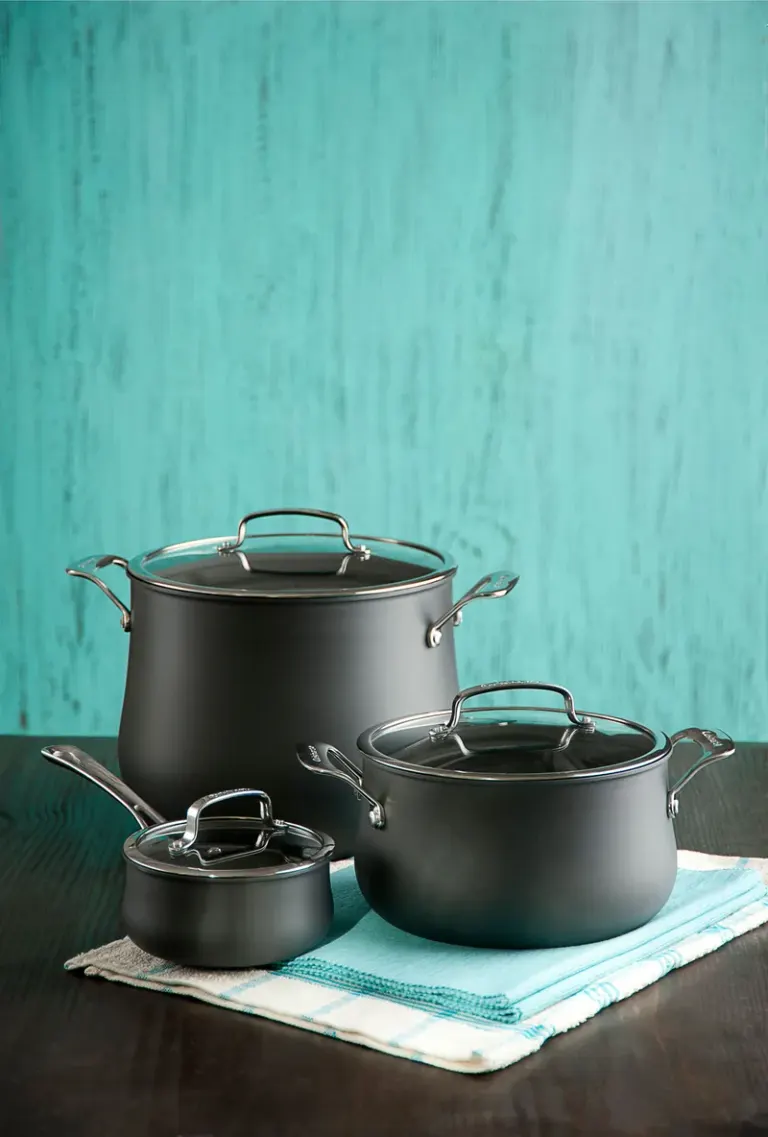
Best Vertically-Stacking Cookware for Small Space Kitchens
Compare top vertically-stacking cookware to maximize cabinet and counter space, streamline cooking, and pick durable multi-function pieces for small space living.
Read more
Best Cabinet-Door Lid and Cutting Board Holders for Small Spaces
Maximize small space kitchen storage by mounting lid and cutting board holders on cabinet doors, free counters, organize items, and access essentials fast.
Read more