
Light Mapping for Indoor Plants: Maximize Growth in a Tiny Apartment
Last updated By Maya Bennett
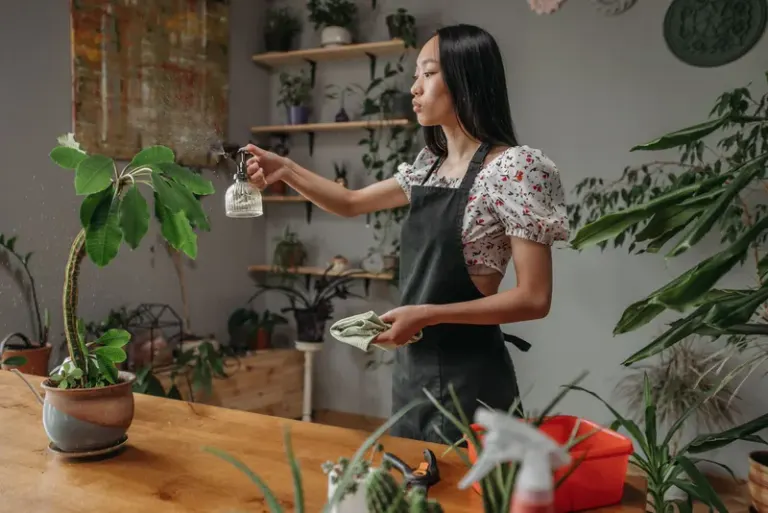
Have you ever glanced at that tiny sunny patch by your window and thought, "I could turn this into a jungle if only I had the space"? If your home is measured in square feet instead of acres, you know the hustle: making room for plants, storage, and personality, all without turning the place into a green hoarder’s paradise. This post walks you through a hands-on approach to light mapping so your plants get what they need and your apartment stays livable and lovely.
Key takeaways
- Start Here: Assess Your Apartment's Natural Light
- Map Your Light Zones: Create a Simple Blueprint for Success
- Pick the Right Plants for Each Light Level: Match Needs to Space
- Placement and Styling: Make Plants Pull Double Duty in Tight Spaces
You’ll get five practical things: how to judge natural light in a small home, how to map light zones, how to pick plants that actually fit those zones, smart placement and styling tricks that save space, and a few simple lighting and care upgrades that keep everything healthy. Expect quick DIYs you can finish in an evening, honest tradeoffs (what works and what doesn’t in tight quarters), and clear next steps so you can turn a scatter of pots into a deliberate micro-jungle.
Start Here: Assess Your Apartment's Natural Light
Which corners of your apartment get usable light, and when? Start here. Most plant mistakes come from guessing. Instead of buying a dozen plants and watching half of them sulk, do a quick, systematic check. In a small place a single bright window can be the difference between a thriving corner and a shelf of sad succulents.
Spend a day or two observing. Take photos in the morning, at noon, and late afternoon. Note which way windows face, any blocked views from trees or buildings, and how curtains or blinds change things. Light reflected off pale walls can brighten a corner, while a south-facing window with heavy curtains may deliver almost nothing. These details will guide both what you buy and where you put it.
Be honest about limits. North-facing rooms, deep kitchens, and frosted windows aren’t hopeless, they just need different strategies. Assessing light isn’t about declaring places off-limits, it’s about spotting dependable spots and small fixes that change the rules, like swapping curtains or adding a reflector.
Assess natural light
Think of light like terrain you can map and tweak. Spend a morning on this and you’ll avoid weeks of guessing.
Quick light audit (30-60 minutes)
- Check three times: morning (around 9 am), midday, and late afternoon (around 3-4 pm). Take a photo from the same spot each time.
- Mark where direct sun lands. Use sticky notes on windowsills, a piece of painter’s tape on the floor, or small dots where sunlight falls. Jot the time on each note.
- Count minutes of direct sun for each spot. Leave a sticky note until the sun moves off it. More than three hours of direct sun is very different from none.
Measure like a pro without fancy gear You don’t need an expensive meter. A basic light meter app gives a lux readout, or use your phone camera as a proxy: if your camera underexposes an area on auto, it’s bright. If it struggles to focus, it’s dim. Aim for rough ranges: low light (under a few hundred lux), medium (several hundred to about 1,000 lux), bright (1,000 lux and up, especially where direct sun hits). These ranges make plant matching easier.
Create a tiny light map Sketch a quick floor plan on a napkin or the back of a bill. Mark window orientation (north, south, east, west). Add your sticky-note observations and label zones A (bright/direct), B (bright/indirect or long-duration medium), C (low/short-duration). In a small apartment a single window often creates three different zones in a few feet. Seeing it on paper stops you from stuffing every prime spot.
Check for microclimates and seasonal shifts Look for drafts, radiators, and reflective surfaces. A sunny sill above a heater can stress succulents in winter. Note whether trees or awnings change the light in other seasons. If you’re serious, repeat the audit in winter.
Small hacks with big impact Clean the windows, lift heavy curtains during the day, and move mirrors around to bounce light into dark corners. Want to experiment? Tape white foam board outside a low-sun window for a weekend test. You’ll be surprised how many extra bright niches you can create.
Do the audit once and you’ll know exactly where each plant will thrive. Trust the map and let the plants prove you right.
Map Your Light Zones: Create a Simple Blueprint for Success
After you know where and when light falls, map it. Think of this as a scaled-down floor plan that marks bright, medium, and low pockets. For small apartments the map is both a planning tool and a sanity saver. Instead of shifting plants around blindly, you’ll have a reference that tells you which spots are worth investing in with taller plants, grow lights, or special watering routines.
Making the map is low-tech and quick. Use a photo or a sketch, then annotate where sunlight hits and how it changes through the day. Add notes for reflective surfaces like mirrors or white cabinets, and mark spots blocked by furniture. If you want numbers, smartphone light-meter apps can give relative lux readings, but observation and timed snapshots are often enough in tiny spaces.
Treat the map as a living document. Update it when you move furniture, change window treatments, or spot seasonal shifts. It helps you group plants by light needs, plan vertical layers, and decide where to place supplemental lighting. In short, mapping saves space, kills fewer plants, and makes styling choices that actually help growth.
Define your light zones in plain language
Name each zone so decisions are instant. Call the brightest patch the "sun pocket." Strong but indirect areas become the "bright fringe." Consistent daylight without sunbeams is the "ambient zone." Dark corners are the "shadow zone." These names keep choices quick when you’re shopping or rearranging.
Be concrete about distance and feel. In a small place the sun pocket is usually the windowsill and the first two feet in. The bright fringe often stretches another two to four feet. The ambient zone is the rest of the room that gets daylight but no direct beams. The shadow zone is where your camera struggles to focus or where you need a lamp to read. Use those judgments, not exact numbers.
Turn the map into action
Color-code the zones on a floor sketch and add small symbols for watering frequency and humidity needs. For a practical touch, laminate the map and stick Velcro-backed dots or magnets that stand for each plant. When you move a pot, move its dot. You get a living inventory and avoid crowding prime spots.
Make a one-line rule for each zone. For example: sun pocket = rotate sun-loving plants weekly; bright fringe = stable placement for medium-light specimens; ambient zone = group plants that tolerate indirect light; shadow zone = use for trailing or foliage-first plants and add light if needed.
Map vertically and seasonally
Light changes with height. A top shelf by a window might be in the bright fringe while the cabinet below sits in the shadow zone. Draw vertical slices on your map. Note radiators, drafts, and appliance heat since they create microclimates that affect plant choice.
Add two seasonal overlays. Mark where summer shade from outside foliage appears, and where winter sun reaches deeper. Tape a small seasonal tab to the map so you remember to rotate or swap plants when the sun shifts.
DIY tools and a short routine
Staples: a printed floor sketch, colored stickers, a clear sheet protector or laminator, Velcro dots or small magnets, and a notecard for plant icons. Spend about 30 minutes setting it up. After that, glance at the map during weekly watering and update changes. The small upfront effort keeps your apartment organized and your plants healthier.
Small tangent. I once found a two-foot "sun lane" from my east window that only existed between 8 and 10 am. Mapping it turned an awkward hallway into a tiny herb station and the best spot for morning-blooming plants.
Pick the Right Plants for Each Light Level: Match Needs to Space
Picking plants by light will make or break your micro-jungle. In tiny homes you can’t rely on brute force. Choose plants that naturally fit your map’s bright, medium, and low zones and you’ll save space, time, and frustration. A thriving low-light fern beats a struggling fiddle leaf fig shoved into a dim corner.
Start by grouping common types into light categories, then think about form factor. Trailing pothos and philodendrons are great for medium to low light and save floor space when hung or trained up a pole. Compact succulents and cacti live on the brightest windowsills. Bright indirect spots suit young fiddle leaf figs, rubber plants, or dracaenas. Be honest about "low light" claims; many plants tagged as low-light still appreciate a few hours of indirect sun or an LED boost.
Also consider maintenance and growth rate. Fast growers like pothos fill a space quickly and are easy to prune. Slow growers need less repotting and take up less space long term. Match the plant’s temperament with your light and time, and your micro-jungle stays manageable.
Match plant habits to the light you actually have
Think leaf strategy, not trends. Thick, fleshy leaves store water and want bright light. Big, thin leaves grab scarce photons and tolerate lower light. Match that physiology to the spot, then think habit. Trailers hide dim corners. Upright, tree-like plants need a stable bright spot or they’ll lean and drop leaves.
A quick checklist when choosing a plant:
- Note how many hours of direct sun, or whether the spot is bright indirect.
- Pick a growth habit that fits your footprint (trailing, compact, columnar).
- Prefer smaller cultivars or young plants for tight spaces. You can always prune or propagate later.
Compact plant picks by light level
Bright, direct sun (window ledges and very bright corners). Compact succulents and small cacti, haworthia, aloe pups, and small echeveria work well. Compact herbs like chives or thyme are great if you want edible benefits.
Bright, indirect (well-lit corners and shelves). This is the most forgiving zone. Pothos, young monstera or small-leaf philodendrons, peperomia, and spider plants do well here. They grow without taking over when kept in small pots.
Moderate to low light (interior nooks, behind furniture, north windows). Go for snake plant, ZZ plant, cast iron plant (Aspidistra), and Chinese evergreen (Aglaonema). These are slow growers, forgiving of missed water, and ideal for shadowed corners.
Be honest: "low-light" plants still need some daylight. If a spot is genuinely dark, pick tiny, slow growers and plan to supplement light.
Placement, maintenance, and space-saving hacks
Use vertical space. Train trailers up a small trellis, a tension rod, or a corkboard with clips so the floor stays open. Pick narrow or tall pots for floors and shallow wide pots for sunny ledges.
Rotate plants regularly. One or two turns a week prevents lopsided growth and keeps all leaves doing their job. Prune to control size. Save trimmings to root and make new plants, or to refresh crowded pots.
Group plants by light and water needs. A single watering routine makes life easier. When a plant struggles, try moving it a step closer to the window before repotting. Small, incremental changes beat dramatic moves most of the time.
Start small. Add or propagate one healthy specimen per spot and learn its quirks for a season. You’ll save space, time, and heartache, and enjoy the satisfaction of solving each micro-jungle puzzle yourself.
Placement and Styling: Make Plants Pull Double Duty in Tight Spaces
In a small apartment everything should earn its keep. Plants can be practical, decorative, and space-saving when placed with intention. Placement and styling in compact homes is about layering vertically, choosing multi-use furniture that holds greenery, and arranging plants to enhance rather than clutter. The result feels curated, not accidental.
Think vertically and multi-use. Wall planters, floating shelves, tension rods above the tub, and hanging planters use otherwise wasted space. Put taller specimens near windows so they act as visual anchors, and use trailing plants to soften shelves or create a green screen behind a desk. Don’t crowd a windowsill with pots, or you’ll reduce light for all of them. Also mind humidity and temperature around stoves, radiators, and windows.
Style should follow function. Group plants by light needs and aesthetic to make vignettes that feel intentional. Use consistent pot sizes or colors for cohesion, or mix textures for a layered look. Be pragmatic: leave space for watering, rotation, and pest checks. With careful placement your plants will enhance storage, define zones, and make the apartment feel larger and fresher.
Layer for depth and flow
Think in layers, not a single row of pots. Start with a visual anchor, a taller plant or sculptural pot in a corner or by a reading chair. Add midsize plants forward, then finish with low or trailing plants at the shelf edge. The result reads like a mini landscape instead of a cluttered collection.
A simple rule: Anchor. Middle. Edge. That order gives each plant room and prevents visual chaos. Leave some negative space. One empty shelf or a single vase breaks density and lets plants breathe.
Space-saving placements that actually work
Use vertical rails and staggered heights. Hang three pots from one ceiling hook at different lengths. Mount a narrow floating shelf below a window to catch light without blocking sightlines. Measure first. A 3-6 inch deep sill needs shallow pots. For shelving, leave 12-18 inches between tiers for upright plants. Allow 18-24 inches below a shelf for trailing plants to drape.
Repurpose items. A leaning ladder becomes a tiered plant stand. A slim bookcase can be a humid micro-haven with a pebble tray on one shelf. Magnetic planters stick to metal backsplashes or filing cabinets and free floor space. Use lightweight pots for hanging. Terra cotta looks great but gets heavy when wet. Match weight with secure anchors and check your fixings before loading up.
Styling tips that simplify care
Stick to a simple palette. Pick two neutral pot colors and one accent tone for hardware or textiles. A consistent palette makes lots of different plants read as intentional. Mix materials for interest: pair matte ceramic with woven baskets and a glass terrarium.
Texture helps. Pair glossy leaves with matte foliage to make differences pop. Put a small mirror behind a plant to amplify light and add depth. Use saucers or trays under pots to keep watering neat and protect surfaces.
DIY builds that punch above their weight
- Tension-rod hanging rail. Fit a rod across a narrow alcove and hang lightweight pots with S-hooks and cord. No drilling.
- Pegboard wall. Drop in shelves and hooks for a flexible display that grows with your plants.
- Mini greenhouse. Clip a clear shower curtain over a tall shelf during winter to raise humidity for fussy species.
A quick personal note. I turned a narrow stair landing into a plant pause with one slim shelf and three staggered hangers. It became the apartment’s green focal point without costing floor space.
Finally, don’t overcrowd. Give each plant a moment to show whether the spot suits it. You’ll save space and still end up with a layered, styled micro-jungle that looks purposeful and grows well.
Care Essentials and Simple Lighting Upgrades: Keep Your Mini Jungle Healthy
Caring for plants in a small apartment is different from caring for them in a house. Pots are smaller, microclimates sit close together, and mistakes get amplified. Key care basics are right potting mix, knowing how often to water small containers, and regular rotation so all sides get light. Overwatering is the most common problem in tiny homes. Use pots with drainage and check soil moisture rather than following a fixed schedule.
When natural light is short, practical lighting upgrades pay off. LED grow lights are compact, energy efficient, and now come in designs that blend with decor. For many small setups a clip-on or strip light does the job. Learn basic light metrics like intensity and duration. Aim for 10-14 hours of supplemental light for low-light plants that receive little natural sun. Be upfront about costs and looks. You don’t need a commercial fixture to succeed, but cheap lights have limits and may need tuning.
Build a few simple routines. Weekly health checks, monthly dusting, seasonal repotting, and a basic pest-inspection habit will keep things happy. Small investments in timers, reflective panels, and quality potting mix cut down on dead plants and troubleshooting time. With a few practical upgrades and sensible habits, your micro-jungle can be healthy, sustainable, and perfectly at home in a small space.
Care routines to match your lighting
Treat daily care like tuning a small machine. Light drives growth, so watering, feeding, and pruning should follow. A simple rule: more light means more water and more feeding; less light means conserve. Check soil by weight. Pick up the pot after watering and remember how heavy it feels. When it feels noticeably lighter, water. This beats schedules in tiny homes where microclimates vary.
Use a moisture probe or a chopstick if you’re unsure. When you water, do it deeply until drainage appears, then let the top inch or two dry for most tropical houseplants. Flush containers every 6-12 months to remove mineral buildup from tap water. Top-dress with fresh compost or slow-release granules in spring and cut back feeding in fall and winter when growth slows.
Pruning is preventive maintenance. Remove leggy growth and yellow leaves to direct energy where you want it. Use clean, sharp snips and cut at a node. Save trimmings for propagation. For pests, scout weekly. Wipe undersides of leaves with diluted alcohol or mild soap at the first sign of trouble, and isolate affected plants immediately.
Humidity matters. Create micro-habitats with pebble trays, grouping, or a cheap tabletop humidifier. A clear plastic cover over a shelf can make a removable mini-greenhouse for cuttings and seedlings.
Simple lighting upgrades you can DIY
You don’t need a pro setup to give plants consistent light. LED strips and flat panels run cool, use little power, and mount easily. Aim for full-spectrum output in the 4000-6500 K range for general growth. Start lights 12-18 inches above mature foliage; move closer for seedlings if intensity allows. Watch leaves for bleaching or stretching and adjust distance.
Quick rental-friendly ideas:
- Mount adhesive LED strips under shelves for even, low-profile light.
- Clamp small LED panels to shelves or bookcases with swivel clamps for targeted light.
- Use a tension rod above a window and hang lightweight panels or plant hangers.
- Tape white foam board behind plants to reflect light back and boost effectiveness without extra watts.
Add a timer or smart plug to automate photoperiods. Most houseplants are fine with 10-14 hours of supplemental light when natural light is lacking. If you use multiple fixtures, group them on the same circuit to avoid overloading outlets.
Quick projects and safety notes
Build a mini grow shelf by painting plywood white, installing two LED strips evenly spaced, and powering them with a single timed plug. Secure fixtures with command strips or small brackets. Always check that fixtures stay cool, use proper anchors for heavier lights, and avoid extension cords across walkways. A little planning and a few inexpensive upgrades deliver steady growth and fewer headaches.
Next Steps
You’ve got the toolkit to turn scattered pots into a deliberate micro-jungle. Start with the quick 30-60 minute audit (photos at morning, midday, late afternoon, sticky notes, and a direct sun count). Sketch a simple map with sun pocket, bright fringe, ambient zone, and shadow zone. Match plants by leaf type and habit: succulents for ledges, pothos and peperomia for bright indirect shelves, snake plant and ZZ for low corners. Use placement tricks (vertical layering, tension rods, pegboards, shallow pots) and adopt practical care basics: water by weight, rotate weekly, prune and propagate, and add pebble trays or a small humidifier for picky species.
Practical checklist to make it stick:
- Start small. One new spot at a time.
- Make one simple lighting upgrade if a zone reads as dark: an adhesive LED strip or clamp panel on a timer usually does the trick.
- Use Velcro dots or a laminated map to track who goes where.
- Plan seasonal overlays so you rotate plants as the sun shifts.
Do this tonight. Spend 30-60 minutes on the audit, sketch your map on a napkin, and pick one plant that fits a clear zone. Mount one LED strip or hang a single pot from a tension rod, set a timer, and watch for two weeks. Share your before and after photos in the comments or tag the blog on social media to show your progress, swap hacks, and ask questions. Turn curiosity into action, and enjoy the satisfaction of optimizing every inch of your small space.
Related product reviews
Best Over-Door Vertical Planter Shelves for Minimalist Space
Add greenery without losing floor space - discover over-door vertical planter shelves for minimalist space. Space-saving, foldable, self-watering options.
Read more
Best Acoustic Art Panels with Shelving for Small Space
Discover acoustic art panels with built-in shelving for small space - absorb echoes, reclaim floor space, and stylishly display plants, books, and tech gear.
Read more
Best Magnetic Picture Ledges for Compact Living Areas
Find magnetic picture ledges that maximize vertical space in your compact living area, damage-free, reconfigurable rails to swap art, plants & essentials.
Read more