
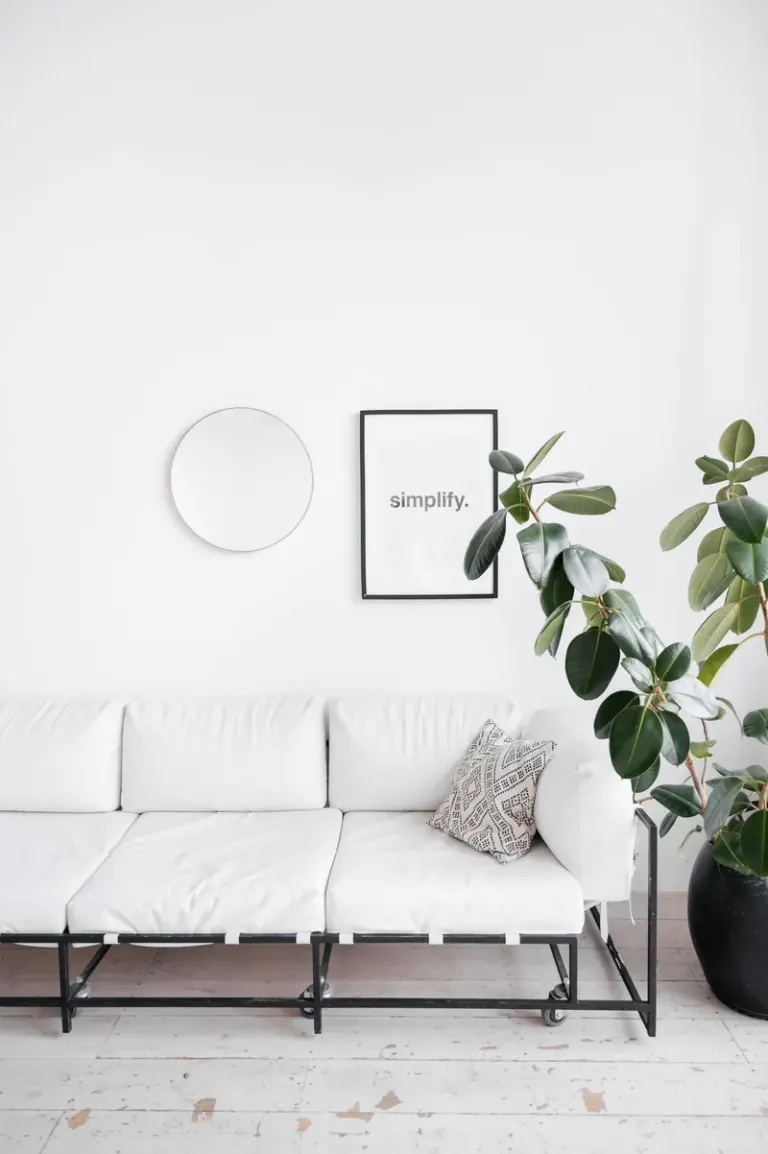
Remember the first time you walked into a tiny space that felt expensive rather than cramped? That feeling pulls you in. I still get it. A cluttered shoebox of mismatched furniture and overflowing storage can become a calm, luxurious retreat when simplicity is treated as strategy instead of sacrifice. It’s not about losing comfort. It’s about choosing fewer things, better systems, and arranging them so every inch works harder and the whole place looks calmer.
Key takeaways
- Why Simplicity Feels Like Luxury in Tiny Homes
- Core Principles That Turn Small Spaces into Calm, Luxurious Homes
- Space Planning and Furniture: Make Every Inch Work and Look Expensive
- Light and Materials: The Two Quickest Paths to a Luxe Feel
In this post I’ll show how clean lines, thoughtful materials, layered light, and purposeful layout come together to make tiny homes feel luxe. I’ll walk you through five key areas: why simplicity works, core principles, space planning and furniture, light and materials, and styling for longevity. Expect practical, space-saving moves and clear design strategies you can try right away, from rearranging zones to picking finishes that read as high-end. Read on and see how constraint becomes advantage, turning your small space into something effortless, beautiful, and lasting.
Why Simplicity Feels Like Luxury in Tiny Homes
Curious why a pared-back studio can feel more luxurious than a sprawling, cluttered apartment? I am. The before is full: excess stuff, clashing patterns, mixed scales, and endless tidying. The after is calm: intentional items, visual breathing room, and systems that make living easy. Simplicity removes distraction, and in a tiny home that absence becomes a feature. Without unnecessary visual noise, materials, shapes, and light get to read as deliberate and refined.
This matters because psychology, upkeep, and perception all reward restraint. Simplicity lowers decision fatigue, reduces maintenance, and stretches perceived square footage. It also highlights the things you keep: a well-made countertop, a narrow elegant lamp, a single statement textile. Later sections unpack how those shifts happen and why paring back isn’t deprivation but amplification. You’ll learn practical moves designers use to make small spaces read luxe, and how to adapt them to your life and budget.
Why simplicity actually works in tiny homes
Simplicity acts like a magnifier. Reduce visual clutter and competing elements, and the things that remain gain presence and purpose. That concentrated presence makes modest finishes read like quality, and a well-placed chair or lamp feel intentional instead of accidental.
Cognitive load matters. A busy room forces your brain to sort more information, which gets tiring in a small space. Fewer choices, repeated materials, and predictable layouts free mental energy. Living becomes easier when your environment stops asking for attention.
Simplicity improves flow and function. With fewer objects and clearer zones, movement becomes natural. Kitchens, entryways, and sleeping areas stay usable instead of turning into obstacle courses. That efficiency cuts down on tidying and increases the time you actually enjoy the space.
Materials and scale get amplified. In a pared-back interior, texture, seam lines, and hardware scale become features rather than background noise. A single quality countertop edge or a consistent wood grain can carry the room. Invest where you touch and see every day, because those choices will be noticed when there is less else to distract.
Simplicity makes maintenance sustainable. Fewer surfaces and fewer items mean faster clean-ups and lower stress. Small daily habits, like wiping a counter, folding one throw, and stashing a few items, keep the whole home presentable. Simple systems reward consistency.
Practical rules that make simplicity work
- Edit with purpose. Keep only what you use weekly or what brings you real joy. For sentimental things you don’t need around, photograph them and store the item elsewhere.
- Favor multipurpose pieces. A bench that stores blankets, an expandable table, or a picture ledge that doubles as a shelf cuts item count without losing function.
- Create visual continuity. Stick to two or three materials or colors. Repetition makes different elements feel like part of one intentional idea.
- Define pathways and sightlines. Aim for a 30 to 36 inch clear circulation path where possible. Keep tall pieces out of the main sightline so the room reads open.
- Build routines, not rules. A five-minute reset each evening keeps simplicity real and prevents clutter from accumulating.
Simplicity isn’t austerity. It’s an investment in clarity. Remove the excess and you make room for comfort, craft, and calm. Small homes feel luxurious because every decision has to earn its place.
Core Principles That Turn Small Spaces into Calm, Luxurious Homes
Start with a framework. The core principles are the rules you return to when decisions pile up: edit ruthlessly, prioritize multi-function, honor scale, limit your palette, and invest in quality over quantity. Editing means keeping only things that earn their place by usefulness or joy. Multi-function is about furniture and systems that do double duty. Scale ensures pieces feel proportionate and unobtrusive. A restrained palette and consistent materials let form and light do the work.
Why learn the principles before shopping or renovating? Because they prevent costly mistakes. Principles act as a filter for purchases and layout choices. When every object must pass a simple test, your tiny home gathers cohesion instead of chaos. Below we translate these ideas into checklists and exercises so you can evaluate possessions, choose the right furniture, and build a visual strategy that lasts.
Core principles
Simplicity in a tiny home is a discipline. Treat every decision as a vote for the life you want to live. These rules turn minimalism into tangible moves that feel intentional, comfortable, and yes, luxurious.
Clarity of use. Map how you actually live. List daily activities and give each a dedicated footprint. Prioritize storage and surfaces for items you use every day. Store seasonal or rarely used things off-site or up high. For example, a 2-square-foot bedside caddy for nightly essentials beats a bulky nightstand that becomes a clutter magnet.
One anchor per zone. Give each functional area a single anchoring element. In a kitchen that might be a continuous counter. In a living area it could be a low-profile sofa with clean legs that reveals floor space. Anchors provide visual stability so other pieces can recede.
Negative space as a finish. Leave space on purpose. Treat sightlines and open walls like materials. Keep one or two walls quiet to let texture and light breathe. That emptiness makes the things you keep read as curated rather than accidental.
Scale to people, not trends. Measure furniture against human dimensions and movement. Aim for 30 to 36 inches of clear circulation where possible. Choose seating with a 17 to 19 inch seat height so it aligns with tables and counters. Oversized pieces crush tiny homes. Right-sized items feel custom and calm.
Layered, purposeful storage. Hide what you can, display what you love. Use shallow drawers and vertical panels to increase usable volume. Build storage into use points: a bench that opens for shoes, a headboard with slim shelves, kitchen toe-kick drawers. Storage should reduce visual work, not add to it.
Design for change. Flexibility is non-negotiable in small spaces. Pick furniture that can reconfigure. A table on wheels, a sofa that converts into a daybed, or removable shelving keeps the home adaptable as needs shift.
Honor maintenance. Choose finishes that hide wear and clean easily. Matte surfaces, durable fabrics, and replaceable slipcovers extend the feeling of care. Simple upkeep routines are the hidden luxury of any small home.
Make arrival intentional. The first few seconds in a room set the tone. Keep the primary sightline clear, show one focal texture or object, then let the eye rest. That little choreography turns compactness into calm.
Use these principles as filters. If a choice fails two of them, it probably does not belong in your tiny home.
Space Planning and Furniture: Make Every Inch Work and Look Expensive
Space planning is where efficiency and luxury meet. In tiny homes, circulation, sightlines, and storage placement determine livability as much as paint color. Good planning carves clear zones for sleeping, cooking, working, and relaxing without adding space-eating walls. Furniture then reinforces that plan: pieces scaled to the room, modular or foldable where appropriate, and designed to conceal storage make the environment feel intentional instead of improvised.
This section gives practical tactics: how to map flow with simple measurements, choose multifunctional pieces that reduce visual clutter, and integrate built-ins that read custom. You’ll learn the value of negative space around furniture, how to balance open and hidden storage, and why investing in one great piece can elevate the whole room. Expect checklists and selection tips you can test in your own tiny home.
Room zoning and circulation made simple
Start on paper. Sketch the room footprint and tape the major pieces on the floor with painter’s tape. Seeing shapes at actual scale beats guessing. Choose one clear path from the entry to the bed or kitchen and protect that line. Avoid lining the shortest dimension with a sofa or table that forces people to squeeze past. Instead, orient big pieces parallel to long sightlines so the space reads wider.
Use rugs or a subtle change in floor treatment to define zones instead of building physical barriers. A small rug under a seating group or a runner leading to the kitchen gives purpose without clutter. Keep at least a narrow clearance for comfortable movement, think an unobstructed lane not a runway.
Furniture: pick profiles that breathe
Favor pieces that reveal floor and sightlines. Furniture with visible legs, low backs, and narrow depths keeps a room feeling airy. For seating, aim for shallower depths than a standard sofa; compact sofas and slim-profile armchairs often work better than oversized cushioning in a tiny home. A bench instead of two chairs at a dining table saves space and tucks neatly when not in use.
Choose expandable or fold-away tables when you entertain. A round or drop-leaf table that seats two daily but expands for guests preserves circulation and offers hosting flexibility. Nesting side tables, stackable stools, and nesting baskets let you add surface area only when needed.
Items to prioritize: a comfortable bed with integrated storage or lift mechanism, a compact sofa with a clean silhouette, a small dining table that doubles as workspace, and storage benches or wall-mounted units that clear the floor.
Built-ins, adaptability, and finishing moves
Where possible, build storage into nooks and under stairs. Custom shelving that follows the exact width of a wall reads neat and intentional. If you cannot build, consider modular units that stack vertically and match your wall paint so they visually recede.
Make change cheap by choosing furniture with removable covers and simple hardware. Swap cushions or change a tabletop faster than refurnishing the whole room. Anchor each zone with one quality piece, like a low sofa or a platform bed, and keep surrounding items lightweight so you can reconfigure as life changes.
Final practical test. Live in the layout for a week. If you bump into corners, hide things on surfaces, or constantly move a chair, adjust. The right plan feels effortless, not forced. Simplicity becomes luxury when the furniture disappears into how you want to live.
Light and Materials: The Two Quickest Paths to a Luxe Feel
Light and materials shape the way a small space feels faster than any accessory. Natural light expands perception, reflects color, and reveals texture. Thoughtful artificial lighting layers keep things comfortable after dark and stop tiny spaces from feeling boxy. Materials do the quiet work of suggesting quality: a matte plaster wall, warm wood grain, or a tactile textile signals thoughtfulness even when the design is minimal.
You’ll learn how to prioritize windows and treatments, choose bulbs and fixtures that flatter surfaces, and pick finishes that age well and hide wear. I’ll show why consistent material families and a limited color depth make rooms feel cohesive and expensive. This section also covers maintenance-friendly choices so your luxe-looking finishes stay realistic for day-to-day living.
Light: layer, place, and tune for intimacy and scale
Light shapes perception. Start by layering three types of light. Ambient light fills the room. Task light focuses where you read, cook, or work. Accent light highlights texture or an object. Use small fixtures close to the task so you do not need higher wattage across the whole room. Install dimmers wherever possible. One dimmer transforms a bright morning prep space into a cozy evening retreat.
Choose color temperature with intent. Cooler light helps focus during the day. Warmer light reads more luxurious at night. I prefer warm, slightly muted tones for living and sleeping areas, and brighter neutral tones in the kitchen. Avoid mixing temperatures in the same zone. Keep light sources shielded or diffused to prevent glare. Think pendants with long profiles over a table, a slim adjustable sconce for bedside reading, and thin LED strips under cabinets to keep counters usable without adding visual clutter.
Make natural light work harder. Reflective surfaces and light-toned ceilings bounce daylight deeper into the room. Hang a mirror across from a window when privacy allows. Use sheer curtains to soften light while preserving brightness. For vans or tiny houses, translucent panels or skylights deliver daylight without sacrificing privacy.
Materials: choose fewer, choose well, and let texture sing
Limit your material palette to two major surfaces and one accent. Repeating a single wood or metal across different elements creates cohesion without feeling matchy. For example, a warm oak floor, matching oak open shelving, and oak trim read intentional without being literal.
Prefer large, calm surfaces over small busy patterns. Big-format tiles with narrow grout lines, continuous countertop runs, and uninterrupted cabinetry fronts reduce visual noise. Reserve texture for touchable elements: a wool rug, a plaster wall, a linen throw. Texture reads as luxury because it invites touch.
Pick finishes for longevity and ease. Matte or low-sheen cabinet fronts hide fingerprints and feel tailored. Polished stone looks luxe but needs more care; choose engineered surfaces where durability matters. In wet or high-traffic zones, ceramic, sealed concrete, or robust laminates beat delicate porous materials. Opt for low-VOC paints and natural fibers where you spend the most time.
Fast, high-impact swaps that read expensive
Swap cabinet pulls to a single, scaled style. Replace one pendant with a sculptural fixture. Add under-cabinet LEDs and a simple dimmer. Change a rug to a neutral, handwoven piece to warm a room. These small, deliberate changes amplify light and material choices without adding clutter.
In a tiny home, less is more. When your light is layered and your materials are edited, every surface and fixture reads intentional. The result feels effortless, comfortable, and quietly luxurious.
Styling for Longevity: Create a Timeless, Effortless Tiny Home
Styling a tiny home is less about trends and more about systems that keep the space working for years. Longevity comes from classic silhouettes, investing in a few high-quality pieces, and setting up routines that prevent clutter from returning. Styling in a small space should support function: a curated shelf that hides essentials, a capsule closet organized by use, and simple décor that is easy to swap and clean.
You’ll get practical styling rules that stand the test of time, including how to build a capsule set of textiles and objects, use repetition to create harmony, and apply low-effort edits by season. The goal is an effortless look that evolves slowly, not one that demands constant refresh. Later content will supply systems for maintenance, repair, and strategic buying so your tiny home continues to feel intentional and luxurious without constant work.
Timeless styling that travels well
Favor restraint when you decorate. A compact home reads more refined with a handful of considered accents rather than many small objects. Choose three visual anchors: one wall treatment or large rug, one strong texture such as a woven throw or plaster finish, and one metallic or wooden accent repeated in two places. Keep art and objects scaled to the room. A single large print or a modest gallery of identical frames will look deliberate. Think curated, not cluttered.
Design for repair, not replacement
Buy items you can fix. Look for furniture with removable legs, cushions with zip covers, and tables with replaceable tops. Choose upholstery fabrics rated for heavy use that can be steam-cleaned or machine-washed when sized appropriately. Keep a small kit of spare hardware: extra screws, matching knobs, and a touch-up marker for wood tones. When a seat cushion wears, replace the insert instead of the whole sofa. Minor repairs keep a tiny home feeling cared for and prevent the churn of needless purchases.
Practical styling that ages gracefully
Introduce accents that patina instead of scream for attention. Natural materials like tanned leather, solid wood, and stone develop character. If you prefer lively color, invest in textiles you can swap seasonally rather than painting or laminating permanent finishes. Use neutral foundations so you can update mood with a throw, a lamp shade, or a plant. Keep decorative items on a rotation schedule: move a vase to another room every few months to keep the space refreshed without buying new pieces.
Habits that preserve the finish
Create short, realistic maintenance rituals. A five-minute nightly reset keeps surfaces clear and styling intentional. Weekly quick cleans prevent buildup that dulls finishes. Quarterly audits are more useful than perpetual perfection. During an audit, photograph each storage area, discard or donate three items that no longer serve you, and note any small fixes needed. Store delicate seasonal decor in labeled, breathable containers to prevent damage.
Low-effort swaps with high impact
Small changes can extend the life of your design. Replace worn rug pads to prevent slippage and fiber wear. Swap drawer pulls to refresh cabinetry. Add washable slipcovers to extend upholstery life. Mount art on picture rails or use a single consistent hanging system so you change pieces without patching walls. These little moves keep the interior cohesive and easy to maintain while preserving the calm luxury of simplicity.
Small Space, Big Luxury: Your Next Moves
You now have the blueprint for turning constraint into quiet luxury. Simplicity is a strategy, not sacrifice. Clean lines and a limited material palette make finishes read deliberate. Layered lighting and well-placed windows expand perception. Purposeful layout and furniture choices keep daily life effortless. Use the core principles as filters: edit with purpose, prioritize multipurpose pieces, honor human scale (think 30 to 36 inch circulation and 17 to 19 inch seat heights), and treat negative space as a finish so the things you keep register as curated rather than accidental.
So what should you actually do, starting now? Map how you live and tape the major pieces on the floor to test flow. Protect at least one clear sightline. Choose one anchor per zone, like a low-profile sofa, a platform bed, or a continuous kitchen counter. Pick two major materials and one accent to repeat across surfaces. Swap mismatched hardware for a single scaled pull, and layer light with ambient, task, and accent sources plus a dimmer and under-cabinet LEDs where useful. Prioritize one quality, multifunctional piece you touch every day, and set up simple routines: a five-minute nightly reset, weekly quick cleans, and a quarterly audit.
Try a tiny experiment to make the concept real. Tonight do a five-minute edit: clear flat surfaces, photograph anything you touch daily but do not need on display, and stash it. Tomorrow measure your room and tape out an alternate layout, then live in it for a week and note where you bump, hide, or reconfigure. Swap one small thing that reads expensive, such as a pendant or a mirror, or replace cabinet pulls to unify hardware. Small changes add up quickly. I once swapped a single pendant and a woven rug and my whole kitchen felt calmer and more intentional, like it had room to breathe.
Ready for a practical challenge? Try a seven-day simplicity sprint: pick one zone, follow the edit, layout, light, and styling steps above, then share your before-and-after or tell me the one friction point you could not solve. If you want personalized help, describe your layout or upload a photo and I will suggest one high-impact change you can make this weekend. Make one intentional choice this week and see how fast a small space can begin to feel like the luxurious retreat you deserve.
Related product reviews
Best Mirrored Sliding Doors with Integrated Art for Small Spaces
Discover space-saving mirrored sliding doors with integrated art that open your small space, hide clutter, add style, and unlock multifunctional rooms.
Read more
Best Acoustic Art Panels with Shelving for Small Space
Discover acoustic art panels with built-in shelving for small space - absorb echoes, reclaim floor space, and stylishly display plants, books, and tech gear.
Read more
Best Fold-Down Wall-Mounted Picnic Tables for Small Space Living
Compare fold-down wall tables that free floor space on balconies, in RVs, or at campsites. Find sturdy, quick-set options for eating, working, or relaxing.
Read more