
Sleep Better: Bedroom Layouts, Storage & Design for Restful Nights
Last updated By Maya Bennett

I used to wake up in a closet-sized studio and be convinced that if I could just get a few more inches around the bed, I'd sleep better. After a while I stopped blaming the square footage and started paying attention to how the room was set up. Turns out, intention beats size every time. The same tiny room can feel like a snug cocoon or a noisy, chaotic box depending on a handful of choices.
Key takeaways
- How Small Bedrooms Can Either Help or Hurt Your Sleep
- Decluttering Ruthlessly to Reclaim Calm
- Smart Furniture Choices That Maximize Floor Space
- Vertical Storage and Hidden Organization Techniques
You’re about to get clear, practical moves for turning a cramped bedroom into a proper sleep zone. I’ll walk you through ten areas that matter most: how small rooms can help or hurt sleep, ruthless decluttering, furniture that frees floor space, vertical storage and hidden organization, light control for small windows, sound fixes in apartments, temperature tricks that don’t take up space, color and decor that calm, keeping screens and work out of the sleep area, and strategies when the bedroom also has to be a workspace. Expect direct, actionable tips that favor right-sizing over scarcity and systems that keep your tiny space working for you. Ready to make your small room pull its weight for sleep? Let’s get started.
If you have a spare room or basement that can absorb the office function entirely, man cave ideas can help you plan a purpose-built retreat that keeps the bedroom free for sleep.
How Small Bedrooms Can Either Help or Hurt Your Sleep
I moved into a pint-sized apartment once and learned this the hard way. Some nights that tiny room felt like a snug nest and I slept better than I did in bigger places. Other nights the same walls made me feel boxed in and wired. The lesson was obvious: size itself doesn’t decide whether you sleep well. Layout, clutter, light, and habits do.
Understanding those tradeoffs helps you fix what matters without dreaming about a bigger place. Small rooms can cut down on sensory clutter, stabilize temperature faster, and make bedtime routines simpler. They can also amplify noise, trap light, and make a mess feel overwhelming. If you see the positives as tools and the negatives as problems to solve, you can design toward better sleep instead of just wishing for more square footage.
Below I’ll lay out the dynamics that make small rooms behave the way they do. You’ll learn the common pitfalls to avoid and the quick wins that often turn a restless room into a deliberately calm place to sleep.
How a small bedroom can help your sleep
Small rooms have real advantages when you set them up intentionally. Less floor means fewer surfaces for visual noise to collect. When the things you need are within arm’s reach, bedtime becomes a repeatable ritual instead of a scavenger hunt. Smaller spaces are easier to darken and quiet. One curtain can do the job, sealing a draft is quicker, and a single small fan or heater nudges the whole room to a comfortable temperature.
In tight quarters the bed also becomes the obvious focal point. That visual focus cues your brain: this is a sleeping space, not a workshop. People who like the cocoon feeling fall asleep faster in compact rooms, much like how a sleeping bag can feel reassuring on a cold night.
How a small bedroom can hurt your sleep
Small spaces can also turn small problems into big annoyances. Clutter that might be background in a larger room becomes glaring in a tiny one. Poor ventilation and heat buildup wake you up. When your bed is inches from a shared wall or the hallway, sounds feel louder. Blocking a window with furniture kills cross-ventilation and confuses light cues your circadian rhythm relies on. Sharing a small bed with a partner or pet increases awakenings. And when the bedroom doubles as a desk or TV nook, your brain has trouble treating it as a sleep-only place.
Practical, minimalist fixes to lean into the benefits and cut the downsides
- Prioritize breathability. Pick low-loft sheets and a breathable mattress topper. A small clip fan or window fan moves enough air without taking up floor space.
- Place the bed to maximize airflow and sightlines. Don’t block the window if you can avoid it and keep a clear path to the door.
- Make deliberate single-purpose zones. If your room must be multi-use, add a visual cue to separate functions. A roll-up screen, a narrow shelf, or a folded quilt at bedtime signals the change.
- Fix heat and noise at their sources. Weatherstrip a drafty window, put a small rug opposite the bed to damp reflections, and move noisy gadgets into another room when possible.
- Measure before you buy. A mattress or piece of furniture that’s too big will shrink usable space and raise stress. Minimalism is right-sizing, not denying yourself.
Some sailors and tiny-home folks sleep in snug berths on purpose, because the enclosure reduces motion and anxiety. Small can be an advantage, if you use it intentionally.
Decluttering Ruthlessly to Reclaim Calm
A single chair with a "little pile" used to turn into a mountain in my place, and my brain never stopped scanning for more stuff. There’s a moment when a room goes from noisy to calm the minute you clear it. That first sweep of decluttering feels like a big breath for both the room and your head.
In a small bedroom every object competes for attention and space. Fewer things means fewer decisions at bedtime, fewer allergens, and more visible floor. The aim isn’t austerity, it’s keeping only what supports sleep, rituals, and daily routines.
Below are practical, no-nonsense ways to declutter without regret. You’ll get systems for sorting, donating, and storing, plus easy thresholds for what should live within arm’s reach of your bed. Make this a process, and your furniture and storage choices become sustainable instead of temporary fixes.
Decluttering isn’t about throwing things away fast. It’s about building a system that stops new clutter from forming. Pick one or two surfaces and the bed perimeter to keep sacred. If an item doesn’t help you sleep, support a ritual, or provide necessary storage, it shouldn’t live inside your two-foot bed boundary.
Start with a quick triage and a timer
Set a 60 minute window and move fast. Sort into four boxes: keep, donate or sell, recycle, trash. Touch each item once and decide. Start with obvious offenders: piled nightstands, laundry on chairs, stacks of books by the bed. When the timer ends, bag the donate items and schedule a drop-off within three days. Momentum matters more than perfection.
Rules for keeping items
Make simple rules so decisions don’t stall. If you haven’t used something in three months, it goes, unless it’s seasonal or medically necessary. No duplicates within reach. Keep one bedside lamp, one book stack, and one tray for nightly essentials like glasses, a watch, and lip balm. Adopt a bed-border rule: nothing permanent sits on the floor within two feet of the mattress. These guardrails stop slow accumulation and make calm the default.
Handle sentiment without clutter
Sentimental stuff derails ruthless decluttering. Photograph things you want to remember and keep a small, labeled memory box no larger than a shoebox. Put up a 30 day waiting period for items you’re unsure about. If you still love it after a month, keep it. If not, let it go. This preserves memory without filling your room.
Small practical examples
Nightstand: empty it, keep only essentials, move the rest into drawers or a donate pile. Closet: pull everything out and rehang only what you wore last season. Under the bed: use shallow bins reserved for out-of-season textiles. I once found three mismatched phone chargers under my bed, each a tiny annoyance that added to visual stress. Removing them made the floor look bigger and my brain quieter.
Daily and weekly habits that prevent backslide
Nightly reset: two minutes to clear surfaces and return items to their homes. Weekly purge: 20 minutes to scan for new clutter and remove it. Monthly swap: rotate seasonal items so only current-season things take up prime space. Over time these small rituals make ruthless decluttering second nature and keep calm as the room’s default.
Smart Furniture Choices That Maximize Floor Space
When I replaced a chunky dresser with a low wardrobe and moved to a platform bed that hides storage, the room felt twice as big overnight. The trick isn’t trendy pieces, it’s furniture that earns its space.
In small bedrooms every inch of floor affects how open the room feels and how you move. Multi-functional pieces, compact profiles, and furniture that frees walking paths create flow. The right choices offer hidden storage, cut visual clutter, and make cleaning easier.
Below are the furniture strategies that pay off fastest: downsized scales, folding or modular pieces, storage beds, and floating elements. I’ll also highlight budget-friendly swaps and which pieces to replace first for the biggest impact on sleep.
Make the bed work, not dominate
The bed will be the largest thing, so make it earn its keep. Pick a low-profile platform or a simple frame with under-bed drawers for out-of-season clothes, extra bedding, or shoes. A wall-mounted fold-down bed or a lofted bed reclaims huge amounts of floor space if you can swing it. Avoid heavy headboards and footboards that visually shrink the room. A slim fabric headboard or no headboard keeps sightlines open and the floor feeling continuous.
Show the floor
Furniture on legs opens up a room. Pieces that sit 4 to 8 inches off the ground create visual breathing space and make cleaning easier. When the floor is visible under a dresser or sofa, the room reads larger. Favor narrow, elevated dressers and open-base nightstands over boxy, floor-hugging units. Floating shelves and wall-mounted bedside surfaces replace bulky nightstands while keeping essentials within reach.
Choose multi-use pieces with clear purpose
Every item should pull double duty. A bench with internal storage at the foot of the bed gives seating, a surface, and hidden space. A slim chest can be storage and a TV stand or desk surface. Folding and collapsible furniture is extra valuable in tiny homes. When shopping, list the functions you need (sleep, storage, work, seating) and pick pieces that satisfy two or more.
Go vertical before you go deep
If floor space is sacred, look up. Tall wardrobes, wall-to-wall shelving, and hooks keep things off the floor without crowding walking paths. Use top shelves for rarely accessed items. Built-ins or units that reach near the ceiling make the room feel cohesive instead of cluttered. Keep the lower shelves reachable for daily items so you avoid adding extra furniture.
Quick shopping checklist:
- Measure doorways and intended clearances, aim for at least 18 inches of walking space where possible.
- Prioritize functions and choose pieces that cover multiple needs.
- Prefer raised, streamlined silhouettes and wall-mounted alternatives.
Choose furniture with intention, not to fill empty space. When every piece has a role and the floor shows, the room becomes easier to move through, easier to clean, and more restful to be in.
Vertical Storage and Hidden Organization Techniques
I rescued a disaster closet with a couple of tall shelves and slim baskets, and the room calmed down instantly. In small spaces, going vertical is the fastest way to add capacity without shrinking usable floor area. Walls become storage, not wasted space.
Vertical and hidden storage matters because it keeps everyday items accessible and out of sight. In tiny bedrooms open surfaces get messy fast. Tall wardrobes, over-the-door organizers, and under-bed drawers turn dead space into usable storage. Hidden organization preserves that minimalist visual field that helps you sleep.
Below are practical vertical storage ideas, tips for keeping order, and ways to hide the messy stuff so surfaces stay calm. You’ll get advice on balancing display and concealment, choosing container sizes that fit a small room, and integrating storage into the design so systems feel effortless.
Stack up, then tuck away: planning vertical zones
Think in vertical bands: the lower band for daily use, the middle band for regular access, and the high band for seasonal or rare items. Measure your wall height and mark those bands with painter’s tape before buying anything. I did that once and avoided a shelf that put my everyday things out of reach.
Smart vertical fixtures that stay subtle
- Use narrow, tall cabinets or a slim locker instead of wide, deep furniture. They take less floor and give plenty of shelf space.
- Install a shallow rail system or pegboard behind a door or along a spare wall. Hooks, baskets, and small shelves can be rearranged as needs change.
- Mount floating shelves with a small lip to hold boxes. Keep the lowest shelves within arm’s reach and the top shelves for off-season gear.
- Repurpose a hanging shoe organizer for toiletries, chargers, or socks. It hangs vertically and contains small items neatly.
Hidden organization that keeps surfaces calm
Nightstand tops and dresser surfaces are clutter magnets. Hide that stuff. Use slim wall pockets or a recessed tray in a headboard for glasses, a reading light, and a book. Ottomans or benches with lift-up lids are perfect at the foot of the bed for extra bedding or workout gear. A narrow rolling cart that tucks between bed and wall can hold chargers and pills, then disappear when you need floor space.
Small-scale tricks with big impact
Magnetic strips keep jewelry, hair clips, and metal tools neatly on a wall. Thin file boxes on shelves turn folded shirts into visible stacks so you stop rifling. Cord channels along the baseboard hide chargers and keep the sleep surface cable-free. Swap bulky hangers for slim ones and add shelf dividers to stop top-shelf avalanches.
A four-step setup you can finish in an afternoon
- Audit what you use nightly and weekly.
- Map those items to the vertical bands you measured.
- Pick a small set of containers and fixtures (hooks, a slim cabinet, a headboard pocket).
- Label and maintain: empty the "nightly" zone each morning so the bedroom resets itself.
Hidden organization isn’t about cramming more stuff into the room. It’s about giving everything a home that makes bedtime simple. When surfaces are quiet and walls do the heavy lifting, falling asleep becomes the only thing your room asks of you.
Light Control Solutions for Small Windows
Living in a studio with a single small window taught me that light control can make or break sleep. Add the right blackout solution and your wake-up time stops being dictated by streetlights. The difference was dramatic: more settled sleep and a steadier circadian rhythm.
Light control matters because sleep is tightly tied to light exposure. In small rooms light bounces off more surfaces and leaks feel obvious. The goal is a slim, effective system that blocks morning glare and streetlight without swallowing the room visually. Layered treatments give flexibility for renters and small windows.
Below are options for small windows, from slim blackout blinds to renter-friendly hacks. You’ll learn how to choose treatments that suit your window, keep airflow, and avoid making a tiny window dominate the room.
Light control solutions for small windows
Small windows are easier to darken than you think, but they also show gaps more clearly. The trick is a compact system that blocks light, adds a little insulation, and keeps the space calm.
Measure and plan first
Measure the glass and the frame. Add at least 6 cm (about 2.5 inches) on each side and 10 cm (4 inches) above the glass when planning coverage. That overlap is the difference between dim and truly dark. For a taller look, mount treatments as close to the ceiling as practical. High-mount hardware makes the window read larger and hides top gaps.
Low-profile hardware options
- Inside-mount cellular or roller shades sit within the frame and keep the look minimal, best when the window is deep enough.
- For shallow frames or rentals, use a tension rod or spring-mounted shade. No drilling, compact profile.
- Install a narrow ceiling track or small curtain rod to hang a single blackout panel that wraps the window. A continuous surface blocks side light.
Blackout strategies that work in tight spaces
- Single-panel blackout with returns. Use one blackout curtain wider than the window so it wraps to the wall by 7 to 10 cm (3 to 4 inches). That prevents side light without multiple panels.
- Layer a thin sheer behind a blackout panel if you want daytime privacy without losing darkness at night. Keep the blackout layer closest to the room for better thermal and acoustic performance.
- Magnetic or Velcro blackout inserts. Cut blackout fabric or rigid panels to size and attach with small magnets to metal frames or with Velcro strips for drywall. Great for temporary setups.
- Blackout cellular shades give darkness and insulation in one slim unit. Pick a cell depth that fits your profile so the shade sits close to the glass.
Seal the usual leak points
Most light sneaks through the top and sides. Use a sewn pocket or strip to create side returns, or add a narrow pelmet for the top. For renter-friendly sealing, attach self-adhesive hook-and-loop tape to the frame and the shade edges so they meet snugly.
Practical tips from experience
- Cut a cardboard template first. It saves buying the wrong size.
- If you need airflow, make a custom blackout panel with a centered cutout for a small window fan and cover the edges with tape or fabric to reduce light bleed.
- Keep hardware low-profile and neutral. In a small room less visual fuss equals more perceived space.
Light control doesn’t have to mean big curtains or elaborate installs. Pick a compact solution that gives darkness, insulation, and a tidy profile. It pays off fast.
Sound Isolation in Apartments and Shared Walls
One night a neighbor’s late conversation kept me awake in a windowless room that otherwise would have been quiet. Sound behaves differently in small spaces, and what’s tolerable by day can be disruptive at night. When I added soft surfaces and a door sweep, the room instantly felt calmer.
Sound isolation matters because noise is one of the top sleep wreckers in dense living. In tight quarters sound hits you sooner and can feel louder because there’s less distance and fewer barriers. You don’t need heavy construction. Strategic softening, sealing gaps, and masking are highly effective and space-friendly.
Below are renter-friendly, low-effort approaches: sealing and buffering techniques, soft furnishings placement, and simple masking strategies that preserve sleep without taking up space or budget.
Think about two goals. First, stop noise at the source and at seams. Second, reduce reverberation inside the room so distant sounds feel softer.
Quick, high-impact steps (do these first)
- Block gaps. Inspect windows, doors, baseboards, and outlets. Use weatherstripping foam tape on frames, install a door sweep, and add foam gaskets behind outlet covers. These small seals cut a surprising amount of noise and save energy.
- Mask selectively. A small white noise machine or a fan near the bed shifts focus away from intermittent sounds like footsteps or distant talking. Earplugs work on nights when sealing isn’t enough.
- Move the bed if possible. If your head is against a shared wall, try shifting the bed one to three feet away. Even a small offset reduces direct transmission and creates space for other barriers.
Add mass and absorption without clutter
Low frequencies are hard to stop without big changes, but you can tame mid and high frequencies. Place a tall, filled bookcase against the shared wall. Books add mass and irregular surfaces that scatter sound, and you get storage out of it. Hang a thick quilt or tapestry with a slim rod or picture hooks to add mass and absorb reflections.
Rugs and soft surfaces matter. A dense rug under the bed and a padded headboard reduce reflections and make noises sound softer. Swap a bare nightstand for a covered ottoman. Use function to control sound.
Renter-friendly acoustic upgrades
Mount thin acoustic panels on problem spots with removable strips. They reduce echo and make voices sound less sharp. Be realistic: inexpensive foam tames room reflections more than it stops sound through a wall. For better blocking, layer a heavy blanket over a panel where you need it most.
Social and practical fixes
Talk to neighbors. A polite request to shift loud activities by an hour, or to put down a rug in their living room, often works. Use building management if noise breaches rules.
I once lived above a dog park of sorts and found that a combo of earplugs, a small fan, a filled bookcase against the shared wall, and a wall-hung quilt made nights reliably calmer. Seal seams, add mass with dual-purpose items, and reduce in-room echo. Small choices add up without stealing space.
Temperature Management Without Bulky Equipment
I used to drag a window AC unit in and out, which blocked light and wasted time. Eventually I found lower-profile methods that kept the room comfortable year-round without clumsy gear. Airflow tweaks, better bedding, and a few small devices changed how quickly I fell asleep.
Temperature matters because thermal comfort is essential for sleep. Small rooms can overheat or hold cold drafts depending on orientation and insulation. Bulky equipment steals floor space and creates visual clutter. Fortunately, compact, efficient strategies exist that fit small-space living.
Below are non-bulky ways to control temperature: ventilation hacks, layered bedding, insulating window treatments, and small, quiet devices for targeted needs. Match bedding to seasons, use fans smartly, and minimize energy while keeping a comfortable sleep climate.
Passive cooling and simple insulation
Treat the room as a thermal system you can tweak. During the day, block direct sun with a reflective or light-colored window layer so the room doesn’t bake. At night, close that layer and draw heavier curtains to trap cooler air. If you have a radiator or baseboard heat, add a slim reflective panel behind it to push warmth back into the room. Keep the bed away from direct heat sources and drafty corners to avoid hot or cold microzones around your head.
Bedding and sleepwear that do the work
Use a flexible bedding system instead of one heavy blanket. Start with a breathable sheet, add a thin coverlet, and keep a folded quilt handy for colder nights. Natural fibers like linen and cotton wick moisture and move heat better than dense synthetics. Choose a breathable pillow (buckwheat, shredded latex, or ventilated foam) so your face doesn’t feel trapped in warmth. Keep two bedding sets: a cool set for warm months and a warmer set for cold months, stored in a slim under-bed bag.
Habits and small rituals that change core temperature
Your body temperature cues sleep more than a thermostat. A cool shower 30 to 60 minutes before bed lowers core temp and signals your brain it’s time to sleep. A five-minute cool foot soak speeds this up. Avoid heavy meals, spicy food, and alcohol close to bedtime. Open a window for 10 to 15 minutes in the late evening to purge hot air, then close it to keep the cooler air in.
Low-profile, dual-use tweaks
Use moisture-absorbing packs or activated charcoal pouches to manage humidity instead of a bulky dehumidifier. Place a shallow tray of cool water near an open window at night to help evaporative cooling. Keep a thin wool blanket folded at the foot of the bed for quick adjustments. Finally, align your sleep times to the room’s naturally coolest window. Small, consistent rituals and a few smart textiles will keep a small bedroom comfortable without crowding it with equipment.
Color and Decor Tricks That Make Small Rooms Feel Restful
I painted a tiny bedroom a soft warm gray, swapped a busy duvet for simple linen, and the whole place felt calmer. In small rooms color and texture carry more weight, so thoughtful choices have a big payoff. Thoughtful decor makes a room feel curated, not empty.
Color and decor set the emotional tone of your space. In small rooms every pattern and hue reads stronger because there’s less visual real estate. A restrained palette, calming textures, and a few meaningful accents help the room feel restful and intentional.
Below are color strategies, scale guidance, and decor principles for tiny bedrooms. Use light-reflective colors, cut visual clutter, and add tactile elements that invite rest. Small investments often deliver the biggest psychological returns.
Color choices that calm and make the room read larger
Pick a restrained palette and stick to it. Fewer colors equal less visual chatter, which helps the space feel restful. Start with a soft, muted base like warm greige, dusty blue, sage, or pale clay. These tones sit quietly and pair well with natural textures. Use a single accent color, low in saturation, to add depth without shouting.
Keep contrasts low. High-contrast trim or two-tone walls chops a small room into pieces. Instead, paint trim the same color as the walls, or just one shade lighter. This continuity blurs edges and makes the room feel larger. For ceilings go one or two shades lighter than the walls to lift the space without a stark line.
Choose matte or low-sheen finishes. They hide imperfections and cut reflections that add visual noise. Save glossy finishes for tiny intentional accents, like a lamp base or hardware.
Decor and texture tricks that reduce clutter and add calm
Texture adds depth without extra stuff. Layer linen sheets, a wool throw, and a woven rug for warmth that isn’t cluttered. One large-scale pattern reads airier than many small prints, so swap several patterned pillows for one or two larger textured cushions.
Pick decor that does more than look nice. A woven wall hanging softens sound and covers an awkward patch of wall. A large mirror reflects calm and makes the room feel bigger. Avoid lots of small knickknacks, they collect dust and create visual noise.
Art placement matters. Hang a single piece at eye level, or a tight pair, instead of a crowded gallery wall. Keep artwork proportionate to the bed or wall span-too-small frames make the room feel busy; one well-scaled piece reads intentional.
A minimalist, 5-step refresh you can do in an afternoon
- Choose your base color and paint the trim the same tone or slightly lighter.
- Replace multiple small cushions with one or two larger textured pieces.
- Add a single large rug that extends beyond the bed by at least 30 cm on each side.
- Install one multipurpose decor item (a wall textile, mirror, or chest) that adds warmth and storage or sound absorption.
- Remove everything that does not support sleep, ritual, or daily function.
Intentional choices beat more stuff every time. The point is an ordered, tactile space that quietly invites rest, not an empty room.
Keeping Screens and Work Out of a Tiny Sleep Space
I used to answer emails from bed and then wonder why mornings felt awful. Removing the laptop and phone from the mattress area was a small boundary that changed my nights. In tight homes the temptation to blur sleep and work is strong, so you need a simple system to separate them.
This matters because screens and work keep your brain wired and make the room feel active, not restful. In a small space the overlap is literal, and it’s easy to justify. Creating rules and physical boundaries for devices retrains your brain and restores the bed as a sleep cue.
Below are simple systems to keep screens out of the sleep zone: physical storage, charging stations outside the room, evening tech rituals, and low-footprint alternatives when you need devices nearby. These moves protect bedtime routines and reduce the cognitive load that keeps you awake.
Why banishing screens and work matters in a tiny sleep space
A room that doubles as an office or media nook confuses your brain. In a small space that confusion adds up. Keeping work and screens out of the sleep zone reduces cognitive arousal, limits blue-light exposure, and restores the bed as a single-purpose cue for rest. This isn’t austerity, it’s intentional separation that makes falling asleep easier.
A simple plan to reclaim the room (do this in an afternoon)
- Decide on your boundary. Pick a line in the home that is "work only" (a living room corner, a closet-turned-desk, a balcony). Commit to keeping work gear on the other side.
- Create a portable work kit. Put your laptop, charger, notebook, and pens in a shallow box or slim tote. When work ends, carry the kit to its storage spot and close it up. The physical motion signals the brain the day is done.
- Move chargers and wake devices out. Put phone chargers in a hallway closet, kitchen counter, or entry shelf. Replace the phone by the bed with a simple alarm clock if you need one.
- Build a visible cue for bedtime. A folded throw at the foot of the bed, a dim lamp, or the closed tote on a shelf all tell your brain it’s night.
Do this for a week and you’ll notice evenings feel more settled.
Small-space workarounds that keep floor space and routines intact
- Fold-down wall desks tucked into a closet that read like cabinetry when closed.
- A narrow rolling cart that doubles as a mobile desk and tucks into a gap after hours.
- Convert a shallow closet shelf into a desk with a slim keyboard tray, then close the door each night.
- Use a countertop or console near the entry as your primary work surface so work stays at the threshold, not in your sleep cocoon.
Each option keeps the bedroom visually and functionally free from work stimuli.
Tech and habit tweaks that support separation
- Set a strict digital cut-off 60 to 90 minutes before bed, and use app timers or do-not-disturb to enforce it.
- Enable grayscale or night modes in the evening so devices lose their pull.
- If you must read on a device, move to the couch or kitchen table and use low-brightness, warm lighting.
- Keep a small electronics basket outside the bedroom and drop devices in it the moment work ends.
Intentional limits do more than reduce clutter. They reprogram the room’s purpose. In a tiny space, that single boundary is the most efficient change you can make for better rest.
Multi-Use Room Strategies When the Bedroom Is Also the Office
When my bedroom doubled as an office, the space felt busy the moment I walked in. Learning to make furniture and routines pull double duty without hijacking the sleep environment was essential. The fix was mostly behavioral and spatial, not expensive.
This section matters because many of us must make the bedroom serve multiple functions. That can work if you create clear visual and physical separations, choose compact and foldable solutions, and build transition routines. That keeps work from seeping into the moments you want to relax.
You’ll get strategies to zone a small room, pick compact office furniture, hide work at night, and set rituals that signal bedtime. Minimal, low-cost fixes and habits make this balance achievable even in tiny spaces.
Multifunction rooms work when the switch between modes is intentional and low-friction. Don’t try to carve more square footage. Instead, create tiny, reliable gestures that tell your brain this space is for work now and for sleep later.
Define micro-zones with subtle boundaries
Create a one-foot band of identity for work. Use a thin runner rug, a narrow shelf, or a vertical strip of removable wallpaper behind the desk. Keep all work tools inside that band. This makes the desk legible as a zone without building walls. Limit the visual palette inside the band so it reads as work during the day and disappears at night.
Fast concealment systems that actually get used
Design for closing, not hiding. Pick a shallow box or drawer that holds your laptop, notepads, and chargers. When you finish, slide the box into a closet or under the bed. A hinged desktop panel or a fold-flat laptop riser works the same way: flip it down and the surface becomes calm. Measure once, pick one container, and make stowing your final work action each day.
Practical step: choose one container sized to fit your daily tools, label it, and make putting things away the end-of-day ritual.
Environmental toggles: light, sound, scent
Use quick sensory switches to flip the room’s role. Keep two easy-to-reach fixtures: a focused cool task lamp for work and a dim warm lamp for night. Switch the task lamp off and the sleep lamp on when you close your work box. Use a small speaker for work playlists and store it away afterward. For scent, citrus can boost focus; switch to a lavender spritz during wind-down. These cues reinforce the mental boundary without adding furniture.
Ergonomics that disappear
Choose ergonomic aids that fold flat. A collapsible laptop stand, a thin external keyboard you slide into a drawer, and a stool that tucks under a counter give you good posture without permanent spread. If a monitor height is impossible, use a thin board or a stack of books during work and store them away at night. Try it, tweak it, and settle on a routine that’s comfortable and quick to put away.
A five-point evening switch-off checklist
- Close the work container and put it away.
- Turn off the task lamp and switch on the warm sleep lamp.
- Store the speaker and disconnect cables.
- Wipe the work surface with a cloth (two quick swipes).
- Check the micro-zone is visually neutral (no open notebooks, no loose pens).
Small rituals matter. I once draped a tea towel over my desk at night. It was silly, but the cover gave my brain enough distance to stop thinking about email. Minimalist living is about choosing small, repeatable moves that create big mental distance between work and sleep.
What This Means for You
A small bedroom is not a sentence. Size only matters when layout, clutter, light, sound, temperature, and routines are left unmanaged. The biggest wins are practical: ruthless decluttering to reclaim calm, furniture that earns its square footage (storage beds, wall-mounted surfaces, raised legs), vertical and hidden organization, slim blackout and sealing tricks for small windows, simple sound treatments and seals for shared walls, low-footprint temperature tactics, and strict boundaries that keep screens and work out of the sleep zone. Pair a restrained palette and tactile textures with micro-zoning and your small room becomes a true sleep cocoon.
Start with a short, focused plan that respects your space and habits. My recommendation: spend 60 minutes decluttering and pick one furniture swap or storage addition that will free floor space. Measure your bed placement before you buy anything new, add a blackout panel or window seal to control light, and install a door sweep or hang a quilt on the noisy wall to reduce sound. Create one evening ritual that signals the room is for rest only: close a work kit, move chargers to an electronics basket outside the room, flip to a warm lamp, and run a two-minute nightly reset.
Do one concrete thing tonight. Set a timer for 60 minutes, clear surfaces within two feet of the mattress, stow or donate what does not support sleep, then pick one follow-up action (measure for a storage bed, hang a blackout panel, or place a filled bookcase against the noisy wall). Try a seven-night reset and notice the difference. Intentional minimalism is a practice. Take one small, measurable step and your tiny bedroom will start doing the heavy lifting for better sleep.
Related product reviews
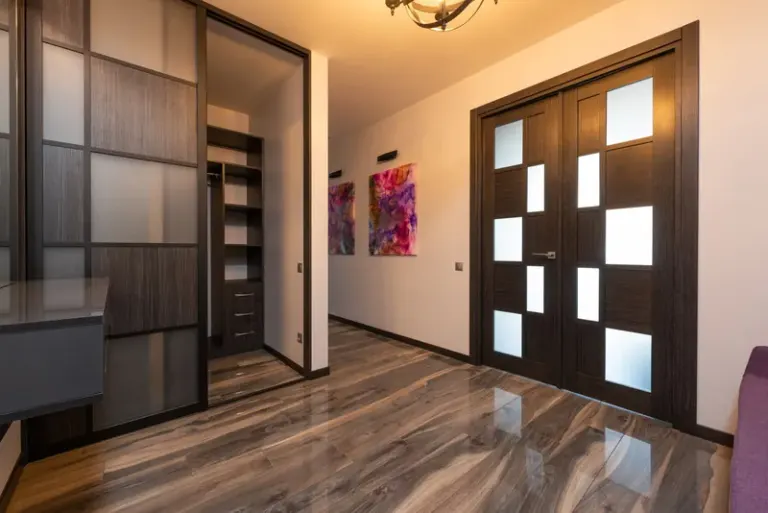
Best Mirrored Sliding Doors with Integrated Art for Small Spaces
Discover space-saving mirrored sliding doors with integrated art that open your small space, hide clutter, add style, and unlock multifunctional rooms.
Read more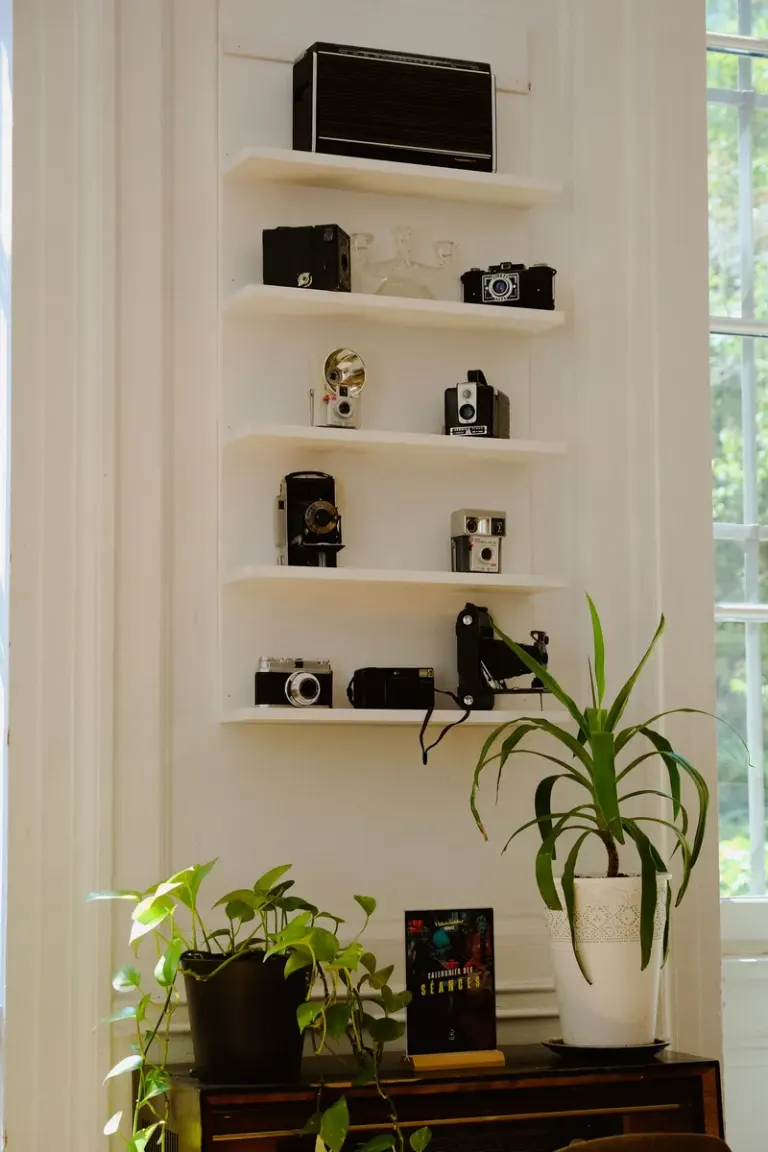
Best Magnetic Picture Ledges for Compact Living Areas
Find magnetic picture ledges that maximize vertical space in your compact living area, damage-free, reconfigurable rails to swap art, plants & essentials.
Read more
Best Hidden-Storage Wall Clocks for Apartments, Dorms & Camper Vans
Discover top hidden-storage wall clocks that double as decor and secret stash - save countertop space, hide keys, meds, remotes, and keep your apartment organized.
Read more