
Warm, Dry Floors: Underfloor Insulation for Raised Tiny Homes
Last updated By Maya Bennett
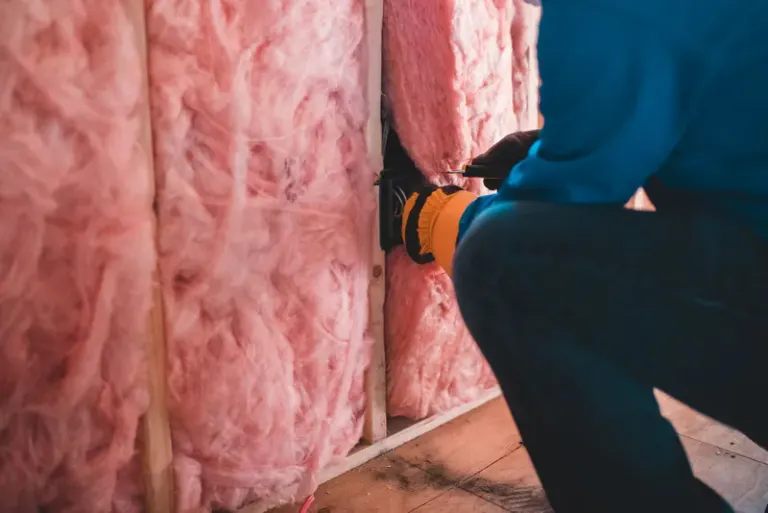
I'll be honest. The first winter I spent in a raised tiny home I treated chilly floors like a personal failing. I blamed the rug, the heater, even my wardrobe choices. The truth was less dramatic: the empty space under my floor was stealing heat and holding moisture. Cold, clammy floors made rooms feel smaller, furniture feel awkward, and mornings less welcoming. Once I started treating the underfloor as part of the living space, everything shifted-light looked better, rugs behaved, and barefoot mornings actually felt pleasant.
Key takeaways
- Why the Space Beneath Your Floor Deserves Attention
- How to Inspect the Crawlspace: A Practical Checklist
- Choosing Insulation: Materials, R-Values, and Space-Savvy Choices
- Ventilation and Moisture Control: Keep Mold and Dampness Out
In this post you'll get space-smart, hands-on strategies to stop cold floors, keep mold out, and make the cavity under your raised tiny home work for you. We’ll cover five things: why underfloor insulation matters, how to inspect the crawlspace, what insulation and R-values fit tiny footprints, how to manage ventilation and moisture, and sensible installation plus upkeep. Expect practical trade-offs, honest pros and cons, and tips that respect tight headroom and multiuse layouts.
I write like a designer who loves tools. You’ll get tactile, visual guidance, checklists you can actually use, and maintenance rhythms that protect both comfort and the clean visual lines you want in a small space. I’ll share a few candid missteps too, because I learned more from what failed than what worked. Read on for things you can try this weekend, or plan into your next build.
Why the Space Beneath Your Floor Deserves Attention
I'll admit I used to ignore the crawlspace because it was out of sight and inconvenient. Then one morning I walked barefoot and the floor felt like an ice rink. It hit me how much the underfloor sets the tone for the whole tiny home. What happens under the floor affects comfort, energy bills, structural health, and even how big your rooms feel. Cold floors pull heat out of the living space and make furniture feel disconnected.
Underfloor insulation matters because it controls heat flow and moisture at the line where your building meets the ground. Poor insulation or ventilation lets warm air escape and cold air pool, which creates condensation and the perfect conditions for mold. From a design point of view, warm floors expand your palette. You can choose lighter woods, sleeker rugs, and lower-profile furnishings that enhance visual flow and make the space feel larger. A cozy floor invites barefoot living, and barefoot living makes tiny spaces feel private and roomy.
Here I’ll lay out the main reasons to prioritize the underfloor before you pick products. You’ll see how thermal bridging, air leaks, and moisture interact in small envelopes, and why fixing them early saves money and time later. Also, not every quick fix is a good fix. Some products mask problems and make them worse. Knowing why you’re doing the work helps you keep light, flow, and multiuse function intact.
Comfort and the feeling of space
Warm floors change how a room reads. When your feet meet a temperate surface, the whole tiny home feels calmer and more spacious. Think of it like lighting: even temperatures make the square footage feel larger. Insulating under the floor reduces cold spots and drafts that force you to shove furniture against walls or pile rugs in corridors. Tip: walk your layout barefoot on a cool morning and mark the coldest spots with painter’s tape. Those zones usually determine furniture placement and the visual flow of the room.
Moisture control and long-term health
The cavity beneath a raised tiny home is its own little climate. Left alone it can collect damp, feed mold, and rot the finishes you chose to make the interior bright and airy. Proper underfloor work interrupts that cycle. When moisture is controlled, paint stays put, wood tones stay true, and textiles keep their loft. Quick check: look for dark staining on joists or a faint musty smell near skirting boards. Those are early warning signs. A small, targeted repair now prevents a disruptive, expensive overhaul later.
Energy use and everyday comfort
Insulating under the floor makes heaters run less and respond faster. That frees up design choices: lower-profile radiators, storage benches that actually hold heat, or a cozy window seat that doesn’t act like a chimney. Prioritize sealing gaps and adding a continuous layer where you can, rather than patching isolated spots. That approach gives more predictable warmth and cuts the need for bulky secondary heaters that clutter a small space.
Structural protection and multifunctional opportunity
Underfloor insulation does more than keep you warm. It protects structure and makes the area beneath usable for pipes, seasonal storage, or tucked-away systems. With a bit of planning you can create shallow, organized storage that preserves headroom and keeps sightlines clean above. Small tangent: I once used camping foam panels temporarily under a workbench while testing a layout. It wasn’t a long-term fix, but it taught me exactly where I wanted permanent insulation and storage to sit.
Bottom line: treating the hidden layer thoughtfully changes how the whole tiny home behaves. It keeps things intentional, brighter, and more livable.
How to Inspect the Crawlspace: A Practical Checklist
Here’s a less-than-glamorous memory. I crawled under my tiny home with a headlamp, a camera, and too much optimism. Within minutes I had a list: smells, stains, and a joist that was sagging. Inspection isn’t heroic. It’s deliberate. A good look below the floor tells you whether you need a quick repair, a full retrofit, or just better moisture control.
Problems below often begin as subtle signs inside: cold patches, musty smells, uneven floors, or damp rugs. A few basic tools-flashlight or headlamp, moisture meter, camera, tape measure-are enough to prioritize next steps and estimate costs.
Below is a room-by-room and joist-by-joist approach. You’ll learn to spot red flags like black staining, efflorescence, wet or compressed insulation, exposed plumbing joints, and blocked vents. I’ll also show how to document findings, estimate R-value shortfalls, and decide when to call a pro. Inspecting first keeps you from wasting money on insulation that will fail if moisture persists.
Inspect & identify issues
Think of this as a detective walk under the floor. Plan for a dry day, bring good light, and wear basic safety gear: gloves, dust mask, kneepads. If the skirting is removable, take it off so you have clearer access. Photograph as you go. Pictures make comparison later much easier.
What to prepare and where to begin
Start in one corner and move methodically across the underside. Look up at the subfloor and down at the ground. Shine your light across joists to reveal texture and shadows. If you have an infrared thermometer or a cheap thermal camera attachment, bring it. Those tools highlight cold spots and thermal bridges you might not feel yet.
Signs that need attention
Check insulation for sagging or compression. When insulation is squashed it loses most of its R-value. Look for discoloration, fuzzy or powdery growths, and salt-like crusts on masonry. Tap joists with a gloved hand. A dull, hollow sound or soft spots mean decay. Corroded metal fasteners point to long-term moisture exposure.
Listen and smell. You might hear a draft or hear air moving where it shouldn’t. A damp, sour odor is a clear sign. Inspect pipes and ducts. Even a tiny leak shows up as mineral streaks, wet insulation, or puddles after rain.
Watch for critters. Nests, droppings, chewed materials, or insect galleries can displace insulation and create new moisture pathways.
Quick tests you can do
Walk the interior barefoot or in socks on a cool morning and mark the coldest tiles or boards with painter’s tape. Then stand above those marks and check the matching spots below. Use an infrared thermometer to confirm temperature differences. Press on suspect wood; if it compresses or flakes, note it for repair.
If you find wet insulation, damp soil, or active leaks, treat those as immediate priorities. Small holes around service penetrations can usually be sealed with expanding foam or the right caulk to reduce drafts quickly.
How to prioritize fixes
Fix active water and pest entry first. Next deal with structural rot and sagging insulation. Temporary measures like dry rigid panels or a vapor-retardant sheet can make the space livable while you plan permanent repairs. For any structural concerns or widespread mold, get professional help. A tidy, dry underfloor keeps the interior feeling warm and visually clean.
Choosing Insulation: Materials, R-Values, and Space-Savvy Choices
Confession. I once bought the cheapest insulation that fit and regretted it fast. It compressed, trapped moisture, and did little to warm the floor. Tiny homes have special constraints: shallow cavities, exposed edges, and a need to avoid bulk that eats into storage or complicates systems. Choosing the right insulation means matching thermal performance, moisture tolerance, and profile to your build.
Below I compare the practical options for raised tiny homes. Expect straight talk about rigid foam panels (polyiso, XPS, EPS), closed-cell spray foam, mineral wool, and fiberglass batts, plus reflective options for some climates. I’ll explain R-value per inch, why closed-cell can act as an air and moisture barrier, and the cost and environmental trade-offs.
You’ll also get guidance on balancing thickness and performance. If depth is tight, a higher R-per-inch product is worth it. We’ll cover the pitfalls of compressible or loose materials that will sag or trap moisture. Fire ratings, vapour compatibility with subfloor materials, and thermal bridging at joists are part of the decision framework. Finally, I’ll help you calculate a realistic R-target for your climate and show when air sealing matters more than a tiny R bump.
Understanding R-values and realistic targets
R-value measures resistance to heat flow. Higher is better, but real-world details matter more than a single number. For raised tiny homes, aim for practical targets:
- Mild climates: R-10 to R-13
- Temperate climates: R-13 to R-19
- Cold climates: R-19 to R-30+
Check local code and balance thickness against headroom and storage. Remember, thermal bridging through joists and air leaks will cut your effective R-value. A thin continuous layer of foam under the joists often improves real-world performance more than stuffing cavities.
Material options and trade-offs
Fiberglass or mineral wool batts. Cheap and DIY friendly. Good R per dollar if you have deep, dry joists. They compress easily and lose value when wet, so avoid them in damp spots.
Rigid foam panels (polyiso, XPS, EPS). High R per inch; polyiso often gives the best R/inch. Great for adding a continuous layer under joists to reduce thermal bridging. Cut panels to fit tightly and tape seams for a vapor-aware barrier.
Spray foam (closed-cell). Excellent air sealing and high R per inch, and it acts as a moisture retarder. Great for shallow or irregular cavities. Usually needs professional application and is pricier.
Reflective foil. Helps only when paired with an air gap. Useful as a supplemental radiant barrier, but not a standalone fix in most humid climates.
When choosing, weigh moisture tolerance, compressibility, fire rules, cost, and pest resistance. In damp-prone underfloors avoid materials that absorb water.
Installation strategies for small footprints
Prioritize a continuous layer under joists to interrupt thermal bridges. If joist depth is limited, combine cavity batts with a thin foam board beneath the joists. Seal penetrations with spray foam or gasketed fittings to stop convective heat loss. Support batts so they won’t sag, using netting or wire. Tape and stagger foam seams. If you use spray foam, allow curing time and ventilate during application.
A practical check: after installation walk the floor on a cool morning. Even warmth underfoot means you nailed both R and air sealing.
Quick decision checklist
- Measure cavity depth and note moisture risk.
- Pick a target R based on your climate and depth.
- Choose material: batts for deep, dry cavities; rigid foam for a continuous layer; spray foam for shallow or irregular spaces.
- Plan for airtight details and taped seams.
- Protect or cover insulation per fire and moisture requirements.
Insulate smart, not just thicker. In tiny homes, airtight details and smart placement give more comfort and cleaner lines than piling on bulk.
Ventilation and Moisture Control: Keep Mold and Dampness Out
I’ll be frank. A tiny home that smells fresh is a joy. One that smells damp ruins afternoon light and cozy mornings. Moisture and poor ventilation are the root of many underfloor issues. Left unchecked they accelerate rot, invite mold, and make insulation useless. Ventilation and moisture control are not optional.
There are two main approaches: a ventilated crawlspace and a conditioned or encapsulated crawlspace. Passive vents can work in some dry climates, but blocked vents, cold air infiltration, and ground moisture often undo their benefit. Encapsulation paired with dehumidification and tight air sealing usually gives the most consistent results, but it needs attention to drainage and serviceability.
Practical steps include installing a continuous ground vapour barrier, routing plumbing to avoid leaks beneath living areas, directing rainwater away from the foundation, and using mechanical ventilation or a dehumidifier when needed. Positioning vents, intake and exhaust, and the possible role of heat recovery in an energy-conscious tiny home also matter. The aim is to protect insulation, preserve light finishes above, and keep the tiny home feeling clean and dry.
Ventilation principles for tiny raised homes
Good ventilation controls humidity without blowing your heating bill. Condensation forms when warm, moist air meets cooler underfloor surfaces. The goal is to keep the underfloor air dry and moving gently, not to create a wind tunnel. That means choosing either a sealed envelope plus managed air, or a simple, well-designed passive system depending on your climate and energy goals. Both approaches protect finishes and keep your tiny home feeling bright rather than heavy and damp.
Practical steps you can take this weekend
Start with visible basics. Make sure skirting panels fit snugly to the ground and screen any vents to keep pests out. Clear vegetation and mulch away from the perimeter so air flows and water drains. If the soil under the home traps moisture, add a thin layer of clean gravel as a capillary break and slope it away from structural members.
Install two small vents on opposite sides to encourage gentle crossflow. Place one low and one slightly higher to use natural convection. Pick vents you can close seasonally or screen, and seal obvious gaps at service penetrations with expanding foam or gaskets so indoor humidity doesn’t chase under the floor and condense on cold joists.
Insulate and wrap any pipes that run beneath the floor. Cold metal pipes draw moisture and condense; a thin foam sleeve stops that and prevents drip stains above.
Mechanical options for tight builds
If you live somewhere humid or want steady control, add a small inline fan or a humidity-controlled exhaust fan tied to a sensor. A modest intermittent fan costs little to run and stabilizes relative humidity. For fully sealed underfloors, a compact dehumidifier sized to the crawlspace volume prevents moisture buildup. Choose units with an automatic drain or use a condensate pump if gravity drainage isn’t available.
If energy efficiency is a priority, consider encapsulation. Sealing the cavity and treating it like part of the conditioned envelope often outperforms passive venting. This requires a continuous air barrier, taped seams, and either controlled conditioned air or a small dehumidifier to keep things dry.
Maintenance and simple monitoring
Put a hygrometer under the floor and aim for relative humidity consistently below 60 percent. Check vents and skirting every few months. Make clearing debris and checking pipe insulation part of your seasonal routine. If you find persistent wet spots, musty smells, or mold, call a professional. Small fixes preserve the light finishes you chose and keep the tiny home feeling like a bright, barefoot-friendly space.
Installation and Upkeep: Steps, Tools, and a Maintenance Rhythm
I underestimated how long a retrofit would take and learned to respect planning. Installing underfloor insulation in a tiny home rewards careful measuring, staged work, and simple tools. Below is a practical workflow that respects tight access and keeps your interior looking and functioning the way you intended.
You’ll get a clear sequence: prepare and repair joists, fix plumbing or structural issues, choose the insulation system, add a ground vapour barrier if needed, install insulation with fastening and air sealing, and then restore access and finish details. I’ll call out safety gear and when to pause and consult a pro, especially for spray foam or any structural fix.
Maintenance keeps things working. I’ll give a realistic inspection cadence, what to look for each season, and small interventions that prevent big failures. A little routine care keeps the underfloor tidy, dry, and useful without stealing headroom or complicating your layout.
Pre-install checklist
Tools and materials to have ready: headlamp, work gloves, utility knife, straightedge, tape measure, expanding foam, construction tape, thin-gauge wire or netting for supports, rigid foam panels or batts, ground vapor sheet if needed, screws and washers, and a small cordless drill. Wear a mask when cutting materials and avoid working in very humid or wet conditions.
Installation sequence (concise, sensible steps)
- Clear and level. Remove debris, trim vegetation, and smooth any high spots so insulation sits evenly. A thin layer of clean gravel helps if the soil is damp.
- Lay a ground sheet where soil is exposed. Tape seams so the ground stays drier and dust-free.
- Seal service penetrations. Foam or gasket any pipe and wire entries before installing insulation to stop convective airflow that will short-circuit your work.
- Fit cavity insulation. For batts, cut slightly oversized pieces for a snug fit and support them with wire or netting so they do not sag. For rigid panels, cut to nest between or beneath joists and tape seams to form a continuous layer.
- Add a continuous layer if possible. A thin foam under the joists reduces thermal bridging and creates a tidy visual line when you look up from below. Fasten securely with screws and washers.
- Protect exposed edges. Where insulation meets skirting or storage, cover raw edges with thin plywood or metal flashing to stop pests and keep things tidy. Leave removable access sections where you know systems are likely to need service.
Upkeep rhythm that actually fits tiny living
- Monthly: Walk the perimeter. Check for gaps, animal access, and pooled water after storms. Wipe up small drips and reseat any loose skirting panels.
- Quarterly: Inspect insulation supports and taped seams. Verify pipe insulation is intact.
- Seasonally: Before heating season, run a hygrometer check under the floor and compare to an interior reading. Close or adjust vents if you use seasonal venting.
- Annually: Lift an access panel and do a full check for soft wood, mold, or persistent damp spots. Replace any compromised insulation and retape seams.
Quick fixes and troubleshooting
If insulation has sagged, push it back and add extra wire supports. Small wet patches usually come from leaks; trace plumbing and repair, then replace wetted insulation. For pest holes, close the access and add hardware cloth before restoring finishes.
A small, honest note. I left one skirting screw loose all winter and learned the hard way that a tiny gap invites a big draft. Tighten the small things. They make mornings feel warmer and the interior look tidier.
Wrapping Up
Underfloor insulation is not optional. It shapes comfort, energy use, and the way your tiny home reads visually. We covered why the space beneath your floor matters, how to inspect and identify issues, which insulation materials and realistic R-targets work in tight cavities, ventilation and moisture-control strategies, and a sensible installation and upkeep rhythm. Warm, dry floors expand your flooring and layout choices, preserve light finishes, and make barefoot mornings and flexible furniture arrangements feel intentional rather than improvised.
The best solution is the one that matches your climate, cavity depth, and how much maintenance you want to do. If headroom is tight, pick high R-per-inch products like polyiso or closed-cell spray foam, or pair cavity batts with a thin continuous foam layer under joists to stop thermal bridging. In deep, dry joists batts or mineral wool are cost-effective. In humid settings consider encapsulation plus a small dehumidifier instead of relying on passive vents. Seal every penetration and tape seams. My preference for tiny builds is to favor airtight details and a continuous layer before piling on thickness. That choice pays off in real warmth and cleaner visual lines under the floor.
Here’s what to do next, in order. This weekend walk your layout barefoot on a cool morning and mark the coldest spots. Remove one skirting panel, shine a flashlight underneath, photograph what you find, and note sagging or wet insulation, stains, or exposed pipes. Use an infrared thermometer or a cheap thermal camera attachment to confirm thermal bridges. Stop water and pest entry first, then pick insulation that fits your measured cavity and R-target (mild climates R-10 to R-13, temperate R-13 to R-19, cold R-19+). Install a ground vapor barrier if soil is exposed, seal penetrations with expanding foam, and consider a small mechanical dehumidifier or controlled vents if humidity is persistent.
Maintenance keeps the design wins. Monitor humidity with a hygrometer under the floor, check skirting and taped seams monthly, inspect insulation supports quarterly, and do a full access check before heating season. Re-tuck or add wire supports if batts sag, replace wet insulation promptly, and keep pipe sleeves intact. These small routines protect the finishes and bright, airy feeling you worked to create. Warm floors let you choose thinner rugs, lower-profile storage benches, and sleeker furniture placement that make the whole home feel larger and more cohesive.
Take one small action now. Pick either a barefoot survey, a skirting-panel inspection, or buy a hygrometer and commit 90 minutes this weekend. Share a photo or a question in the comments and tell me your climate and cavity depth. I’ll help you narrow material choices and an R-target that fits your tiny home and lifestyle. Protecting the hidden space under your floor pays dividends in comfort, longevity, and the calm, airy interiors you love to live in.
Related product reviews

Best Fold-Up Balcony Seats with Infrared Heaters for Studios
A fold-up wall seat and a separate infrared heater keep a studio balcony seat usable into the cold. Compare four picks on folded depth, load ratings, mounting, weather exposure, and circuit needs.
Read more
Best Over-Cabinet Drying Racks for Kitchens, RVs & Camper Vans
Find over-cabinet drying racks that free countertops, boost vertical drying, and add multi-use storage for kitchens, RVs, camper vans and studio living.
Read more